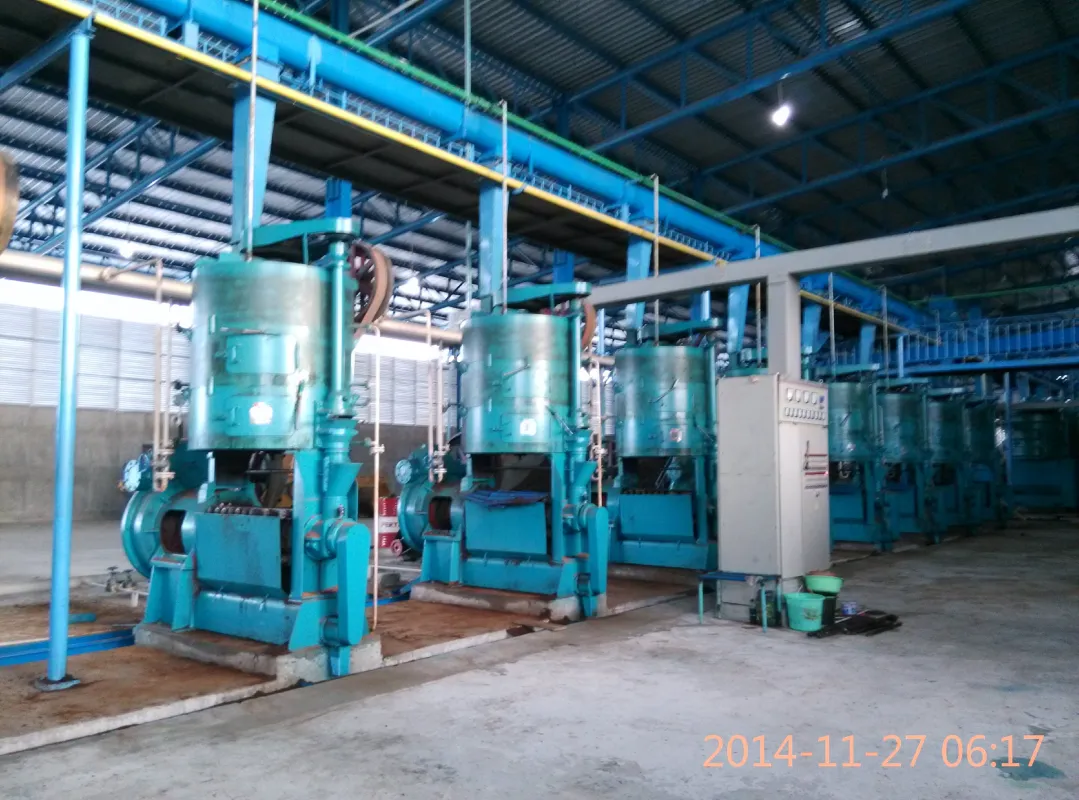
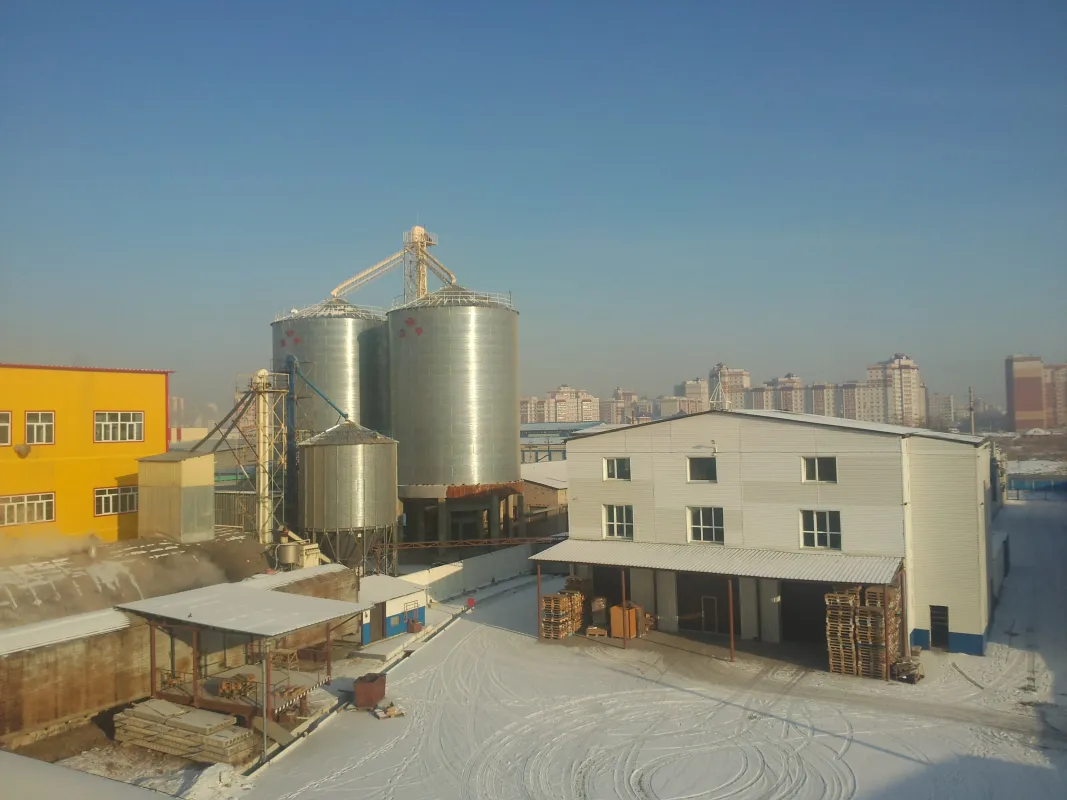
In the palm oil processing industry, equipment downtime can result in production losses averaging $5,000 to $15,000 per hour, depending on plant capacity. A recent industry survey indicates that 68% of unplanned shutdowns in palm oil mills are caused by preventable equipment failures. This article explores practical solutions to enhance equipment stability and production efficiency by addressing three critical issues: filtration blockages, low degumming efficiency, and steam pressure fluctuations.
Filtration blockages are responsible for approximately 32% of processing interruptions in palm oil mills. These blockages typically occur due to three primary factors:
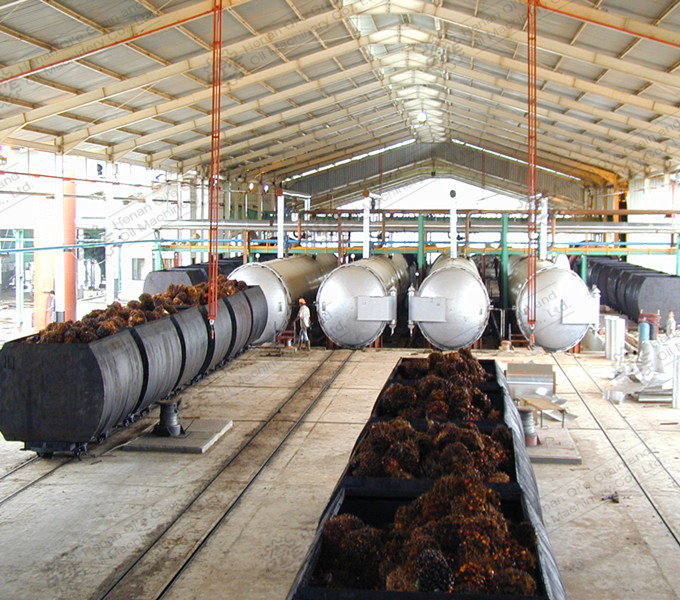
**Expert Insight:** "Implementing a dual-stage filtration pre-treatment can reduce blockages by up to 47%," notes Johnathan Tan, Senior Process Engineer with 15 years of experience in Southeast Asian palm oil facilities. "We've achieved significant improvements by combining a 40-micron pre-filter with automated backwashing cycles every 2 hours."
Preventive measures include:
Low degumming efficiency directly impacts oil quality and can result in refining losses exceeding 3.5%. Key indicators of degumming issues include phosphorus levels above 15 ppm in the refined oil and increased soap formation during neutralization.
| Degumming Parameter | Optimal Range | Common Issue Range | Efficiency Impact |
|---|---|---|---|
| Temperature | 80-85°C | Below 75°C or above 90°C | 15-22% efficiency loss |
| Acid Addition | 0.15-0.25% | Outside 0.10-0.30% range | 10-18% efficiency loss |
| Mixing Speed | 600-800 RPM | Below 400 or above 1000 RPM | 8-15% efficiency loss |
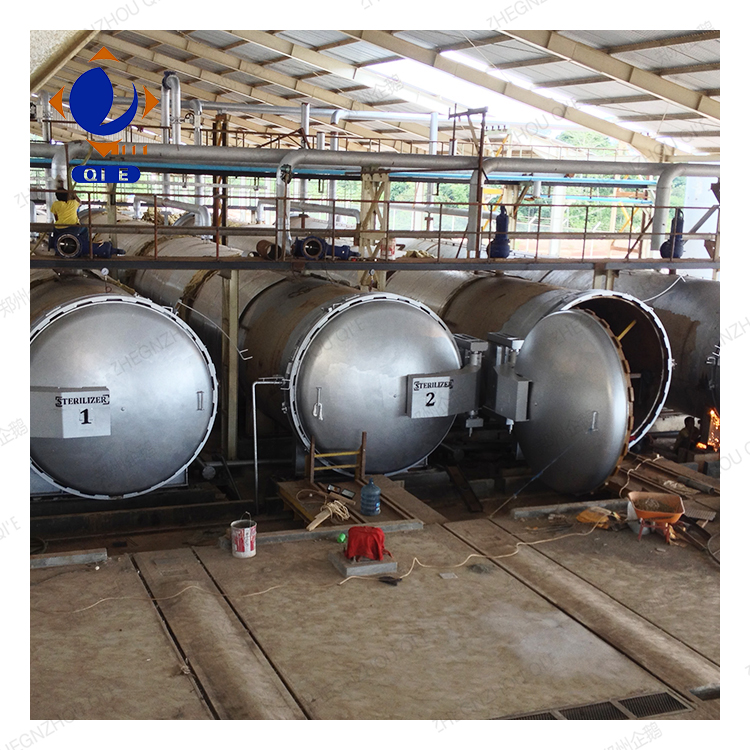
Modern degumming systems equipped with automated process control can maintain efficiency levels above 95% consistently. The integration of inline quality analyzers allows for real-time adjustments, reducing manual intervention and errors by up to 65%.
Steam pressure instability is a critical issue affecting overall plant efficiency, with fluctuations greater than ±0.5 bar leading to production losses of 8-12%. These fluctuations directly impact:
Advanced steam management systems incorporating predictive algorithms can reduce pressure fluctuations to within ±0.2 bar, significantly improving process stability. These systems utilize historical data analysis to anticipate demand spikes and adjust boiler output accordingly.

**Case Study:** A large-scale palm oil mill in Malaysia reduced steam-related downtime by 78% after implementing a remote monitoring system that provided real-time pressure data and automated adjustment capabilities. The investment resulted in an ROI of 14 months through reduced energy costs and increased production output.
Discover how 企鹅集团 (Penguin Group) can help you implement advanced monitoring and maintenance solutions that reduce downtime by up to 65% while improving overall production efficiency.
Request Your Custom Palm Oil Line AssessmentQ: How often should we calibrate pressure sensors in our steam system?
A: For optimal performance, calibration should be performed every 3 months under normal operating conditions. In environments with high humidity or vibration, consider a 2-month interval.
Q: What's the most cost-effective way to reduce filtration blockages?
A: Implementing a pre-filtration stage with automatic backwashing typically provides the highest ROI, reducing filter media replacement costs by 40-50% while minimizing downtime.
Q: Can remote monitoring really reduce maintenance costs?
A: Yes, studies show that predictive maintenance enabled by remote monitoring reduces maintenance costs by 25-30% and extends equipment lifespan by an average of 12-18%.
By implementing these preventive strategies and leveraging modern monitoring technologies, palm oil producers can significantly enhance operational efficiency, reduce costs, and improve product quality. The key is to establish a proactive maintenance culture combined with the right technological tools to address issues before they lead to production interruptions.
 modular canola oil production line
edible oil processing equipment
rapid commissioning oil plant
flexible capacity oil refinery
automated canola oil machinery
rice bran oil refining equipment international certification
export-oriented equipment selection
food safety management equipment standards
energy-efficient rice bran oil processing equipment
international quality standard machinery
automated rice bran oil refining
rice bran oil purity improvement
food safety in oil processing
critical control point management
online oil quality monitoring
Rice bran oil refining equipment international certification
Export-oriented enterprise equipment selection
FDA food equipment sealing standards
Food safety management equipment specifications
Southeast Asian edible oil equipment cases
automated grinding and pressing equipment
oil mill equipment selection
corrosion resistant materials
mechanical stability
oil production line efficiency
modular canola oil production line
edible oil processing equipment
rapid commissioning oil plant
flexible capacity oil refinery
automated canola oil machinery
rice bran oil refining equipment international certification
export-oriented equipment selection
food safety management equipment standards
energy-efficient rice bran oil processing equipment
international quality standard machinery
automated rice bran oil refining
rice bran oil purity improvement
food safety in oil processing
critical control point management
online oil quality monitoring
Rice bran oil refining equipment international certification
Export-oriented enterprise equipment selection
FDA food equipment sealing standards
Food safety management equipment specifications
Southeast Asian edible oil equipment cases
automated grinding and pressing equipment
oil mill equipment selection
corrosion resistant materials
mechanical stability
oil production line efficiency





.png?x-oss-process=image/resize,h_100,m_lfit/format,webp)
.png?x-oss-process=image/resize,h_100,m_lfit/format,webp)
.png?x-oss-process=image/resize,h_100,m_lfit/format,webp)