In an era where sustainable production has become a critical competitive advantage, palm oil processing plants worldwide are seeking effective ways to reduce energy costs while meeting increasingly stringent environmental regulations. The implementation of heat recovery systems represents one of the most impactful strategies, offering average energy savings of 25-35% in mature installations, according to industry studies by the International Palm Oil Sustainability Council.
"Energy costs typically account for 18-22% of total operational expenses in palm oil mills. Heat recovery systems not only deliver rapid ROI—usually within 18-24 months—but also significantly enhance compliance with EU REACH and ISO 14001 standards." — Dr. James Wilson, Energy Efficiency Specialist at the Sustainable Palm Oil Roundtable
The fundamental principle behind heat recovery systems lies in capturing and reusing thermal energy that would otherwise be lost during various stages of palm oil production. In a typical palm oil mill, approximately 40% of energy input is traditionally wasted through exhaust gases, steam condensation, and heated wastewater.
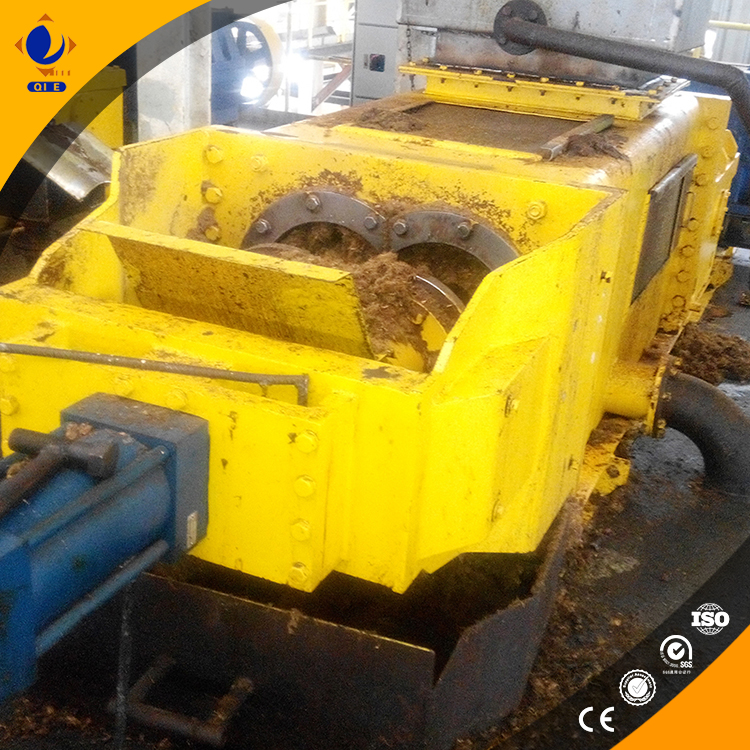
These systems operate through three primary mechanisms:
Different stages of palm oil processing offer unique opportunities for heat recovery implementation:
Heat recovery from sterilizer exhaust can preheat incoming palm fruit bunches, reducing primary heating requirements by 30-35%. Installing economizers on press discharge can recover an additional 10-15% of energy.
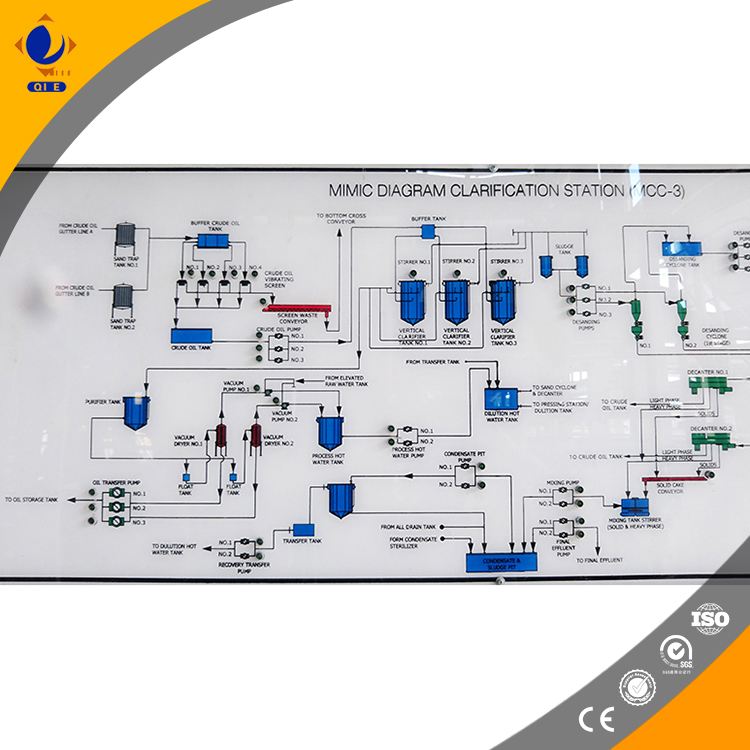
Heat exchangers in the clarification stage can recover heat from the oil-water mixture, reducing the energy needed for subsequent drying processes by approximately 25%.
Heat recovery systems in deodorization and fractionation processes typically achieve the highest efficiency gains, often reducing energy consumption by 35-40% in these energy-intensive stages.
The implementation strategy for heat recovery systems varies significantly based on mill size, with different configurations offering optimal returns:

A mid-sized mill (processing 60 tons FFB/hour) implemented a comprehensive heat recovery system including economizers, condensate recovery, and thermal storage. The results after 12 months of operation included:
Plant Manager Comment: "The integration with our existing control system was seamless, and the intelligent temperature control modules have maintained stable processing conditions despite fluctuating raw material quality."
Successful heat recovery implementation requires careful planning and attention to operational details. Based on analysis of over 50 mill installations, the following factors significantly impact project success:
Misconception 1: "Heat recovery systems require complete production shutdown for installation."
Reality: Modern modular systems can be installed during scheduled maintenance periods, minimizing downtime to 3-5 days for most configurations.
Misconception 2: "Only large mills can benefit from heat recovery."
Reality: Small-scale mills (processing <30 tons FFB/hour) can achieve payback periods under 24 months with targeted heat recovery from pressing and sterilization stages.
Misconception 3: "Heat recovery compromises process temperature stability."
Reality: Advanced systems with PID control maintain temperature variations within ±1°C, often improving process stability compared to traditional heating methods.
Beyond energy savings, heat recovery systems play a crucial role in meeting international environmental standards. Palm oil mills equipped with such systems typically achieve:
Discover how 企鹅集团 (QIE Group)'s heat recovery solutions, backed by national patented technology and ISO 9001 quality management system, can reduce your palm oil mill's energy costs while ensuring compliance with international environmental standards.
Get Your Custom Energy Efficiency AssessmentMaintenance is critical to sustained performance. Heat recovery systems should include scheduled cleaning protocols—typically every 2-3 months for heat exchangers—to prevent fouling from palm oil residues. Monitoring differential pressure across heat exchange surfaces provides early indication of fouling buildup, allowing for proactive maintenance before efficiency drops below optimal levels.
As the palm oil industry continues to evolve under increasing sustainability pressures, heat recovery technology has transitioned from an optional upgrade to a core operational requirement. Forward-thinking mills are already leveraging these systems not only for cost savings but as a competitive advantage in accessing premium markets that demand environmentally responsible production practices.
 rapeseed oil extraction methods
cold pressed rapeseed oil
solvent extraction process
edible oil production optimization
high-value vegetable oil manufacturing
rapeseed oil extraction process
cold pressing vs solvent extraction
edible oil production technology
high - efficiency oil yield
nutrient retention process
automated rice bran oil refining
energy-efficient refining equipment
multi-stage filtration
degumming and deacidification
food safety standards
palm oil equipment maintenance
filtration blockage solutions
steam pressure stability
production line troubleshooting
remote monitoring for palm oil mills
automated rice bran oil processing
food safety standards in oil refining
critical control point management
energy-efficient oil refining equipment
consistent oil quality production
rapeseed oil extraction methods
cold pressed rapeseed oil
solvent extraction process
edible oil production optimization
high-value vegetable oil manufacturing
rapeseed oil extraction process
cold pressing vs solvent extraction
edible oil production technology
high - efficiency oil yield
nutrient retention process
automated rice bran oil refining
energy-efficient refining equipment
multi-stage filtration
degumming and deacidification
food safety standards
palm oil equipment maintenance
filtration blockage solutions
steam pressure stability
production line troubleshooting
remote monitoring for palm oil mills
automated rice bran oil processing
food safety standards in oil refining
critical control point management
energy-efficient oil refining equipment
consistent oil quality production





.png?x-oss-process=image/resize,h_100,m_lfit/format,webp)
.png?x-oss-process=image/resize,h_100,m_lfit/format,webp)
.png?x-oss-process=image/resize,h_100,m_lfit/format,webp)