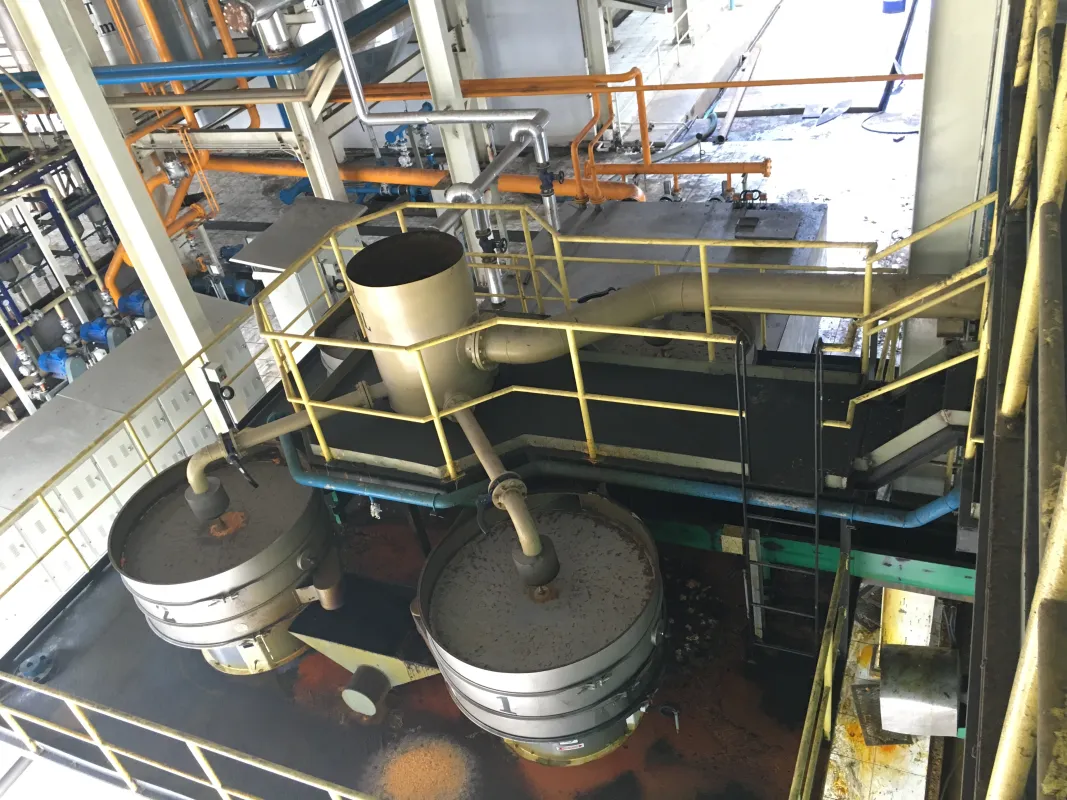
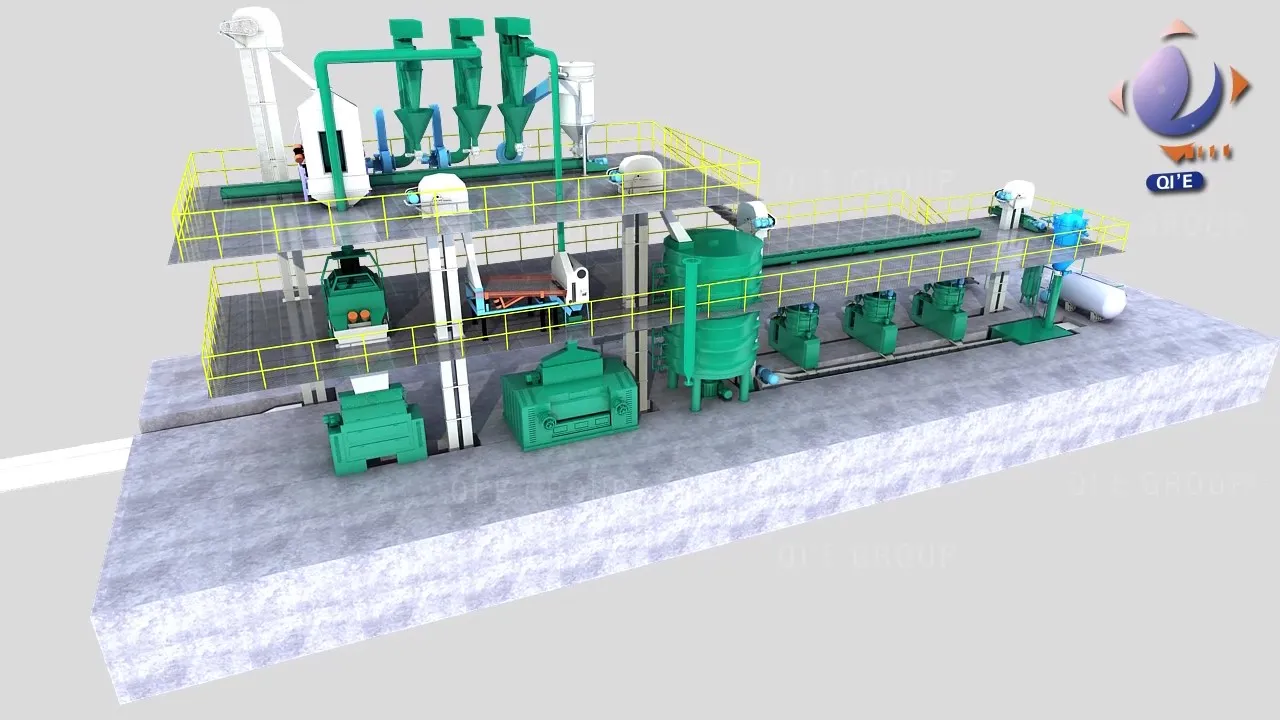
In an era where operational efficiency and environmental sustainability are no longer optional but essential, palm oil producers worldwide face the dual challenge of reducing energy costs while meeting stringent international environmental standards. The average palm oil mill consumes approximately 80-120 kWh of electricity and 2-3 tons of steam per ton of fresh fruit bunches processed, with energy costs accounting for 15-25% of total operational expenses. This article explores how QIE Group innovative energy-saving technologies are transforming the industry by addressing these critical pain points through proven, data-driven solutions.
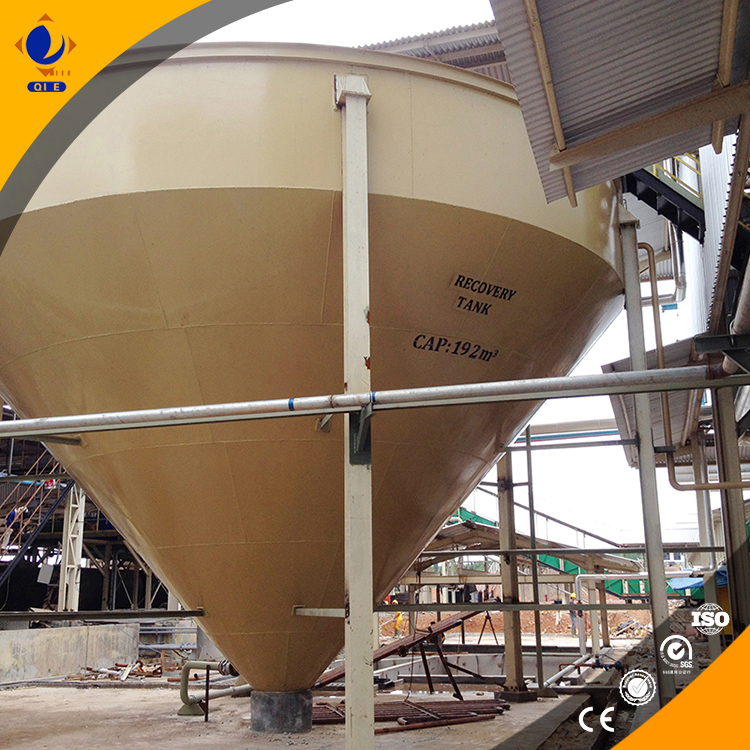
The palm oil production process inherently generates substantial waste heat, traditionally lost to the environment. Heat recovery systems act as a technological bridge, capturing this otherwise wasted energy and redirecting it to power critical production stages. QIE Group proprietary heat exchangers, developed in collaboration with Henan University of Technology, typically recover 60-75% of waste heat from sterilization and refining processes.
Expert Insight: "Modern heat recovery systems can reduce overall energy consumption by 20-30% in medium to large palm oil mills. The key is integrating multiple recovery points throughout the production chain rather than focusing on single-process optimization." — Zhang Wei, Senior Mechanical Engineer, Henan Institute of Mechanical Design
In a recent implementation at a 30-ton-per-hour mill in Malaysia, the installation of QIE Group heat recovery system resulted in annual savings of 1,240 MWh of electricity and 3,800 tons of steam, translating to approximately $186,000 in annual cost reduction while reducing carbon emissions by 850 tons annually.
Palm oil processing equipment operates under constantly changing load conditions, from empty startup to full processing capacity. Conventional fixed-speed motors waste significant energy during partial load operation. Variable Frequency Drive (VFD) technology adjusts motor speed to match actual demand, eliminating this inefficiency.
QIE Group VFD systems optimize energy use by:
A case study of a small-scale Indonesian palm oil mill (10 tons/hour) demonstrated 18-22% energy reduction in conveyor and press operations after retrofitting with QIE Group VFD systems, with payback periods averaging 14-18 months.
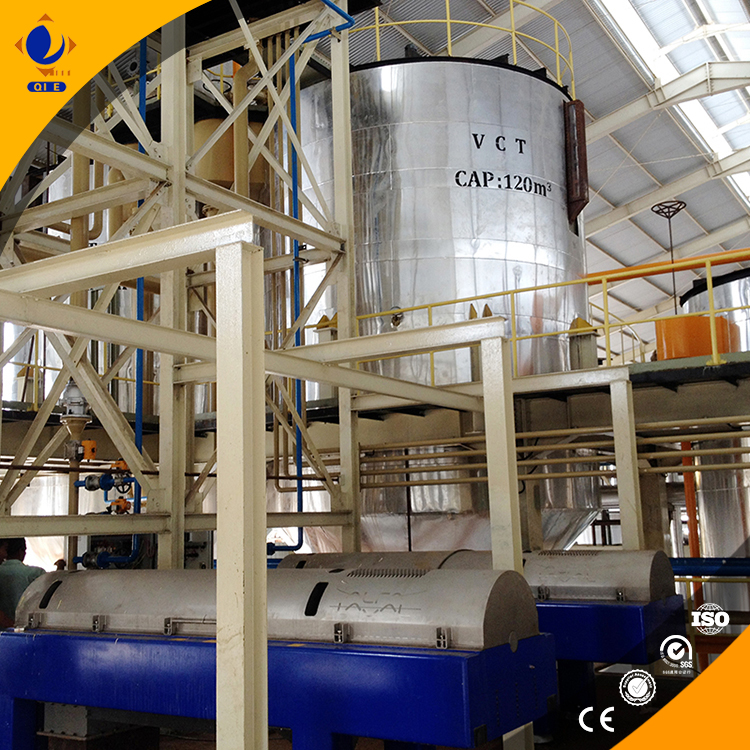
Temperature control is critical throughout palm oil processing, from sterilization to refining. Traditional systems often maintain constant temperatures regardless of process stage, leading to energy waste. Intelligent温控模块 dynamically adjust heating based on real-time process requirements, raw material characteristics, and ambient conditions.

These advanced control systems utilize machine learning algorithms to optimize temperature profiles, reducing energy consumption by 12-18% in the sterilization process alone. A medium-sized mill in Thailand reported saving 980 MWh annually after implementing QIE Group智能温控模块, while also improving oil extraction efficiency by 2.3%.
| Mill Size | Technology Implemented | Energy Reduction | Annual Savings | Payback Period |
|---|---|---|---|---|
| Small (5-15 TPH) | VFD + Basic Heat Recovery | 15-18% | $45,000 - $75,000 | 12-18 months |
| Medium (20-40 TPH) | Complete Energy Package | 22-28% | $150,000 - $280,000 | 18-24 months |
| Large (50+ TPH) | Custom Energy Solution | 25-35% | $400,000 - $750,000 | 24-30 months |
As global markets increasingly demand sustainable practices, compliance with international standards has become a business necessity rather than an environmental choice. QIE Group energy-saving technologies are designed to meet and exceed requirements for ISO 14001 environmental management systems and EU REACH regulations, ensuring seamless market access and enhanced brand reputation.
While the benefits of energy efficiency are clear, many mills make costly mistakes in implementation:
Download our comprehensive "Palm Oil Production Line Energy Optimization Guide" to discover:
Or schedule a no-obligation consultation with our energy efficiency specialists
QIE Group 20 years of experience in the粮油机械设备 industry, combined with academic partnerships and a focus on practical innovation, positions us uniquely to deliver energy-saving solutions that not only reduce operational costs but also enhance environmental performance. By implementing integrated heat recovery, variable frequency drives, and intelligent温控模块, palm oil producers can achieve significant competitive advantages in an increasingly challenging global market.
As energy costs continue to rise and environmental regulations become more stringent, the question is no longer whether to invest in energy efficiency, but how quickly you can implement these technologies to maximize your competitive advantage. The data speaks for itself – mills implementing comprehensive energy-saving solutions are seeing 15-35% reductions in energy costs while positioning themselves as leaders in sustainable palm oil production.
 fully automatic sesame oil production line
grain and oil machinery automation
sesame oil extraction efficiency
fully enclosed oil pressing equipment
customized grain and oil production lines
rapeseed oil production
oil yield improvement
nutrition preservation
cold pressing
solvent extraction
rapeseed oil extraction process
cold pressing extraction
solvent extraction
oil yield and nutrition
edible oil production line
rice bran pretreatment
impurity control in oilseed processing
moisture management in rice bran
automated grain cleaning system
energy-efficient oil extraction equipment
Fully automatic sesame oil production line
Automation of grain and oil machinery
Sesame oil production efficiency improvement
Fully enclosed production system
Customized services for grain and oil processing
fully automatic sesame oil production line
grain and oil machinery automation
sesame oil extraction efficiency
fully enclosed oil pressing equipment
customized grain and oil production lines
rapeseed oil production
oil yield improvement
nutrition preservation
cold pressing
solvent extraction
rapeseed oil extraction process
cold pressing extraction
solvent extraction
oil yield and nutrition
edible oil production line
rice bran pretreatment
impurity control in oilseed processing
moisture management in rice bran
automated grain cleaning system
energy-efficient oil extraction equipment
Fully automatic sesame oil production line
Automation of grain and oil machinery
Sesame oil production efficiency improvement
Fully enclosed production system
Customized services for grain and oil processing







.png?x-oss-process=image/resize,h_100,m_lfit/format,webp)
.png?x-oss-process=image/resize,h_100,m_lfit/format,webp)
.png?x-oss-process=image/resize,h_100,m_lfit/format,webp)