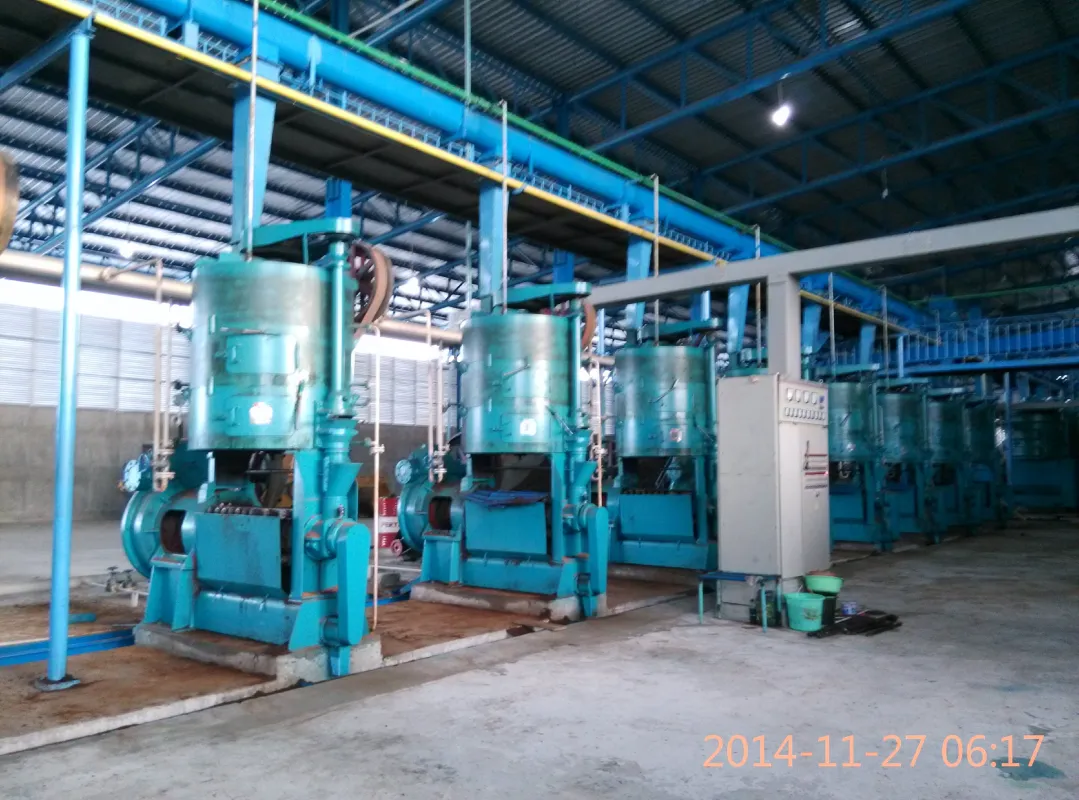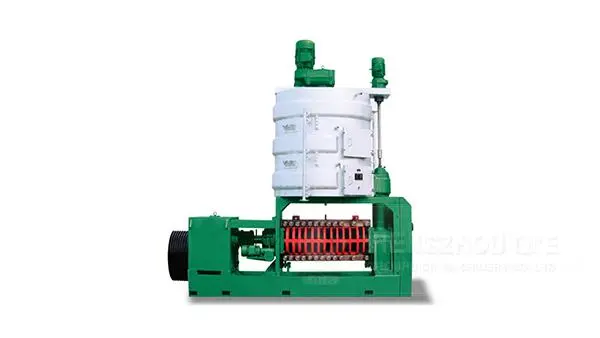
In the competitive landscape of palm oil processing, manufacturers face a dual challenge: meeting the growing global demand while navigating increasingly strict environmental regulations and rising energy costs. According to industry reports, energy consumption accounts for 15-20% of total operational expenses in palm oil mills, with conventional processing lines losing up to 30% of energy through inefficient heat management. For a medium-sized mill processing 60 tons of fresh fruit bunches (FFB) per hour, this translates to approximately $120,000 in unnecessary annual energy expenditure.
"Energy inefficiency isn't just an operational issue—it directly impacts your bottom line and market competitiveness. In today's sustainability-focused market, mills with optimized energy systems are securing better contracts and accessing premium markets." — Dr. James Wilson, Energy Efficiency Specialist, International Palm Oil Sustainability Council
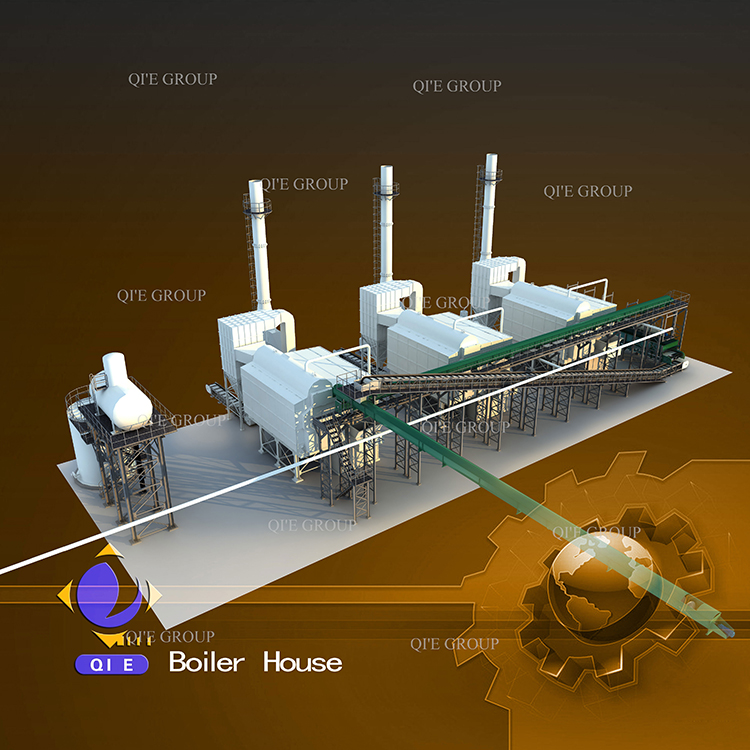
At the heart of effective energy optimization lies the heat recovery system—a technology that captures waste heat from various processing stages and repurposes it for other operational needs. Unlike traditional systems that release excess heat into the atmosphere, modern recovery systems can recapture up to 75% of this otherwise lost energy, redirecting it to power steam generation, sterilization processes, and pre-heating applications.
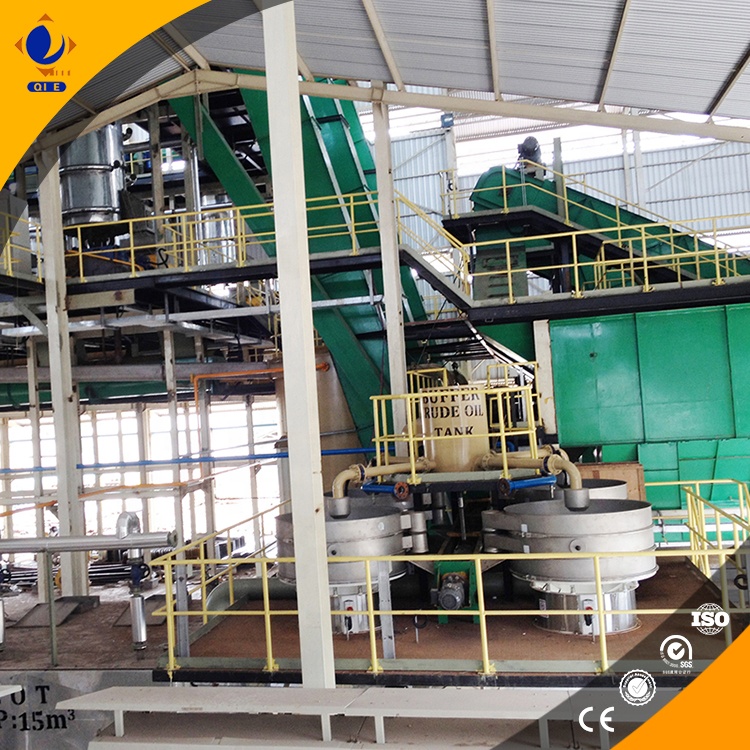
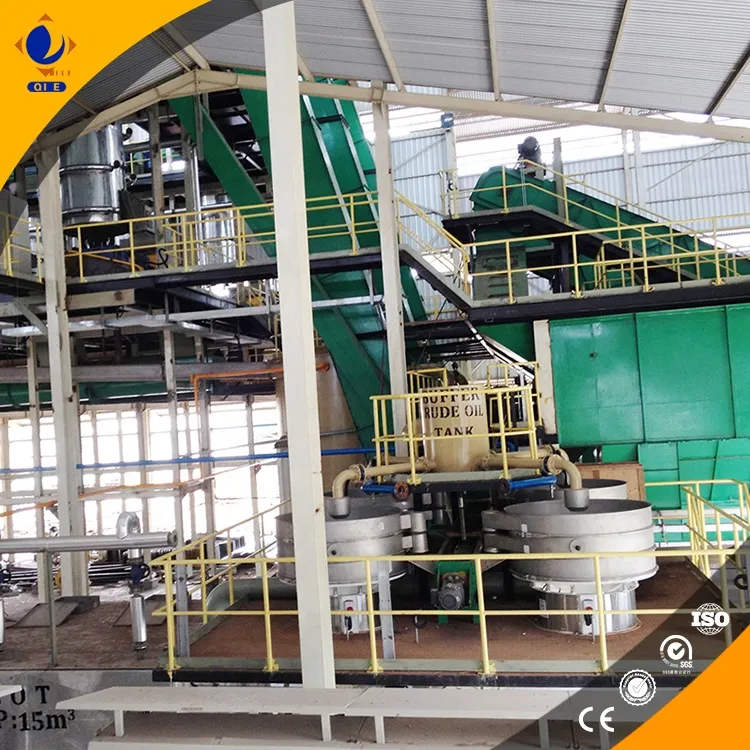
The integration of QIE Group's advanced heat exchangers and thermal storage solutions creates a closed-loop energy ecosystem. For instance, in the sterilization stage—where temperatures reach 140°C—excess heat is captured and used to pre-heat incoming water, reducing the energy required for boiler operations by an average of 28% in our case studies across Southeast Asia.
The benefits of heat recovery systems scale effectively across different mill capacities. Our analysis of 47 retrofitted mills demonstrates consistent energy reduction patterns:
| Mill Capacity (FFB/hour) | Pre-Retrofit Energy Use (kWh/ton FFB) | Post-Retrofit Energy Use (kWh/ton FFB) | Energy Reduction | Estimated Annual Savings |
|---|---|---|---|---|
| Small (10-30) | 125-140 | 85-95 | 28-32% | $35,000-$55,000 |
| Medium (30-80) | 110-130 | 70-85 | 32-35% | $85,000-$140,000 |
| Large (80+) | 95-115 | 60-75 | 35-38% | $180,000-$280,000 |
True energy optimization requires more than standalone heat recovery. When combined with variable frequency drives (VFDs) and smart temperature control modules, the energy savings multiply. VFDs adjust motor speed based on real-time demand, reducing electricity consumption by 20-40% in pump and conveyor systems. Meanwhile, AI-powered temperature controllers maintain precise thermal conditions, eliminating energy waste from overheating or inefficient cycling.
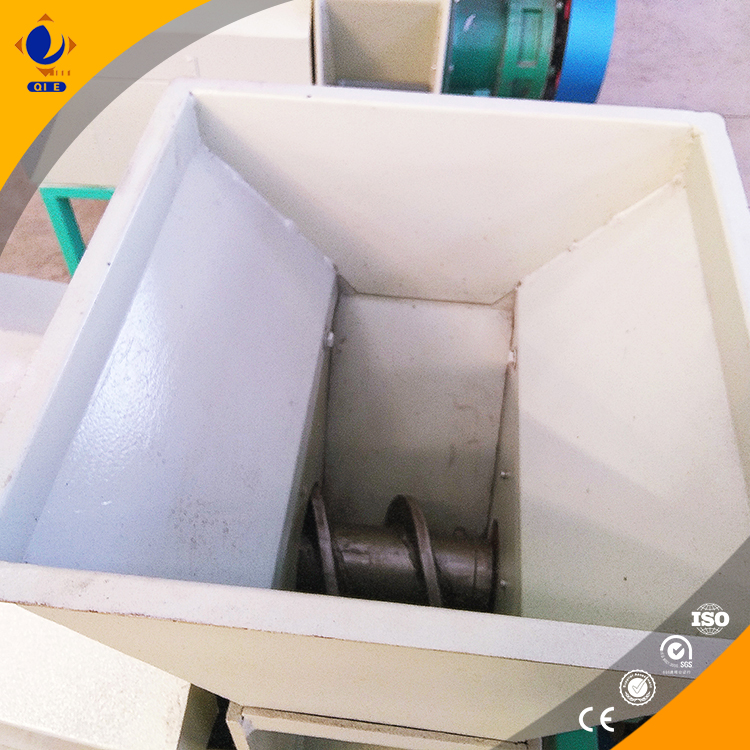
Many mill operators assume higher capacity equipment guarantees better efficiency. In reality, oversized systems often operate below optimal load, increasing energy waste by 15-20%. Modern energy optimization focuses on right-sizing equipment and implementing variable capacity systems that adjust to actual production needs.
Palm oil production inherently faces seasonal variations, with FFB supply fluctuating by up to 40% between peak and off-peak seasons. Static energy systems struggle with these changes, leading to inefficiency during low-production periods. Smart energy management systems address this challenge through:
A case study of a Malaysian mill implementing these strategies showed seasonal energy variation reduced from ±25% to ±8%, with off-season energy consumption dropping by 31% compared to conventional operations.
Today's palm oil buyers increasingly demand compliance with international environmental standards. Energy-efficient operations directly contribute to meeting EU REACH requirements and ISO 14001 certification. Beyond regulatory compliance, sustainable practices open doors to premium markets, with certified sustainable palm oil (CSPO) commanding price premiums of 5-12% in European markets.
Download our comprehensive "Palm Oil Mill Energy Optimization Guide" to discover:
Choosing the right energy optimization partner is critical to achieving sustainable results. Look for providers with proven experience across multiple mill sizes, comprehensive after-sales support, and a commitment to long-term energy monitoring. A well-designed system should deliver payback periods of 2-4 years, with ongoing energy savings for the 15-20 year lifespan of the equipment.
As the palm oil industry evolves, energy efficiency has transitioned from an optional upgrade to a business necessity. Those who act now will gain significant competitive advantage through reduced operational costs, improved environmental credentials, and enhanced market access in an increasingly sustainability-focused global marketplace.
 automated sesame oil production line
oil processing automation
closed system food safety
intelligent oil refining
ISO9001 compliant food manufacturing
automated rice bran preprocessing
rice bran oil processing equipment
energy-efficient oil extraction
industrial automation in food processing
export-oriented edible oil production
rice bran oil refining process
automated oil processing equipment
GB 2716 compliance
oil purity enhancement
food safety in edible oil production
rice bran oil packaging standards
rice bran oil storage best practices
edible oil quality control
automated rice bran oil production line
oil packaging safety measures
Fully automated sesame oil production line
Grain and oil machinery automation
Sesame oil production efficiency improvement
Fully enclosed food processing equipment
Sesame oil quality assurance
automated sesame oil production line
oil processing automation
closed system food safety
intelligent oil refining
ISO9001 compliant food manufacturing
automated rice bran preprocessing
rice bran oil processing equipment
energy-efficient oil extraction
industrial automation in food processing
export-oriented edible oil production
rice bran oil refining process
automated oil processing equipment
GB 2716 compliance
oil purity enhancement
food safety in edible oil production
rice bran oil packaging standards
rice bran oil storage best practices
edible oil quality control
automated rice bran oil production line
oil packaging safety measures
Fully automated sesame oil production line
Grain and oil machinery automation
Sesame oil production efficiency improvement
Fully enclosed food processing equipment
Sesame oil quality assurance







.png?x-oss-process=image/resize,h_100,m_lfit/format,webp)
.png?x-oss-process=image/resize,h_100,m_lfit/format,webp)
.png?x-oss-process=image/resize,h_100,m_lfit/format,webp)