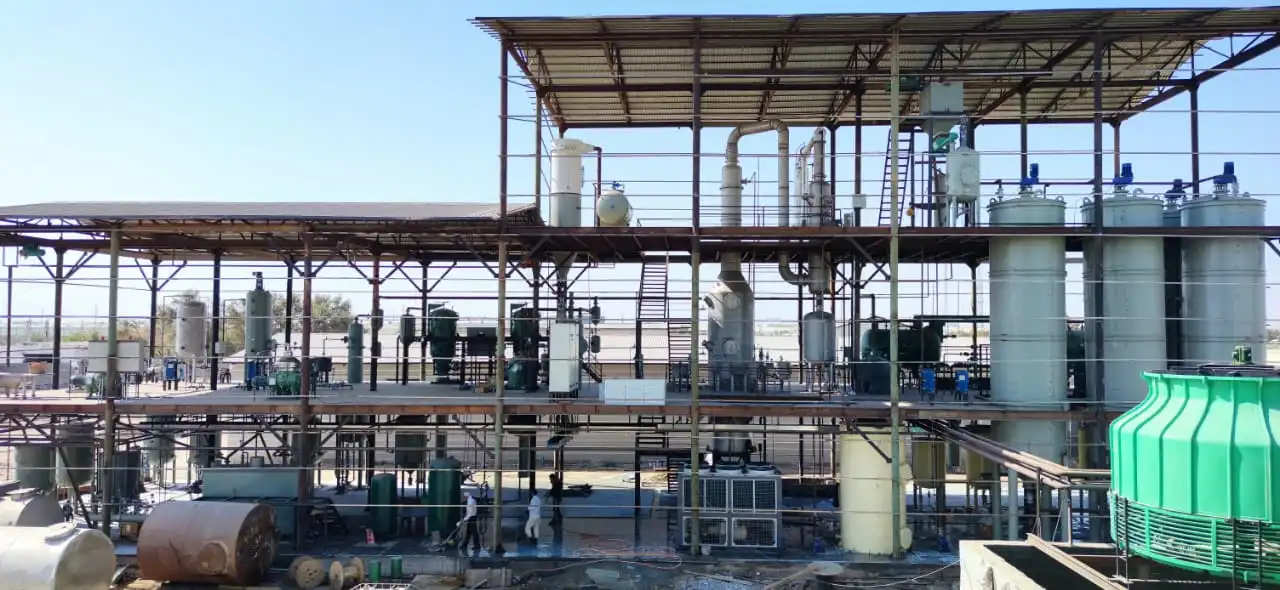
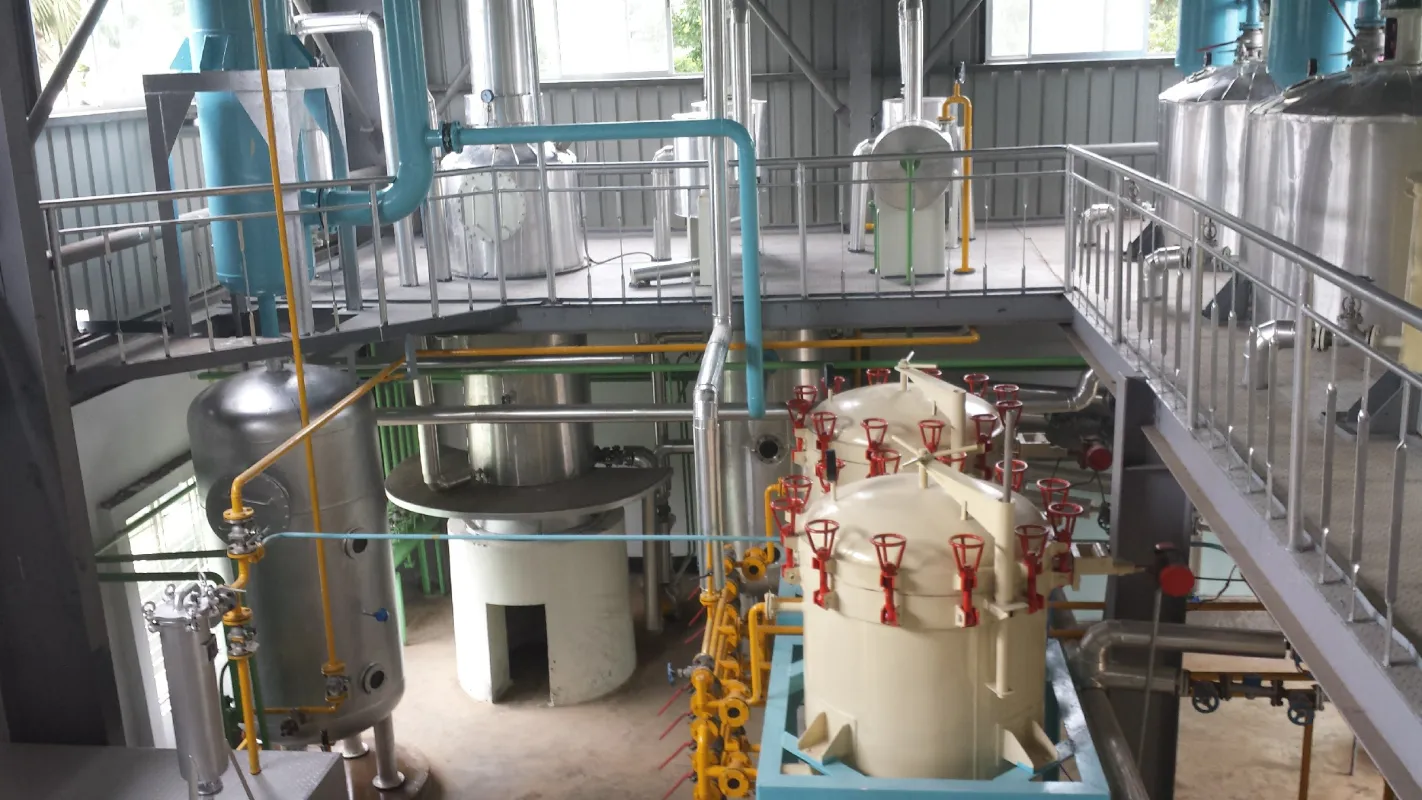
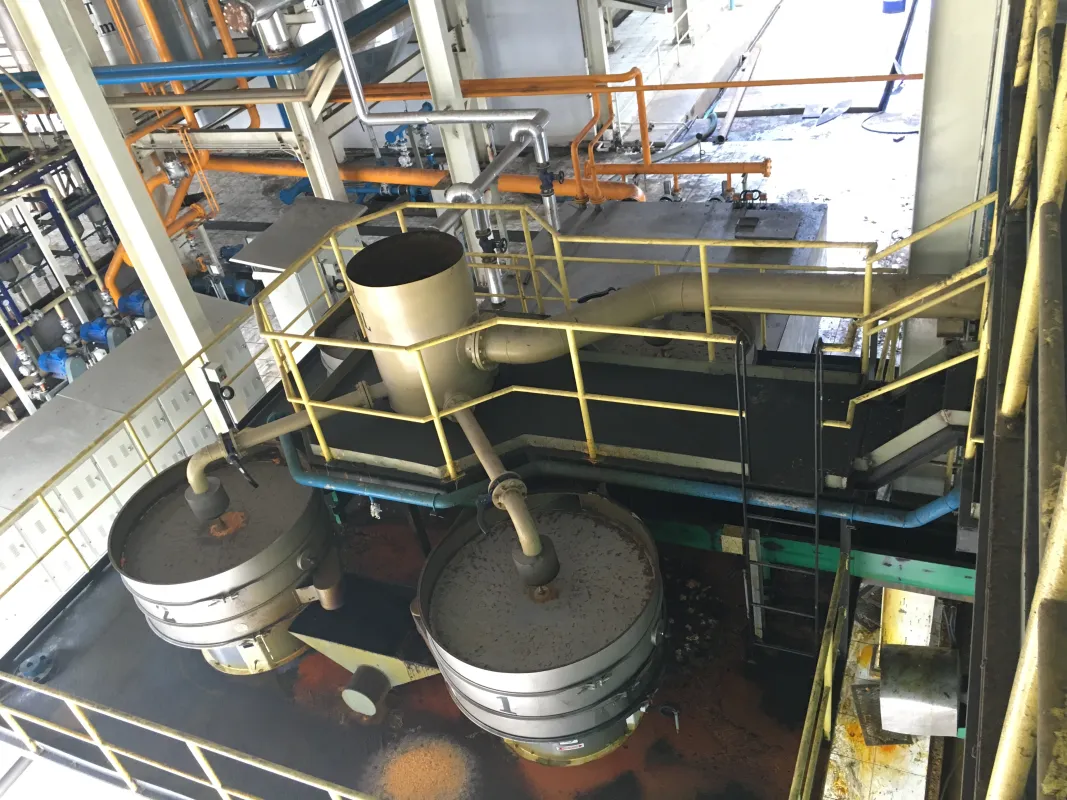
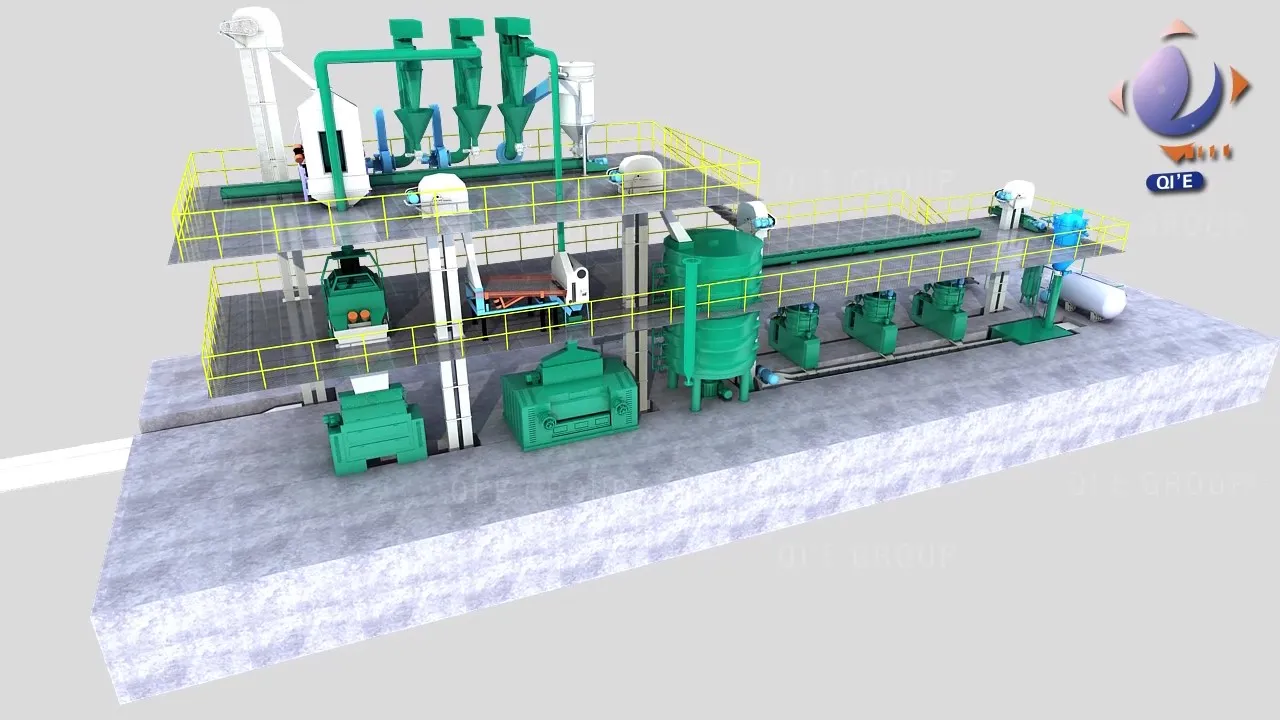
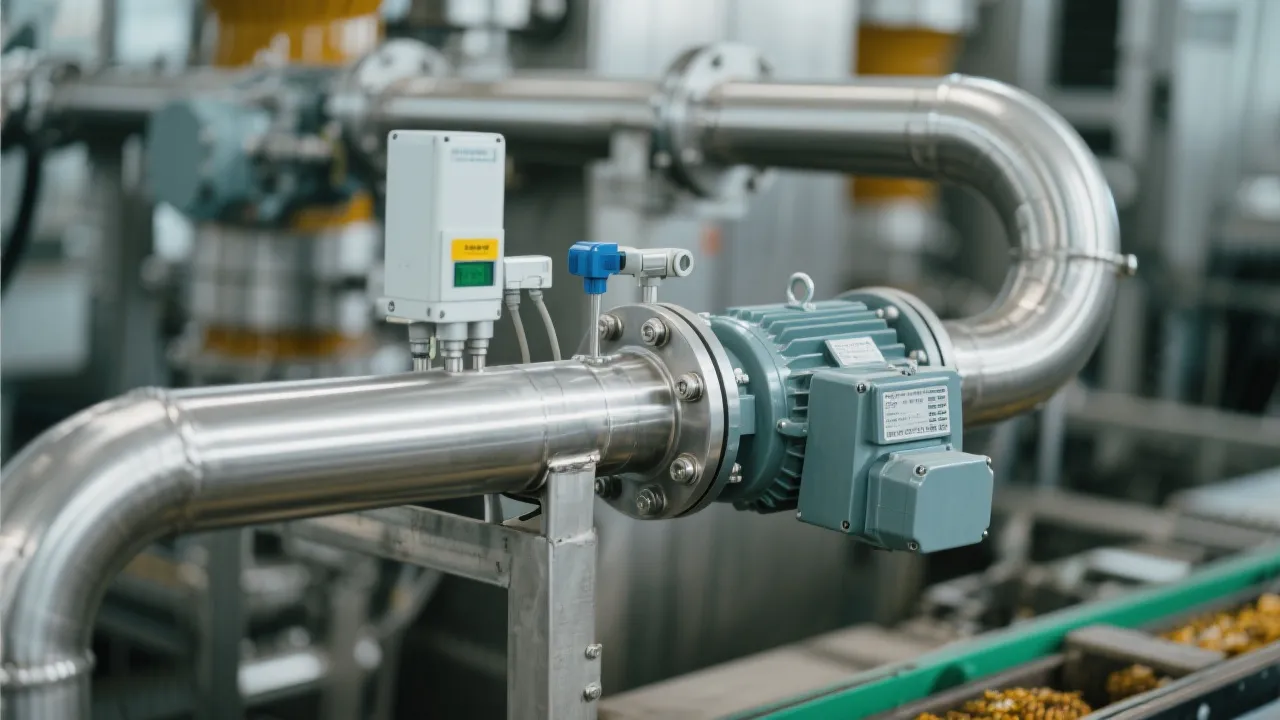
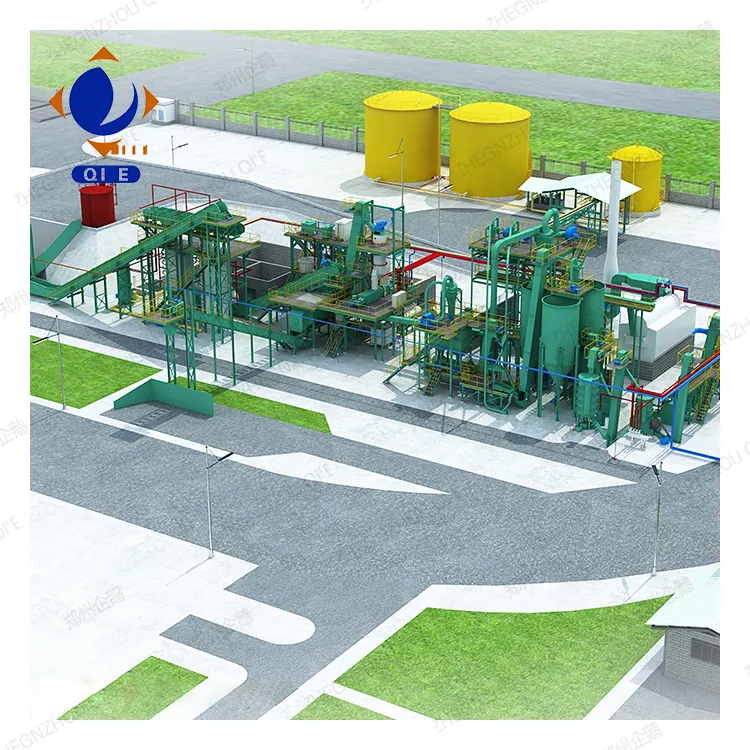
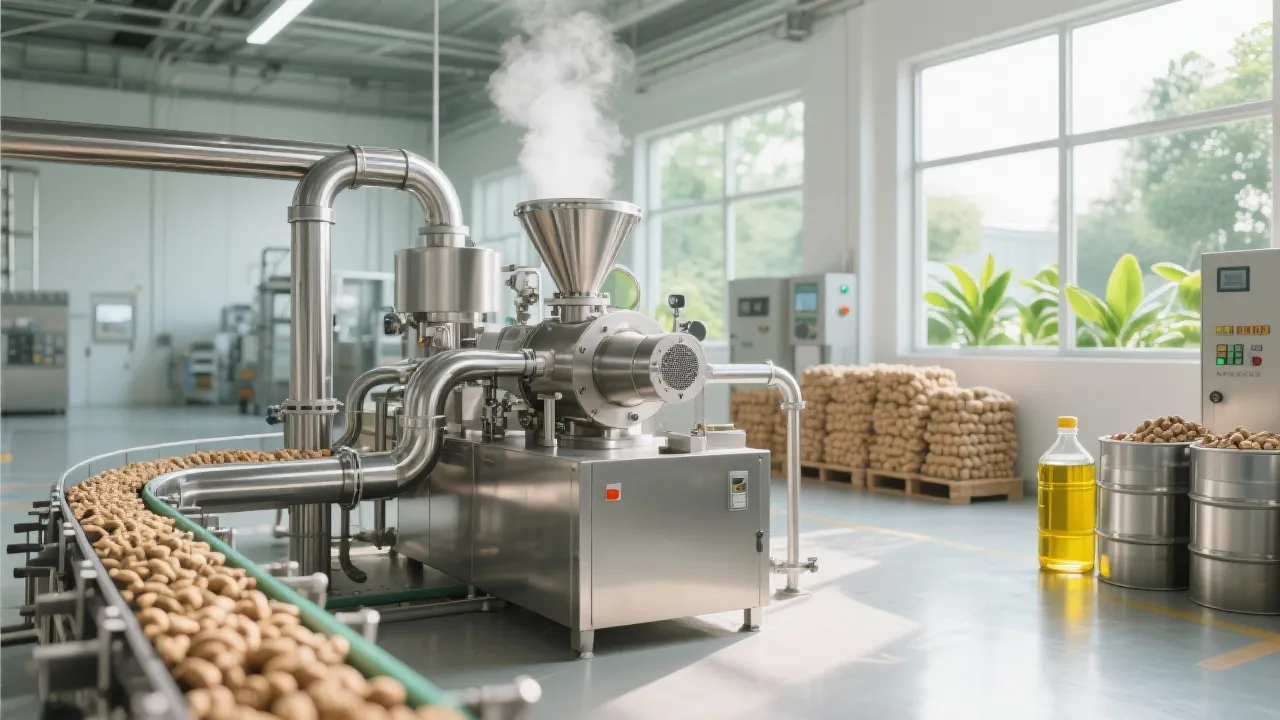
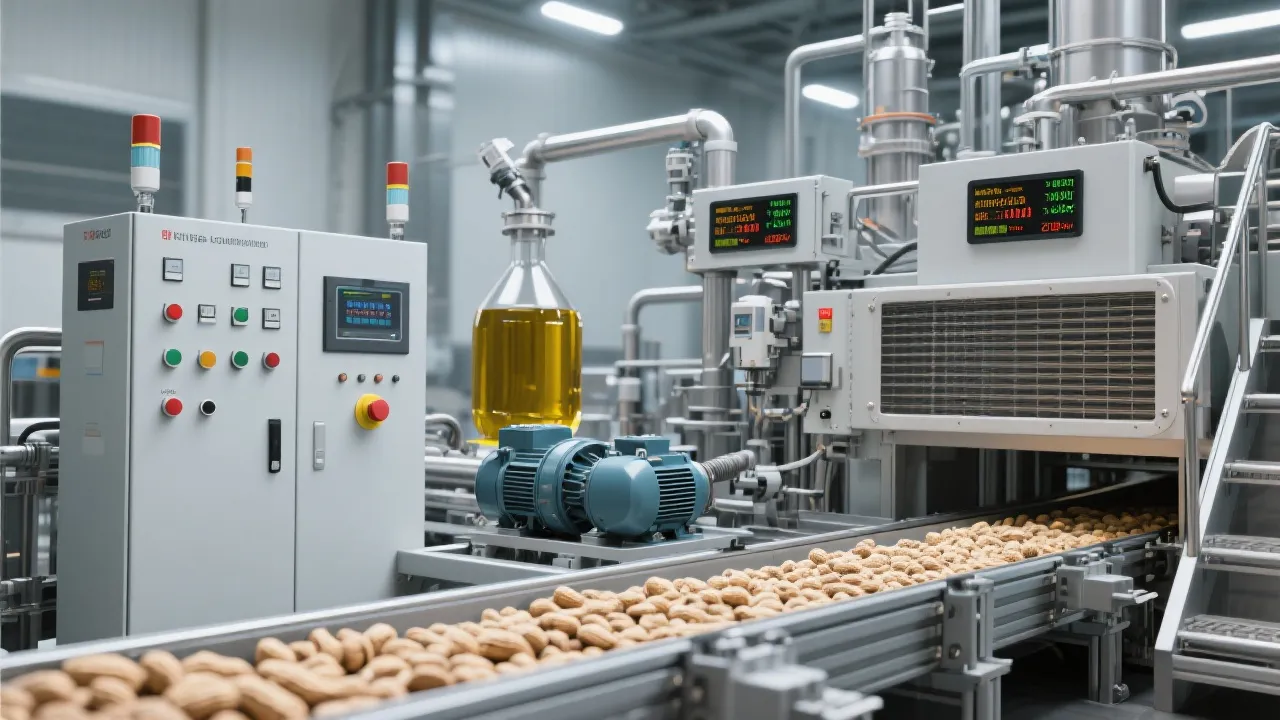
In the competitive world of edible oil production, downtime isn’t just inconvenient—it’s costly. A single unplanned shutdown during cold pressing or solvent extraction can cost up to $15,000 in lost output and labor, according to a 2023 study by the International Food Processing Association. That’s where an intelligent PLC (Programmable Logic Controller) system becomes your most reliable ally—not just as a control device, but as a proactive guardian of continuous operation.
Customer Case: “After installing our automated PLC solution, one Malaysian palm oil refiner saw a 30% reduction in unplanned stops over six months—and increased their OEE from 68% to 82%.” — Lin Wei, Plant Manager at Golden Harvest Edible Oils
Modern edible oil refineries rely on precise pressure regulation across multiple stages—from pre-heating to vacuum distillation. Traditional manual systems often miss subtle fluctuations that lead to sensor misreads or motor synchronization issues. With PLC automation, these variables are continuously monitored and adjusted within milliseconds.
For example, in a typical solvent extraction unit, the PLC maintains a stable pressure range between 0.3–0.6 bar. If sensors detect a sudden drop due to valve leakage or air ingress, the system automatically triggers a compensatory response—without operator intervention. This reduces false alarms by up to 70%, per field data from 12 plants using our industrial-grade controllers.
| Metric | Manual System | PLC-Controlled System |
|---|---|---|
| Avg. Downtime per Month | 22 hours | 7 hours |
| Energy Consumption (kWh/ton) | 85 kWh | 68 kWh |
| OEE Improvement | 65% | 82% |
These aren't hypothetical gains—they’re real results from clients who’ve adopted PLC-based monitoring and adaptive control logic in their refining lines.
Even with advanced automation, unexpected behavior happens. Here’s how to act fast when you see:
We recommend creating a simple daily checklist based on these points—it takes less than 10 minutes but prevents major failures.
Don’t wait for the next stoppage to realize what your system could do. With smart PLC integration, you’re not just automating—you’re optimizing every second of production.
 rapeseed oil production
oil yield improvement
nutrition preservation
cold pressing
solvent extraction
automated sesame oil production line
closed-loop sesame oil processing system
energy-efficient oil extraction equipment
sesame oil automation technology
food-grade oil production line
PLC temperature closed - loop control
Edible oil pressing process
Fully automated rapeseed oil production line
Intelligent control system
Food - grade production equipment
PLC control system for edible oil production
automated edible oil processing line
PLC troubleshooting guide
industrial automation in food manufacturing
smart factory solutions
canola oil extraction methods
cold pressing vs solvent extraction
edible oil processing technology
high-quality canola oil production
oil refining optimization
rapeseed oil production
oil yield improvement
nutrition preservation
cold pressing
solvent extraction
automated sesame oil production line
closed-loop sesame oil processing system
energy-efficient oil extraction equipment
sesame oil automation technology
food-grade oil production line
PLC temperature closed - loop control
Edible oil pressing process
Fully automated rapeseed oil production line
Intelligent control system
Food - grade production equipment
PLC control system for edible oil production
automated edible oil processing line
PLC troubleshooting guide
industrial automation in food manufacturing
smart factory solutions
canola oil extraction methods
cold pressing vs solvent extraction
edible oil processing technology
high-quality canola oil production
oil refining optimization


.png?x-oss-process=image/resize,h_100,m_lfit/format,webp)
.png?x-oss-process=image/resize,h_100,m_lfit/format,webp)
.png?x-oss-process=image/resize,h_100,m_lfit/format,webp)