Troubleshooting Guide for PLC Control Systems in Edible Oil Production: Rapid Identification of Sensor False Alarms and Motor Synchronization Deviations
2025-12-11
Application Tips
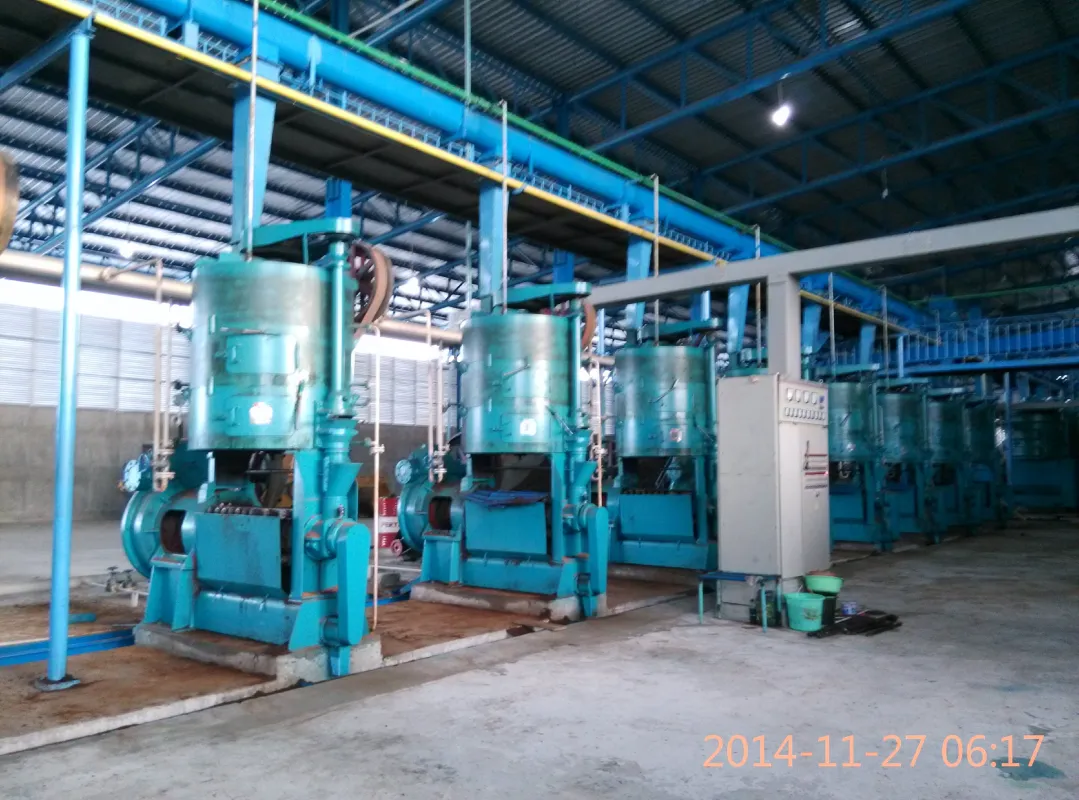
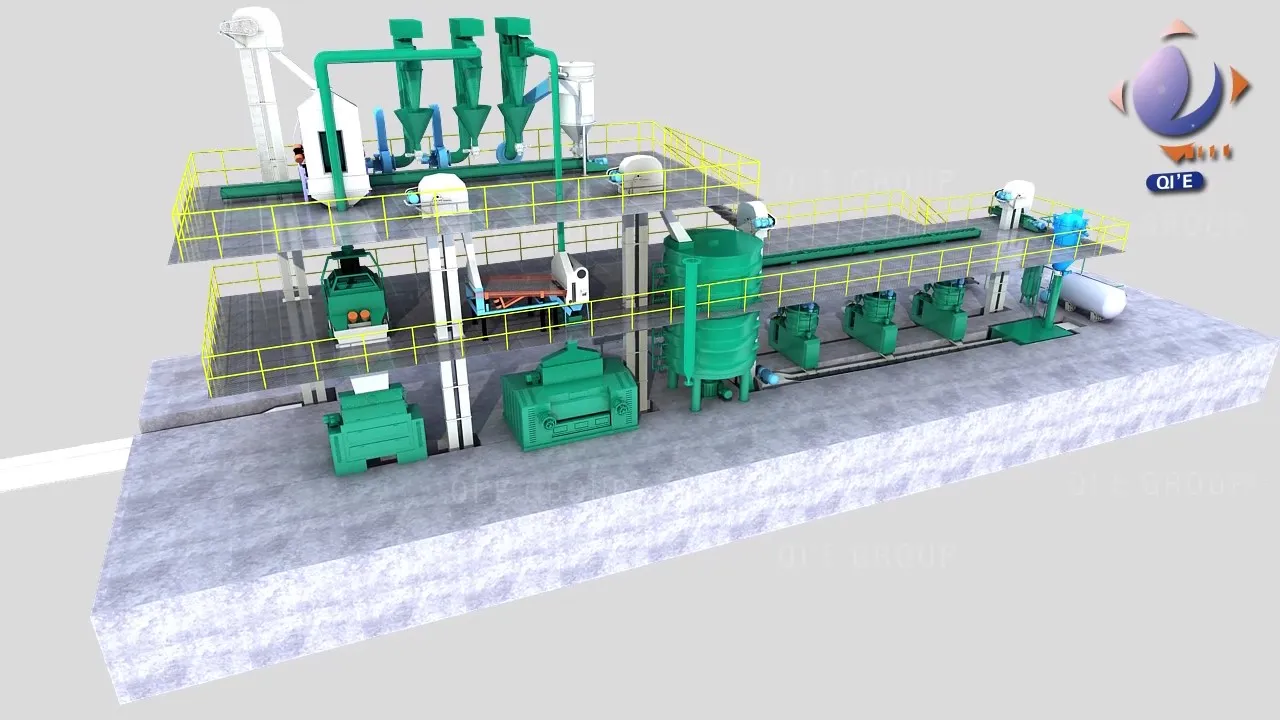
This article focuses on the PLC intelligent control system developed by Penguin Group for fully automatic rapeseed oil production lines. It elaborates on the critical role and automation advantages of PLC control across key production stages, including raw material processing, cold pressing, solvent extraction, and filling. The guide emphasizes practical methods for quickly diagnosing common issues such as sensor false alarms and motor synchronization deviations, supported by real-world case studies that illustrate log analysis and environmental inspection techniques. By providing a comprehensive fault troubleshooting table, daily maintenance recommendations, and remote monitoring setup guidance, this article aims to help technical personnel rapidly locate and resolve faults, thereby enhancing equipment efficiency, production stability, and reducing unplanned downtime risks.

Troubleshooting Guide for PLC Control System in Edible Oil Production Lines: Rapid Detection of Sensor False Alarms & Motor Synchronization Deviations
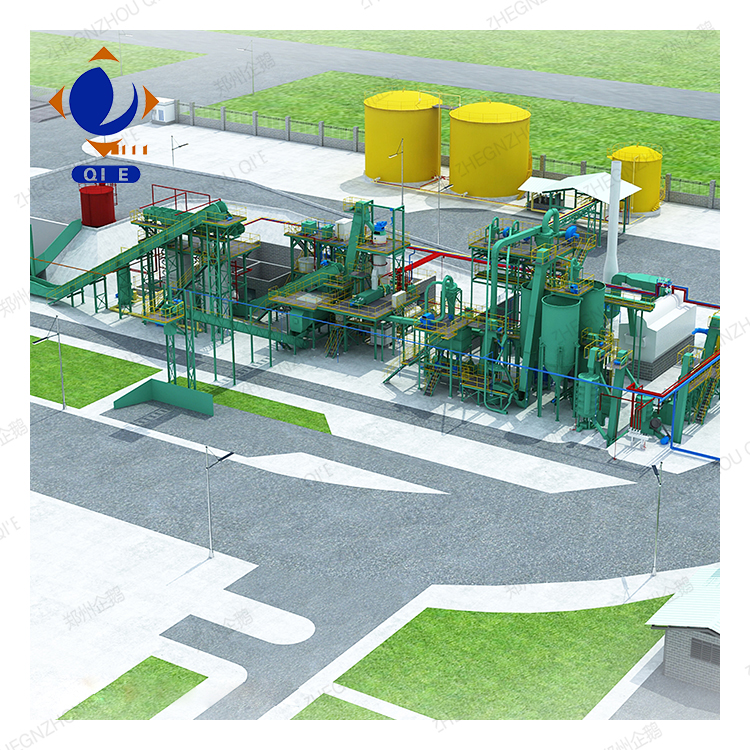
The automation backbone of modern edible oil production lies within a robust PLC (Programmable Logic Controller) system. At the heart of Penguin Group’s fully automated rapeseed oil production line, the PLC control system orchestrates critical phases including raw material processing, cold pressing, solvent extraction, and bottling. Smart control not only guarantees production stability and energy efficiency but also significantly reduces downtime caused by unforeseen faults.
Understanding the Core Role of the PLC System in Edible Oil Production
PLC systems act as the digital nerve center, linking sensors, actuators, and motors to precisely monitor and control each production stage. Whether it's regulating pressure during cold pressing or ensuring precise solvent saturation, the PLC enables seamless coordination that maximizes oil yield and maintains consistent product quality.
Key benefits include:
- Real-time data acquisition and process control
- Energy-saving automated operation modes reducing power consumption by up to 15%
- Minimized manual intervention cuts operational errors by approximately 30%
- Enhanced traceability through detailed PLC logs supporting maintenance decisions
Common Challenges: Sensor False Alarms & Motor Synchronization Deviations
Despite advanced automation, production lines often grapple with two prevalent issues:
- Sensor False Alarms: Erroneous signals from sensors can trigger unnecessary stoppages or risky overrides, leading to lost production time. Causes range from electrical noise interference to sensor aging or contamination.
- Motor Synchronization Deviations: Multiple motors operating asynchronously may cause mechanical stress, product quality degradation, or even damage to the conveyor or pressing machinery.
Swift Fault Diagnosis: Step-by-Step Troubleshooting Approach
The following structured workflow expedites fault localization and resolution:
1. Sensor False Alarm Diagnosis
- Verify sensor wiring and connectors for looseness or corrosion—a frequent cause of signal disruption.
- Review recent PLC logs to identify repetitive false triggers in signal patterns.
- Conduct environmental inspection to detect contaminants like oil mist or dust affecting sensor lenses.
- Apply noise filtering or shield cables to mitigate electromagnetic interference, especially near heavy motor drives.
2. Motor Synchronization Deviation Check
- Access motor speed and torque readings via PLC diagnostics for irregular deviations beyond ±3% tolerance.
- Inspect mechanical couplings and belts for slippage or wear that could cause timing offsets.
- Ensure PLC control parameters for motor synchronization loops are correctly calibrated, including PID controller settings.
- Test remote monitoring alerts to confirm real-time detection and response capability for synchronization anomalies.
Real-World Case Study: Accelerated Fault Resolution on a Cold Pressing Unit
A leading edible oil manufacturer encountered repeated sensor false alarms causing a 6-hour production downtime per week. After implementing the following rapid troubleshooting protocol, downtime decreased by 80% within one month:
- Systematically replaced aged proximity sensors prone to oil contamination
- Introduced additional PLC input filtering and signal redundancy checks
- Trained maintenance staff on real-time log analysis for early anomaly detection
These measures resulted in an annual estimated cost saving of $50,000 due to fewer unscheduled halts and improved overall equipment effectiveness (OEE) by 4.5%.
Best Practices for Maintenance & Remote Monitoring
To sustain high uptime and efficiency, edible oil production enterprises should:
- Establish a weekly inspection checklist focusing on critical PLC inputs/outputs and sensor status
- Implement scheduled calibration of sensors and verification of motor synchronization parameters
- Deploy remote monitoring platforms offering real-time alerts, historical trend analysis, and predictive maintenance cues
- Maintain close collaboration with equipment manufacturers for timely software updates and technical support


.png?x-oss-process=image/resize,h_100,m_lfit/format,webp)
.png?x-oss-process=image/resize,h_100,m_lfit/format,webp)
.png?x-oss-process=image/resize,h_100,m_lfit/format,webp)