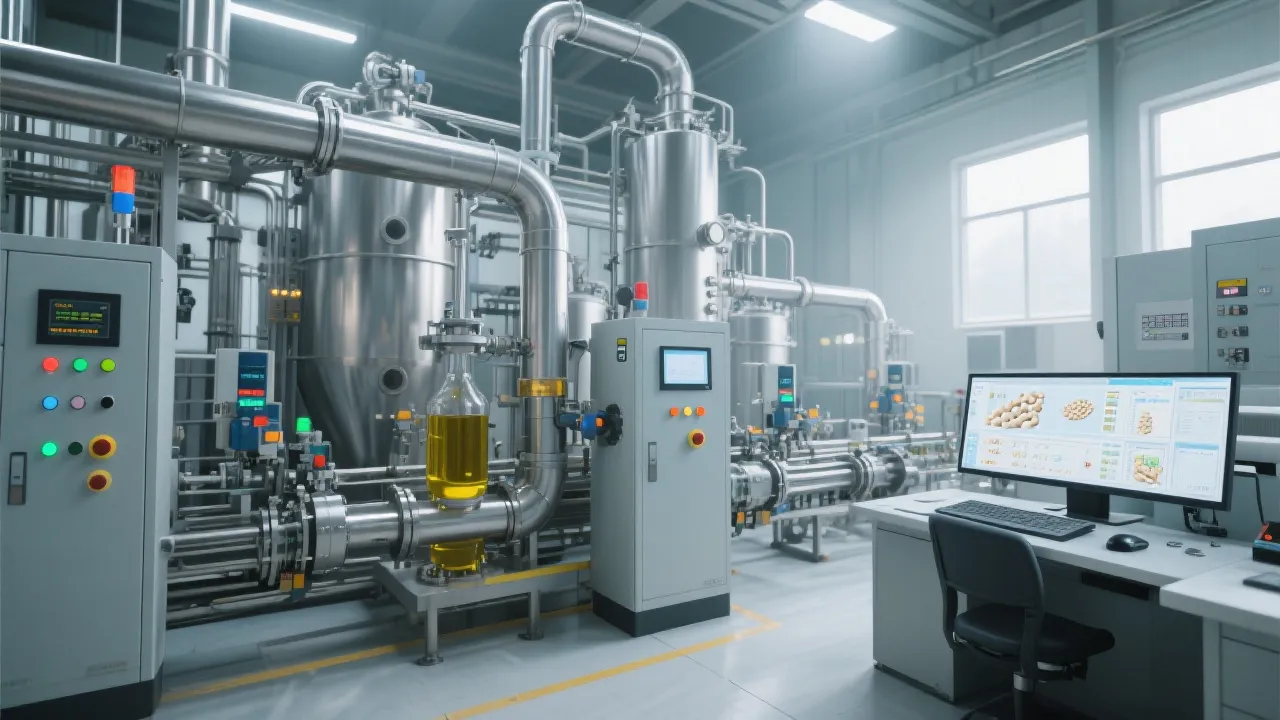
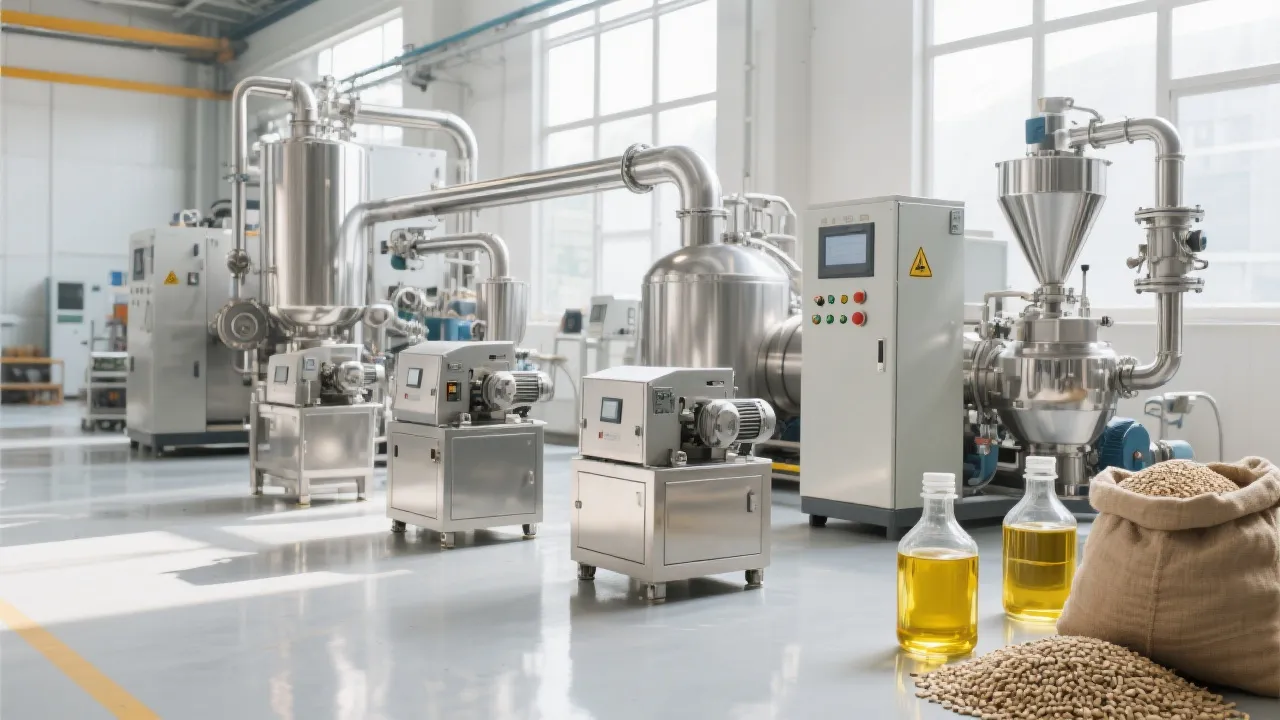
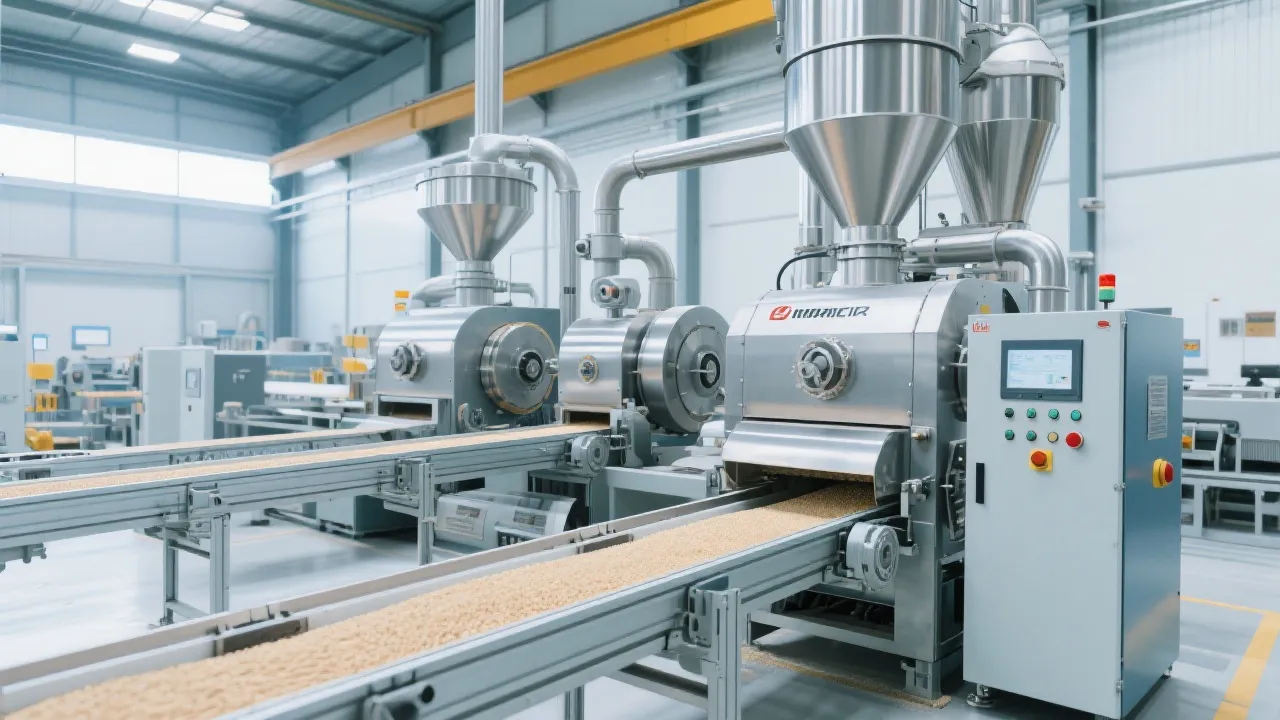
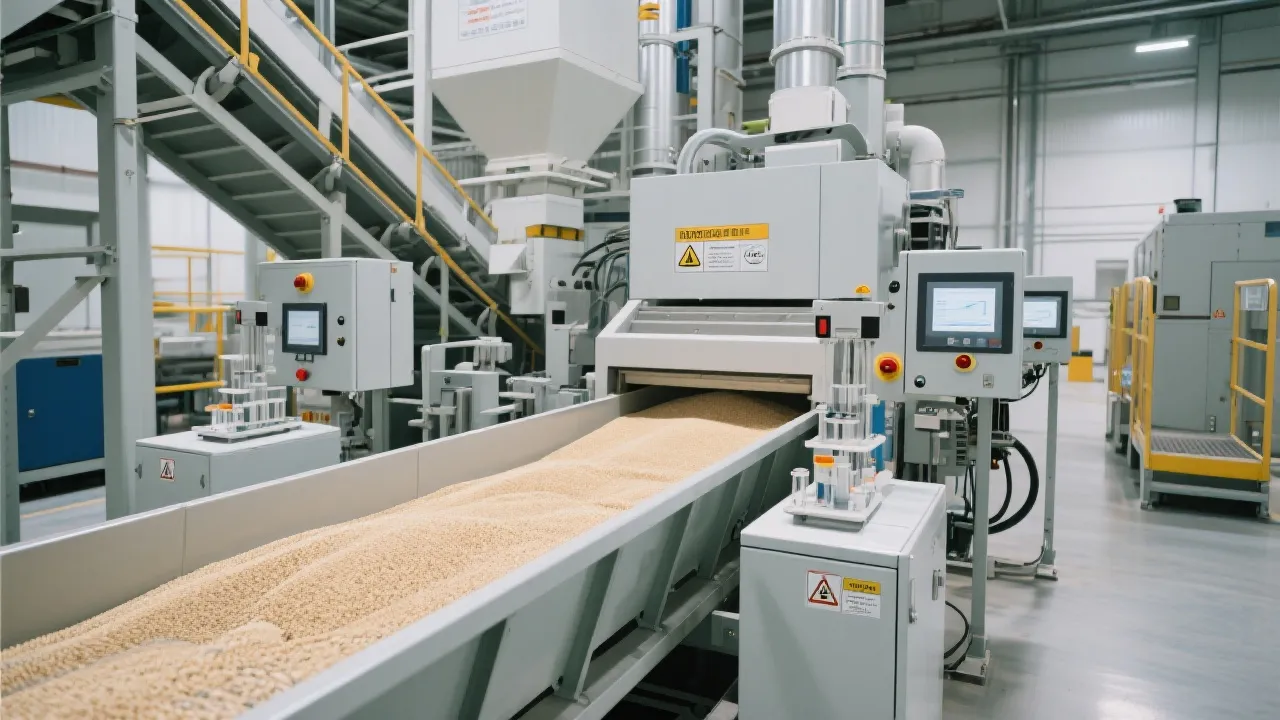
Every time your cold-pressing or refining unit halts due to a PLC fault, you lose more than just production time — you risk inconsistent quality, wasted energy, and frustrated clients. In fact, studies show that unplanned downtime in food processing lines can cost up to 15% of total OEE (Overall Equipment Effectiveness). That’s where a smart, fully automated PLC control system becomes your factory’s most reliable partner.
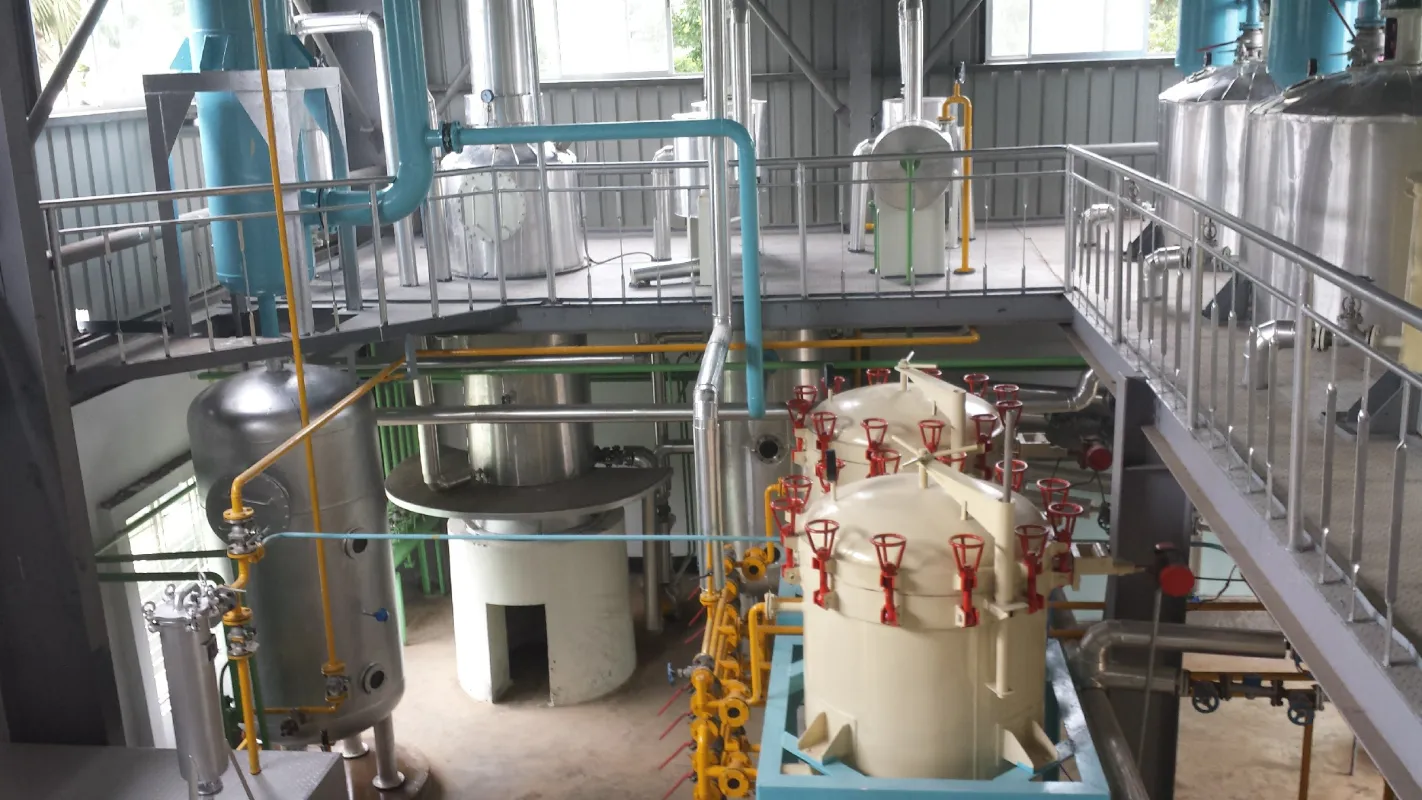
In traditional setups, operators manually adjust temperature, pressure, and motor speed across raw material handling → pressing → refining → bottling. This leads to variability — sometimes oil viscosity changes unexpectedly, or灌装量偏差达±3%,导致包装浪费和客户投诉。
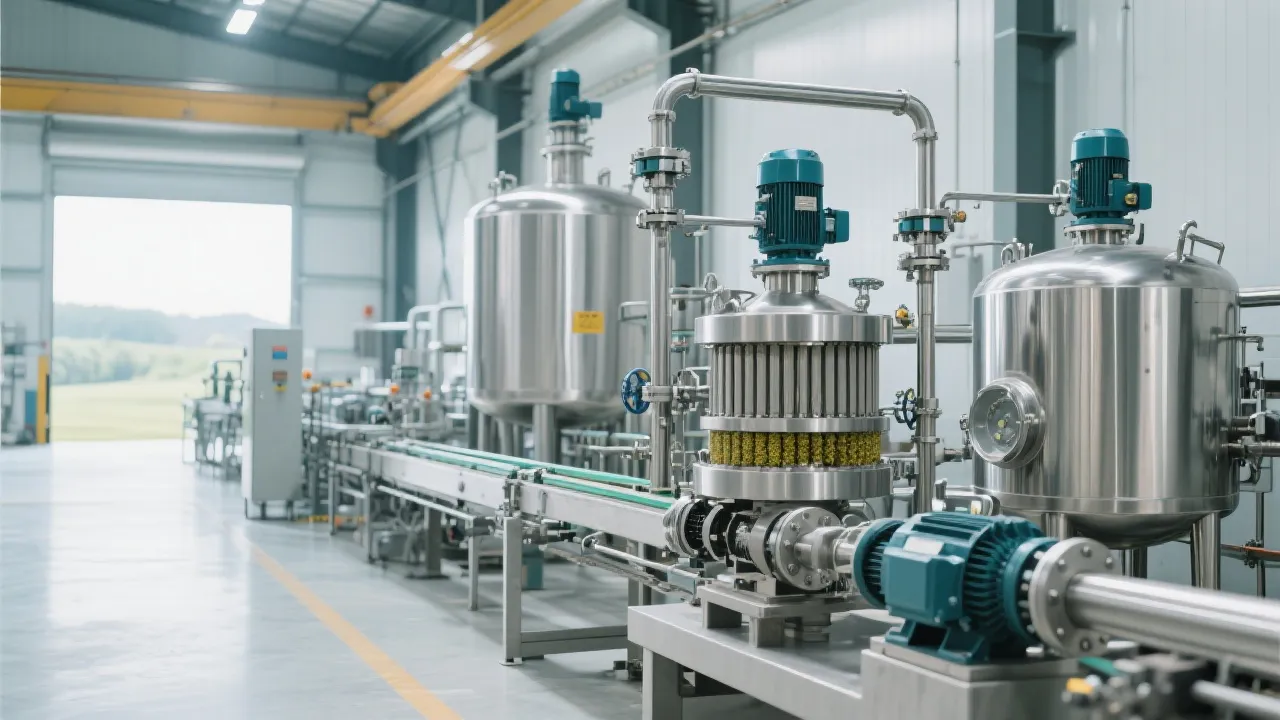
With our PLC-based automation:
| Parameter | Manual Operation | PLC-Controlled |
|---|---|---|
| Energy Consumption | +12–18% | −7–10% |
| Consistency (Viscosity Deviation) | ±4–5% | ±0.5–1% |
| Downtime Frequency | Monthly avg: 6–8 hours | Weekly avg: ≤1 hour |
“After installing the new PLC system, we reduced sensor false alarms by 83%. The remote monitoring feature allowed us to catch issues before they caused shutdowns.”
— Anonymous Plant Manager, Southeast Asia Edible Oil Manufacturer
The real power of PLC isn’t just in automation — it’s in predictive intelligence. By logging real-time data from temperature sensors, pressure transducers, and motor drives, the system flags anomalies before failure occurs. For example:
Implement a simple daily inspection checklist — like checking alarm logs, verifying PID tuning values, and validating communication between modules — and you’ll reduce reactive maintenance by over 60%.
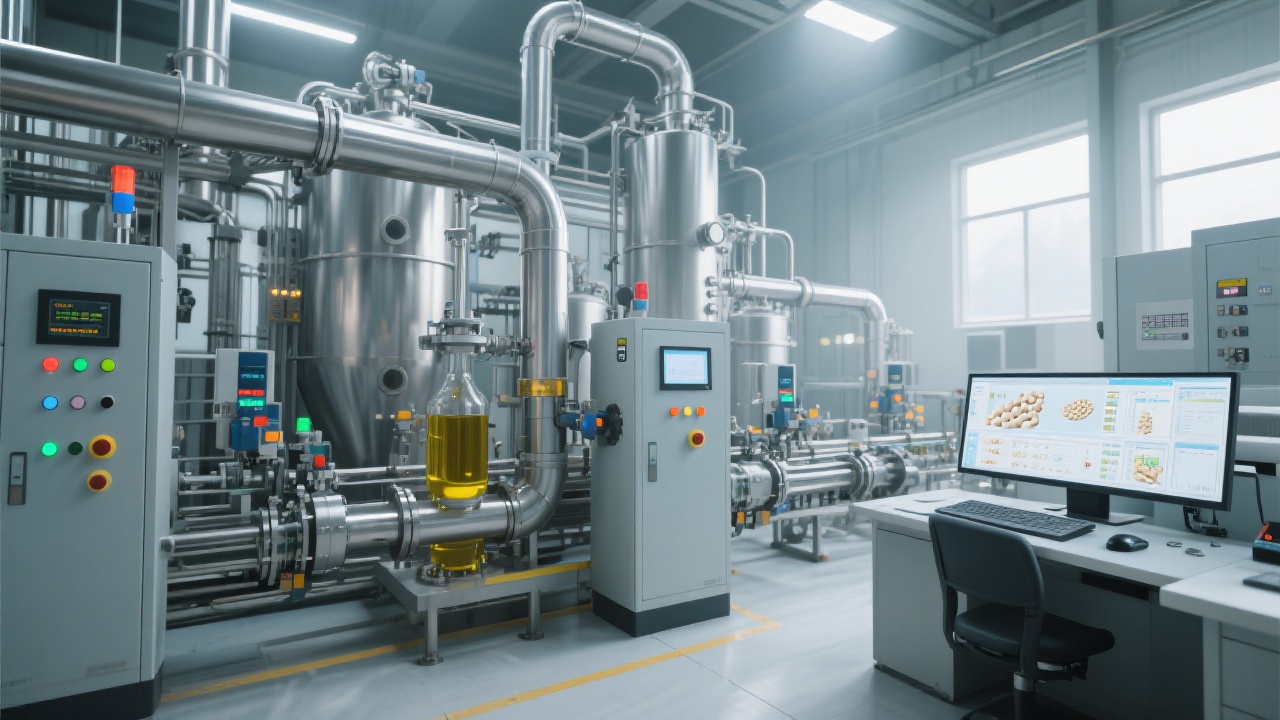
Let every minute count — turn idle minutes into high-value oil output. From passive repair to proactive prevention, this is how smart factories stay ahead.
Get a free PLC diagnostic audit + remote setup guide tailored to your current equipment.
Unlock Smarter Production Today automated sesame oil production
PLC parameter optimization
industrial fault troubleshooting
preventive maintenance strategies
automation equipment management
Fully automatic sunflower oil production line
Sunflower oil production equipment
Grain and oil processing automation
Export grain and oil equipment
Food - grade oilseed production line
Automated sesame oil production line technology
Advantages of fully - enclosed production systems
Environmentally - friendly and energy - saving grain and oil equipment
Sesame oil production equipment
Intelligent grain and oil processing solutions
sesame oil production line automation
PLC parameter optimization
automated control system maintenance
grain and oil machinery automation
production line troubleshooting
sesame oil production automation
PLC parameter tuning
industrial control system troubleshooting
sensor calibration in food processing
automated yield optimization
automated sesame oil production
PLC parameter optimization
industrial fault troubleshooting
preventive maintenance strategies
automation equipment management
Fully automatic sunflower oil production line
Sunflower oil production equipment
Grain and oil processing automation
Export grain and oil equipment
Food - grade oilseed production line
Automated sesame oil production line technology
Advantages of fully - enclosed production systems
Environmentally - friendly and energy - saving grain and oil equipment
Sesame oil production equipment
Intelligent grain and oil processing solutions
sesame oil production line automation
PLC parameter optimization
automated control system maintenance
grain and oil machinery automation
production line troubleshooting
sesame oil production automation
PLC parameter tuning
industrial control system troubleshooting
sensor calibration in food processing
automated yield optimization


.jpg?x-oss-process=image/resize,h_800,m_lfit/format,webp)


.png?x-oss-process=image/resize,h_100,m_lfit/format,webp)
.png?x-oss-process=image/resize,h_100,m_lfit/format,webp)
.png?x-oss-process=image/resize,h_100,m_lfit/format,webp)