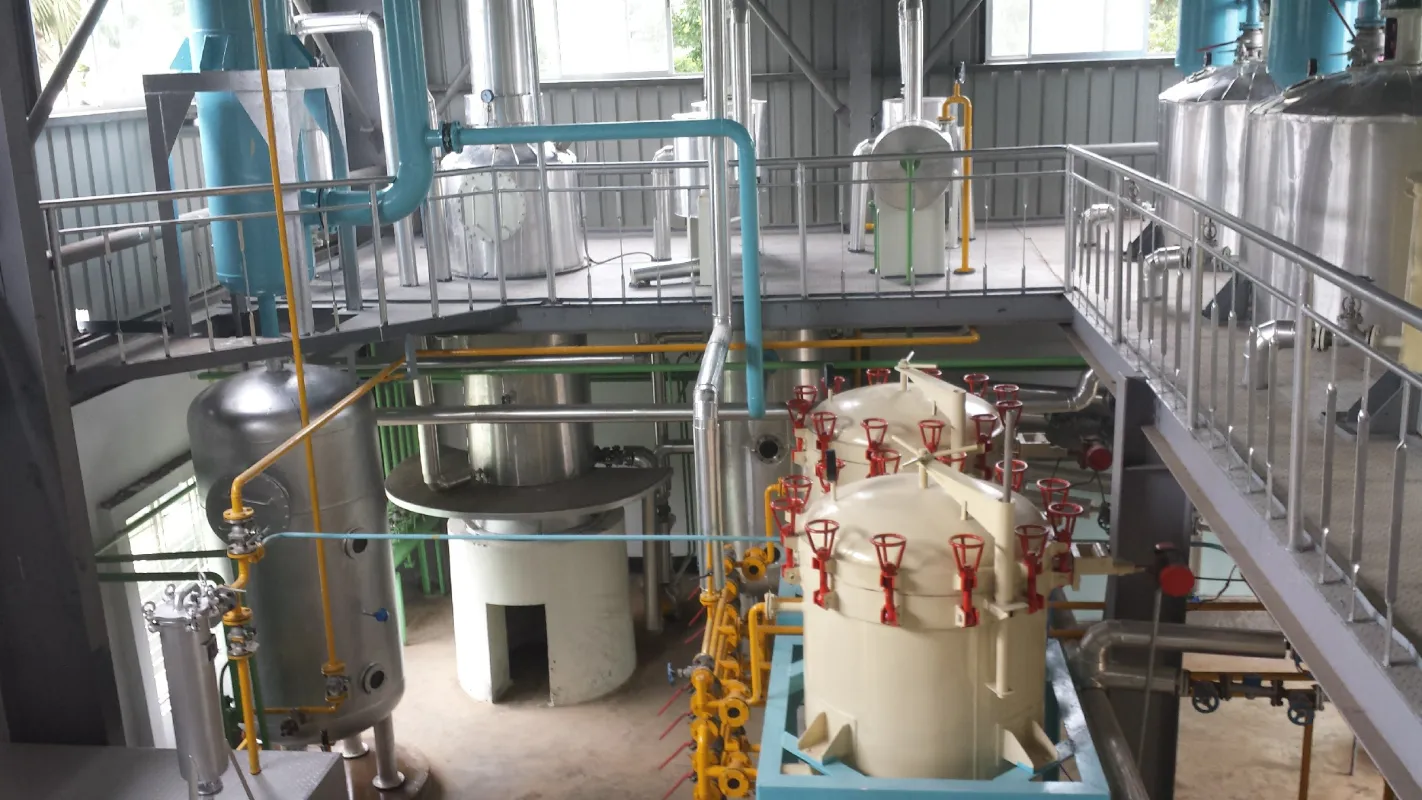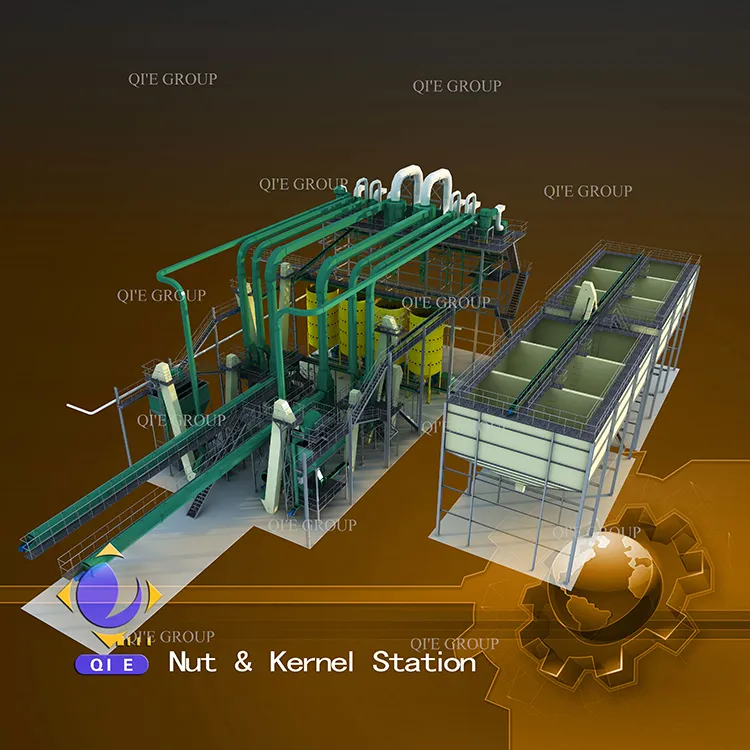
In the modern edible oil production industry, enhancing Overall Equipment Effectiveness (OEE) is a top priority for plant managers and technical leaders. A PLC (Programmable Logic Controller) remote monitoring system can be a game - changer in achieving this goal. Let's explore how it works in the four key stages of an edible oil production line: raw material pre - treatment, pressing, refining, and filling.
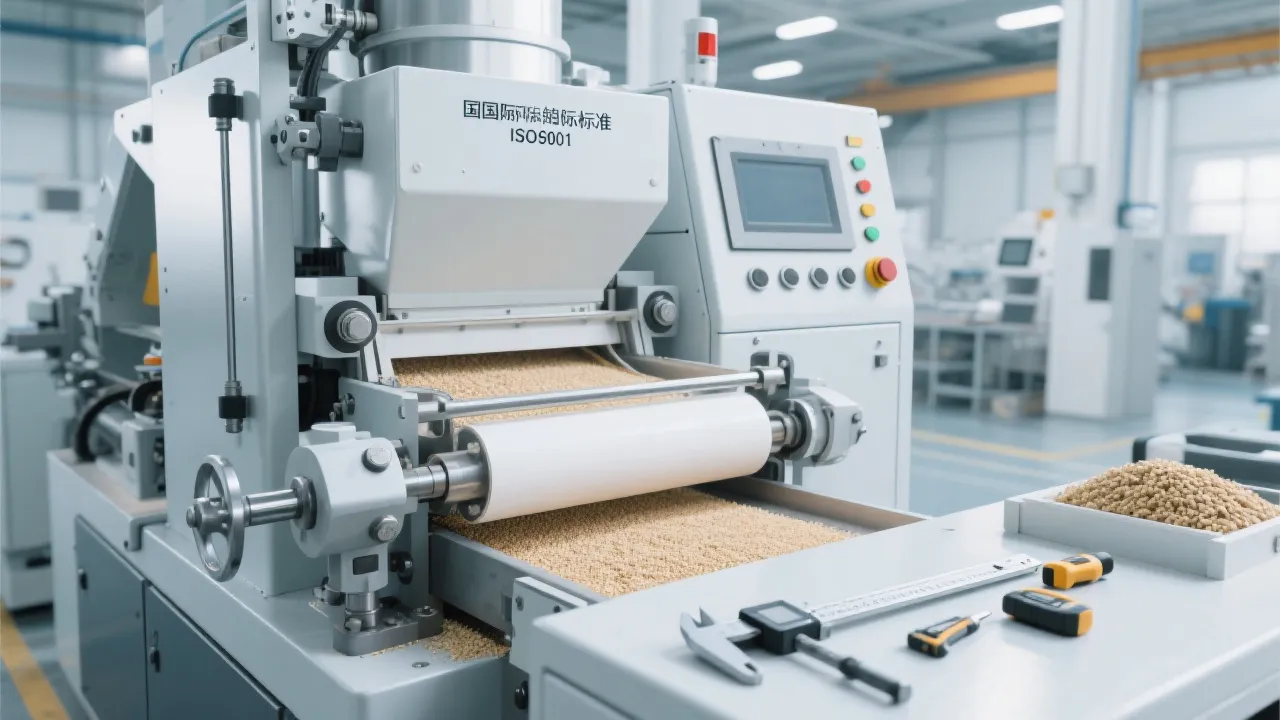
During raw material pre - treatment, PLC systems can precisely control the cleaning, drying, and tempering processes. By using closed - loop control to adjust temperature, moisture, and flow rate, PLCs ensure consistent quality of the raw materials entering the next stage. For example, in traditional control systems, the moisture content of raw materials might vary by ±5%, while with PLC automatic control, this variation can be reduced to ±1%, significantly improving the subsequent pressing efficiency.
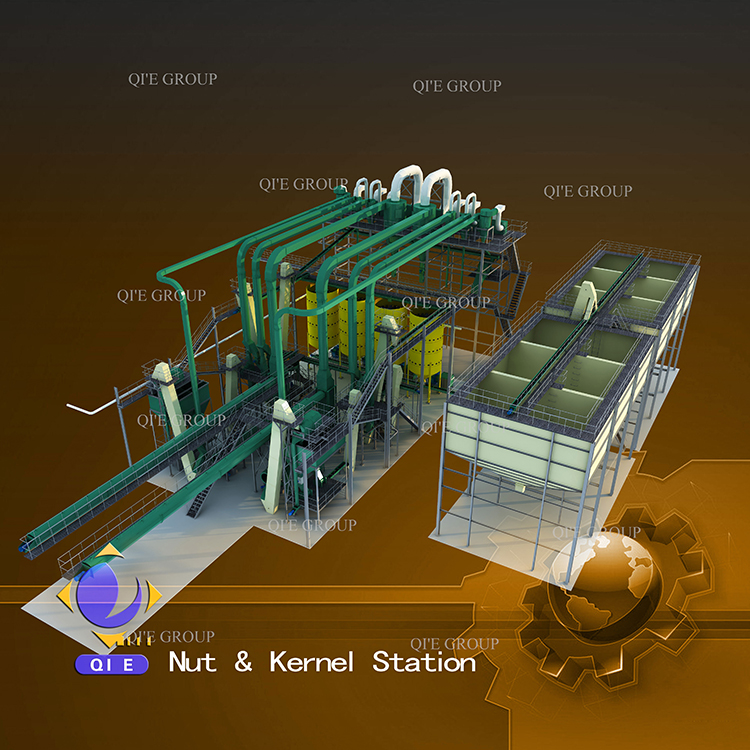
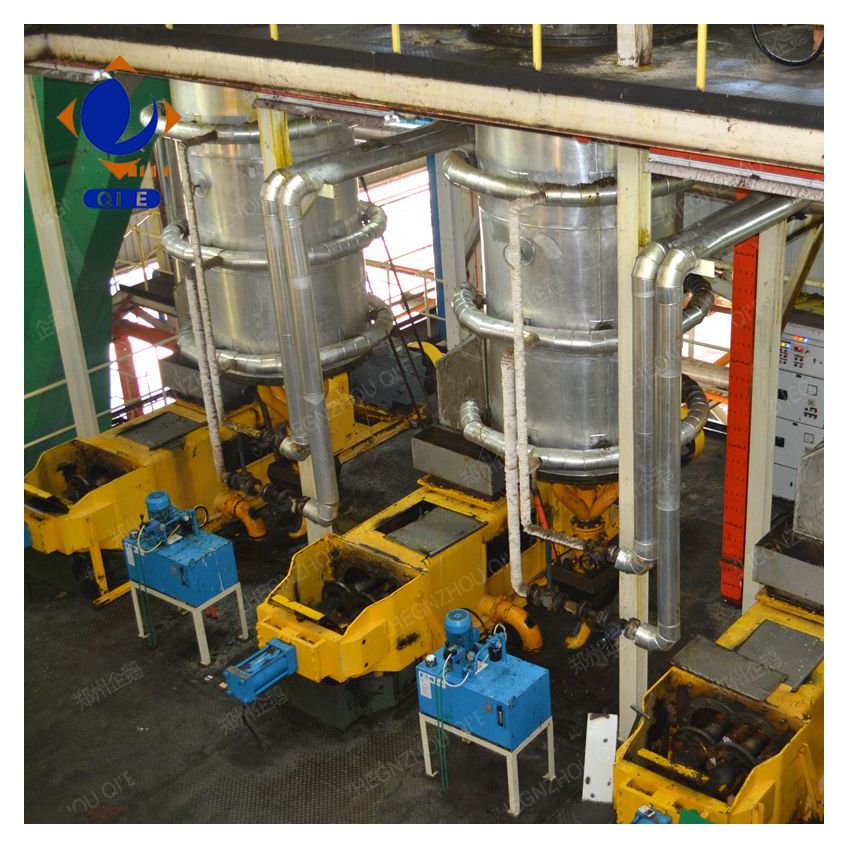
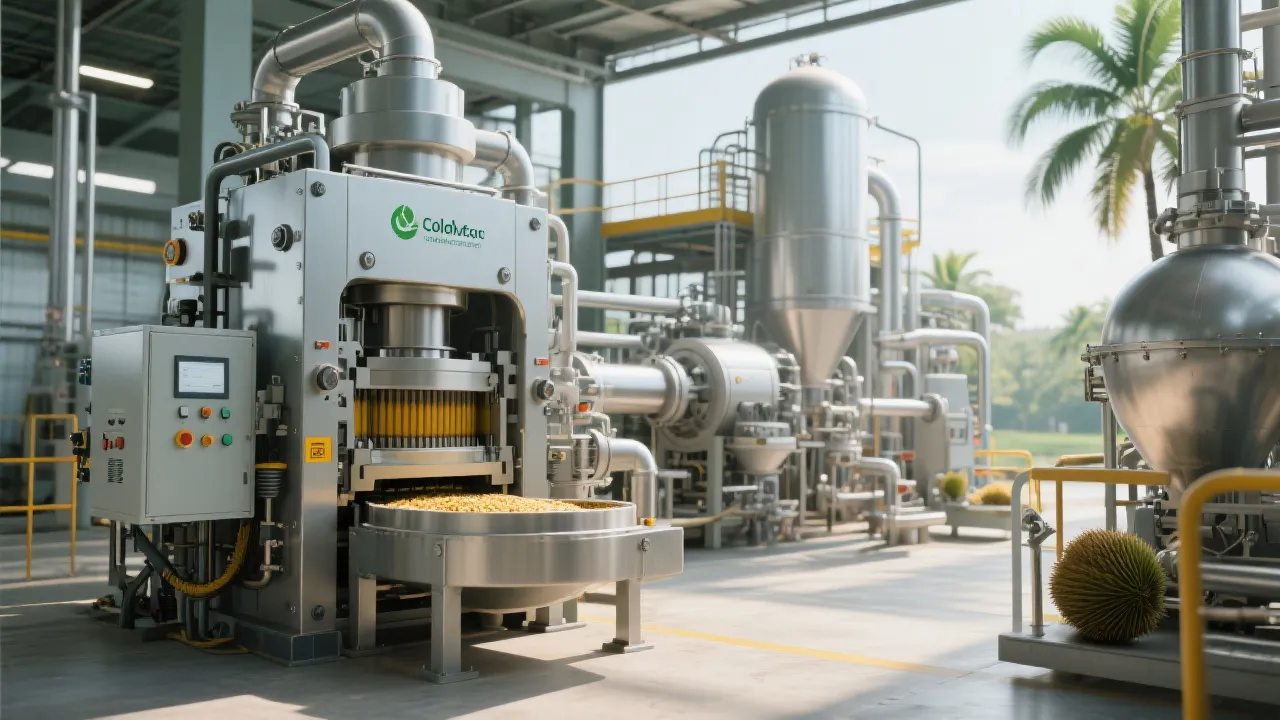
In the pressing stage, PLCs regulate the pressure and speed of the presses. They can adjust these parameters in real - time based on the characteristics of the raw materials, ensuring maximum oil extraction. Traditional control methods often lead to an average oil extraction rate of about 90%, while PLC - controlled systems can increase this rate to over 93%. Moreover, PLCs can maintain a stable temperature during pressing, which is crucial for the quality of the crude oil.
Refining is a complex process that involves removing impurities, neutralizing acids, and deodorizing the crude oil. PLCs can accurately control the addition of chemicals, temperature, and pressure during refining. By replacing manual operations, PLCs can improve the consistency of the refined oil quality. In terms of energy consumption, traditional control systems consume about 15% more energy compared to PLC - controlled systems in the refining process.
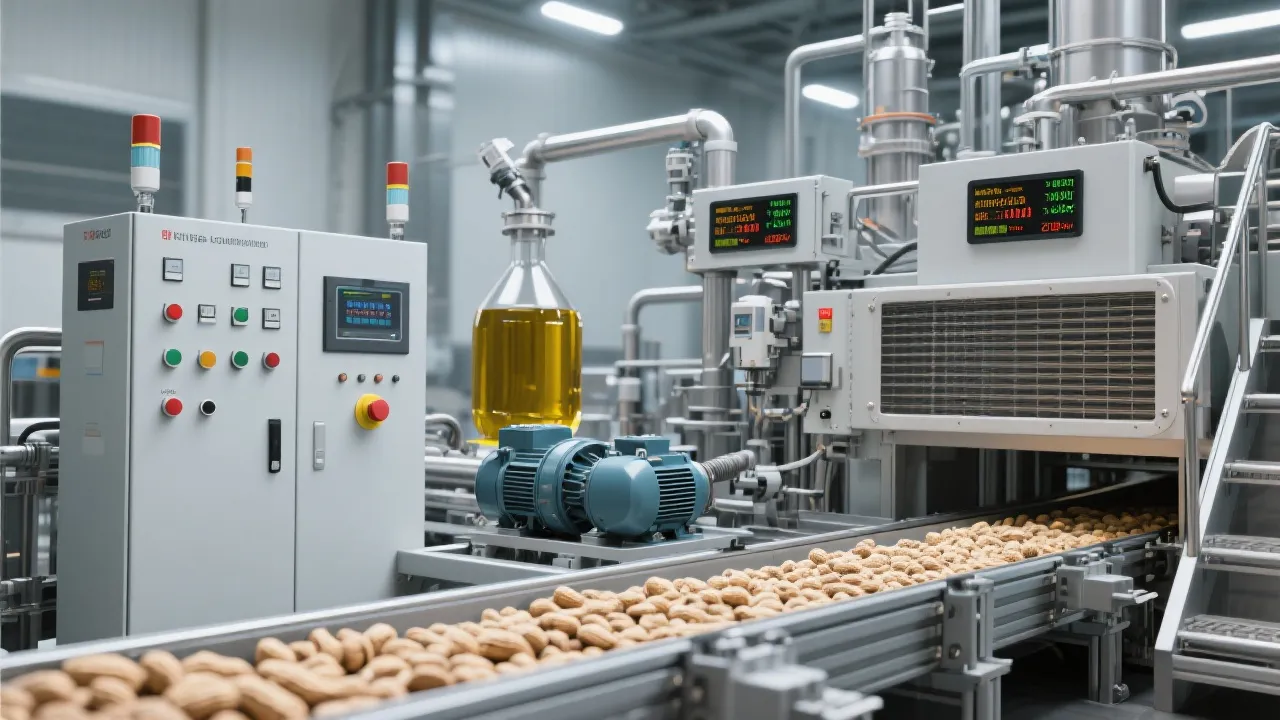
For the filling stage, PLCs ensure accurate filling volume and sealing quality. They can control the filling speed and pressure to prevent spillage and ensure product safety. In traditional filling processes, the filling accuracy might be within ±2%, while PLC - controlled filling can achieve an accuracy of ±0.5%, greatly improving the product's marketability.
PLCs can optimize energy consumption by adjusting the operation of motors, pumps, and heaters according to the actual production demand. For example, during low - production periods, PLCs can reduce the power output of motors, saving up to 20% of electricity compared to traditional control methods. By continuously monitoring and adjusting temperature, pressure, and flow rate, PLCs ensure that the production process operates at the most energy - efficient point.
There are some typical fault scenarios in the PLC - controlled edible oil production line. For instance, sensor false alarms can occur due to dust or moisture. To quickly locate this problem, you can check the sensor's output signal and compare it with the normal range. Another common issue is motor synchronization deviation, which can cause uneven pressing or filling. You can use diagnostic tools provided by the PLC system to check the motor's speed and position feedback.
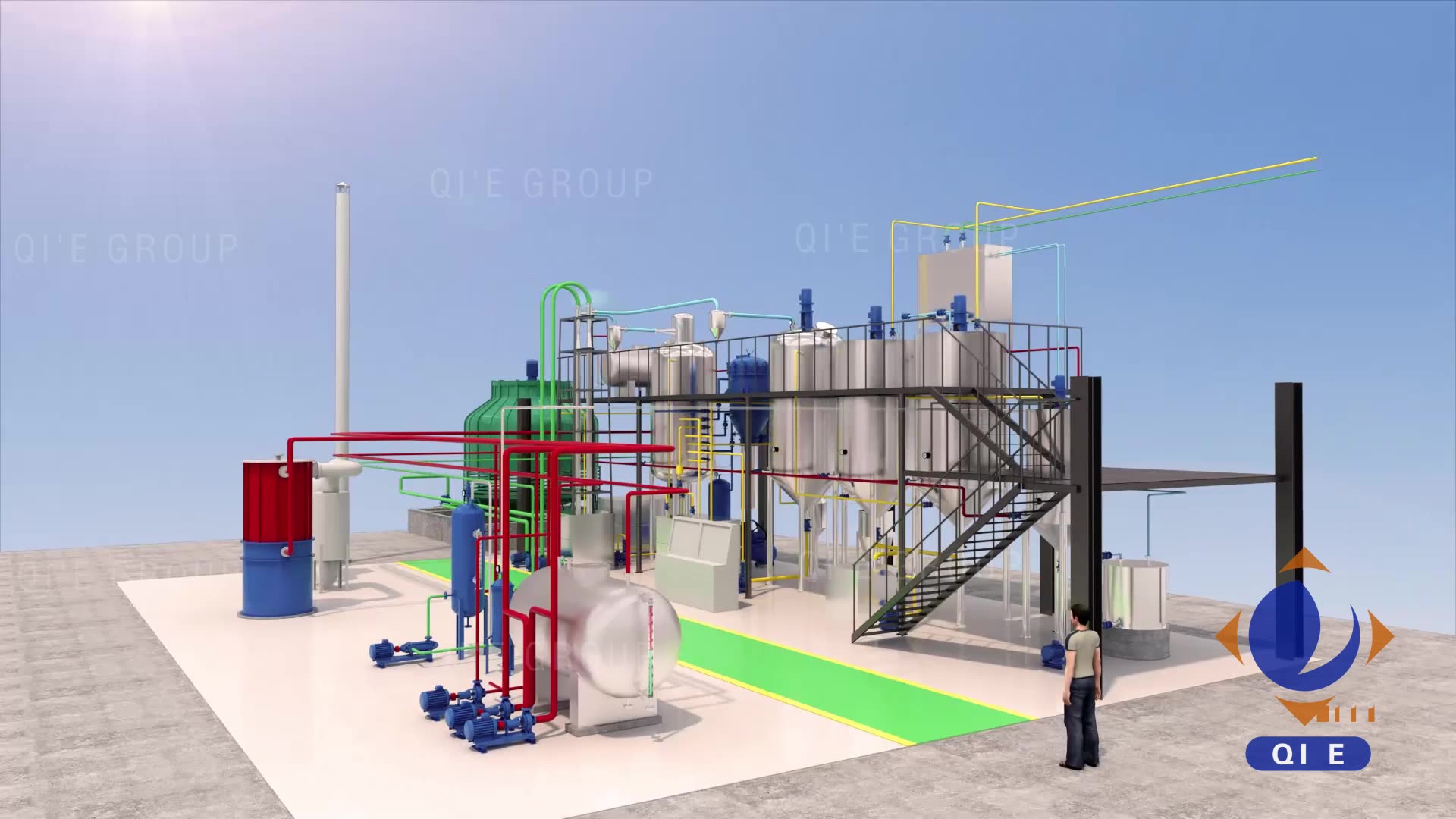
Regular daily inspections are also essential. You should check the wiring connections, sensor status, and PLC program operation. By doing so, you can detect potential problems before they cause major breakdowns.
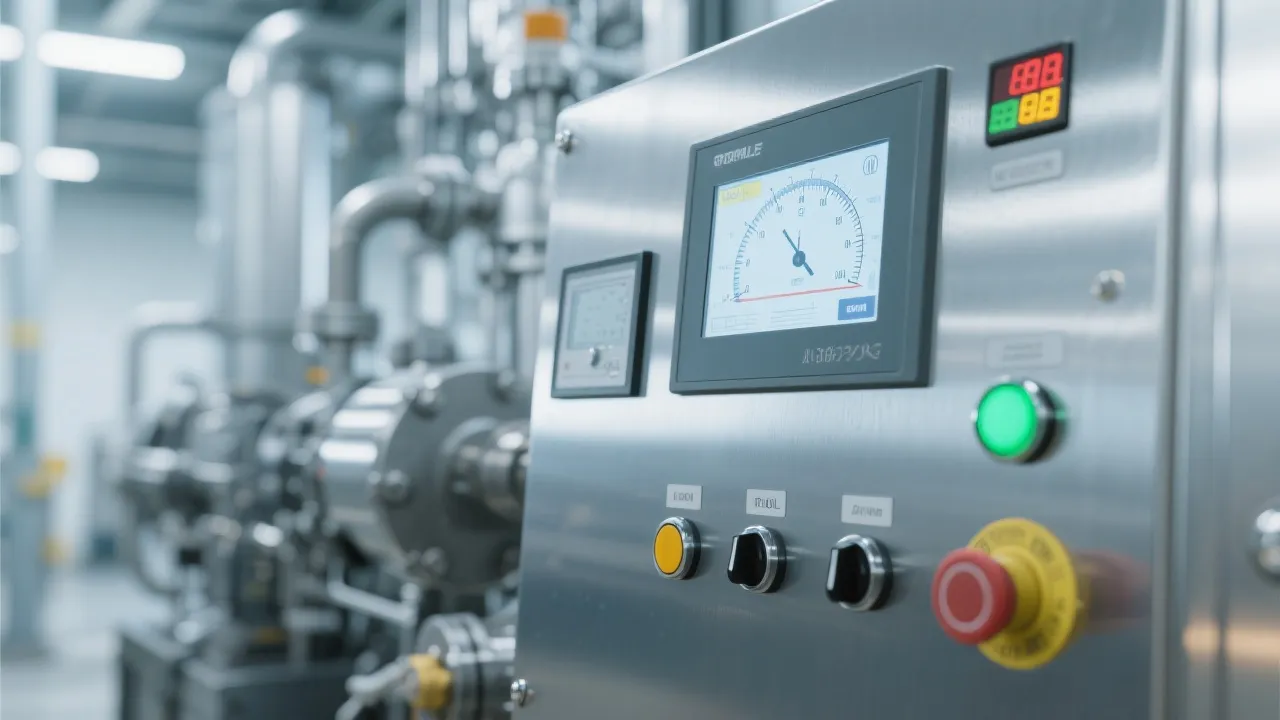
Remote monitoring allows you to access the PLC system from anywhere, reducing the need for on - site maintenance. This can significantly lower maintenance costs and shorten the fault response time. In traditional control systems, the average fault response time might be 2 - 3 hours, while with remote monitoring, it can be reduced to less than 30 minutes. Moreover, remote monitoring enables you to analyze historical data and predict potential failures, further improving the overall equipment efficiency.
| Indicator | Traditional Control | PLC Automatic Control |
|---|---|---|
| Energy Consumption | Higher by 15 - 20% | Lower |
| Goods Yield | About 90% | Over 95% |
| Downtime | Longer (2 - 3 hours on average for fault response) | Shorter (less than 30 minutes for fault response) |
With a PLC remote monitoring system, you can make every unit of energy count and achieve an OEE improvement of up to 20 - 30%. Your equipment can also run continuously for over 98% like our other customers.
Download the PLC Common Problem Self - Check Sheet and Start Optimizing Your Production Line Now!
 PLC automatic control system
edible oil production line
energy consumption reduction
fault troubleshooting
intelligent manufacturing
PLC control system for edible oil production
automated oil refining process
energy saving in oil extraction
industrial automation in food processing
fault diagnosis in PLC systems
sesame oil production line automation
PLC control system for food processing
automated oil extraction control
custom automation solutions for food plants
industrial control system optimization
rapeseed oil extraction process
cold pressing extraction
solvent extraction
oil yield and nutrition
edible oil production line
Automated sesame oil production line technology
Advantages of fully enclosed production system
Environmentally friendly and energy-saving grain and oil equipment
Automatic control of sesame oil production
High-purity sesame oil production
PLC automatic control system
edible oil production line
energy consumption reduction
fault troubleshooting
intelligent manufacturing
PLC control system for edible oil production
automated oil refining process
energy saving in oil extraction
industrial automation in food processing
fault diagnosis in PLC systems
sesame oil production line automation
PLC control system for food processing
automated oil extraction control
custom automation solutions for food plants
industrial control system optimization
rapeseed oil extraction process
cold pressing extraction
solvent extraction
oil yield and nutrition
edible oil production line
Automated sesame oil production line technology
Advantages of fully enclosed production system
Environmentally friendly and energy-saving grain and oil equipment
Automatic control of sesame oil production
High-purity sesame oil production
.jpg?x-oss-process=image/resize,h_800,m_lfit/format,webp)



.png?x-oss-process=image/resize,h_100,m_lfit/format,webp)
.png?x-oss-process=image/resize,h_100,m_lfit/format,webp)
.png?x-oss-process=image/resize,h_100,m_lfit/format,webp)