In the global edible oil manufacturing industry, unplanned downtime is a significant challenge that can lead to substantial financial losses and operational inefficiencies. This is where the PLC remote monitoring system steps in as a game - changer, especially for overseas factories. Let's explore how this system can optimize the operation of fully - automated rapeseed oil production lines and reduce unplanned downtime through real - world case studies.
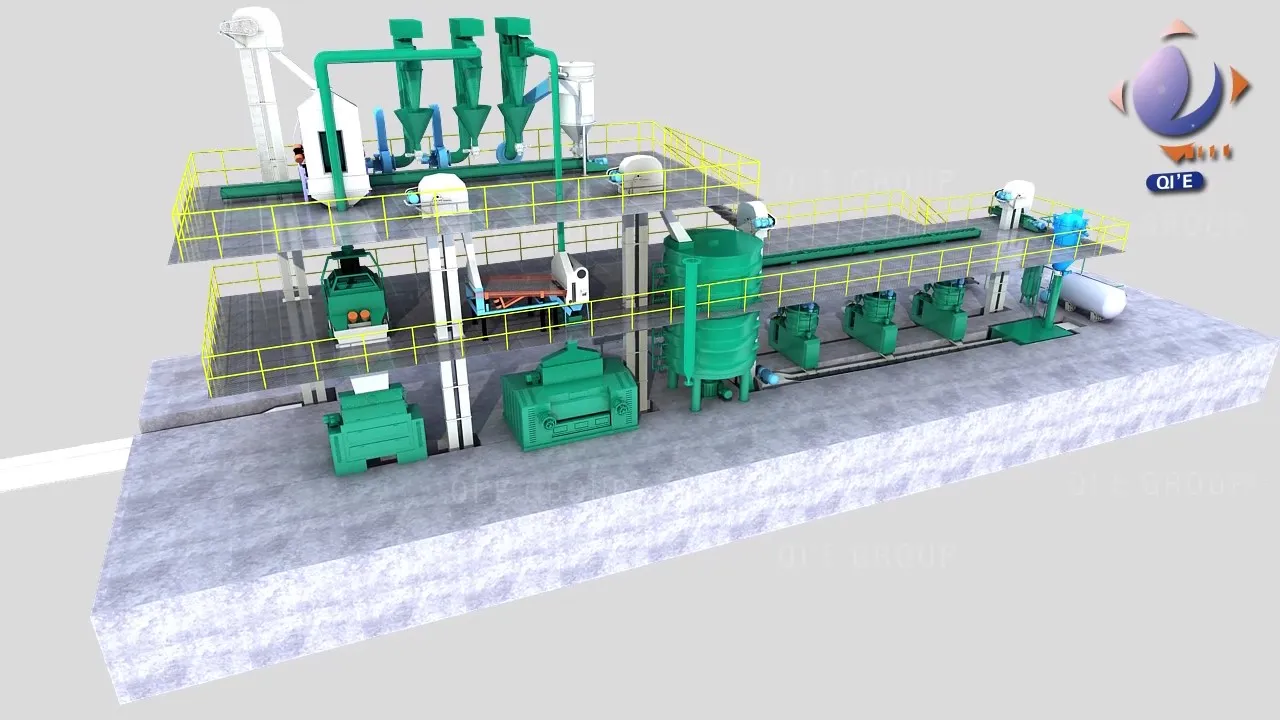
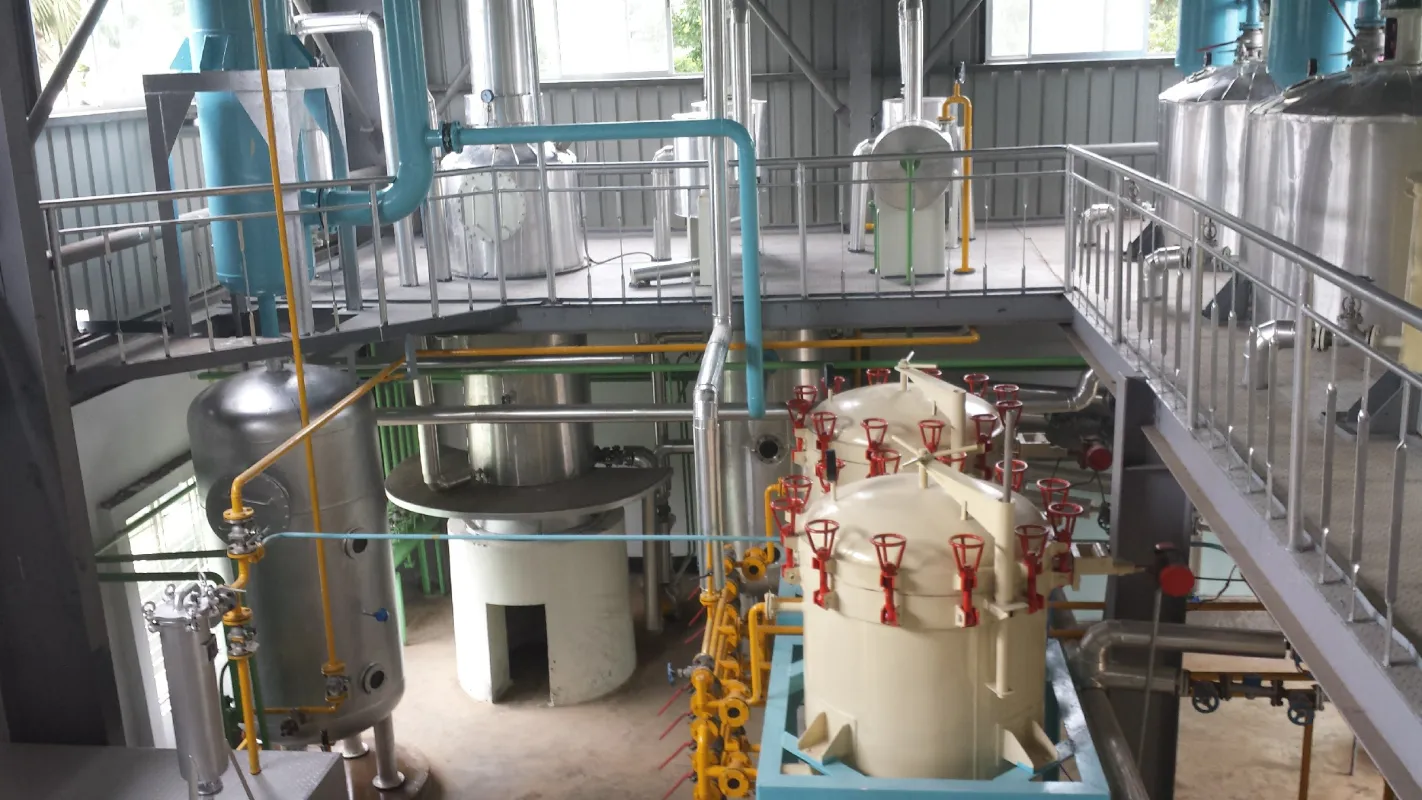
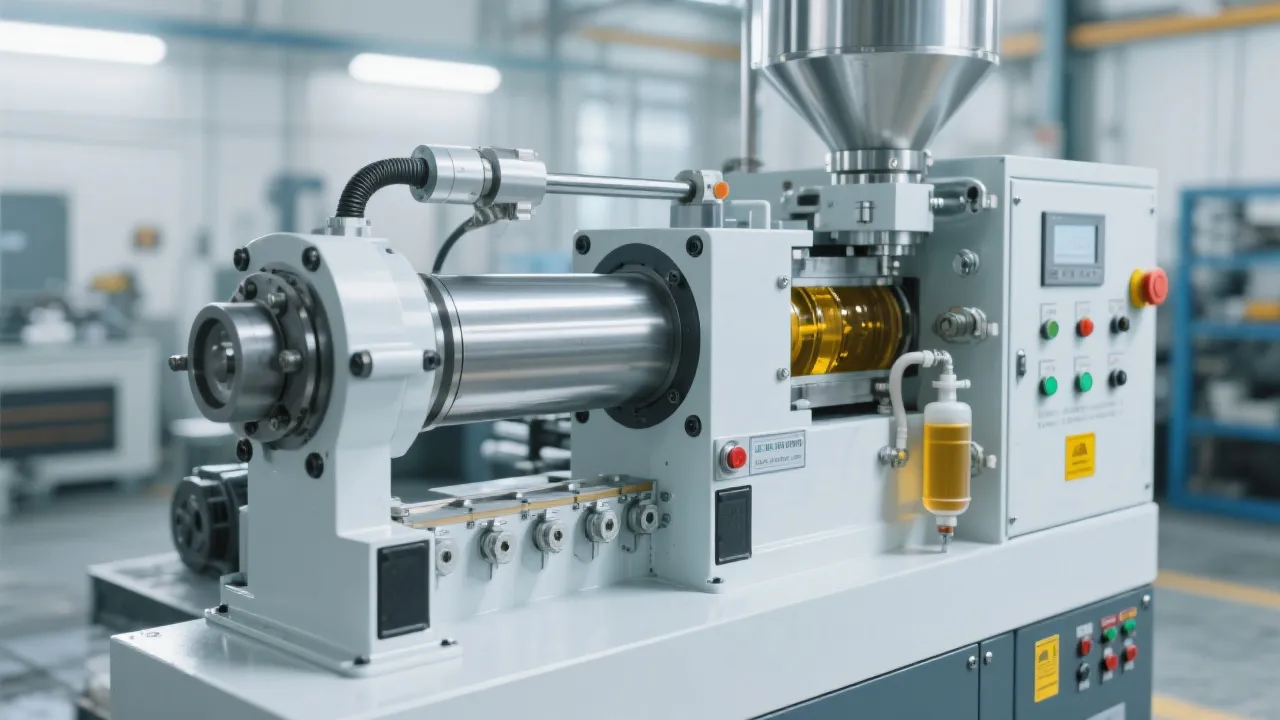
The fully - automated PLC control system plays a crucial role in various stages of the edible oil production line, including raw material pre - treatment, cold pressing, solvent extraction, refining, and filling. In raw material pre - treatment, the PLC system can automatically adjust parameters such as temperature and moisture content to ensure the quality of the raw materials. For example, in a real - world case, a factory reduced the raw material waste rate by 15% after implementing the PLC system in the pre - treatment stage. In the cold - pressing process, it precisely controls the pressure and speed of the press, improving the oil extraction rate. A specific case showed that the oil extraction rate increased from 38% to 42% with the help of the PLC system.

One of the key advantages of the PLC remote monitoring system is its ability to provide real - time data monitoring and fault early warning. In overseas factories, where on - site maintenance may be challenging, this feature becomes even more valuable. By continuously monitoring the operation data of equipment, the system can detect potential problems in advance and send out warnings. For instance, in a solvent extraction process, the system can monitor the temperature and pressure of the extraction tank. If the temperature exceeds the normal range, it will immediately send an alarm, allowing technicians to take preventive measures. In a particular case, the system successfully predicted 80% of potential equipment failures in the solvent extraction stage, significantly reducing unplanned downtime.
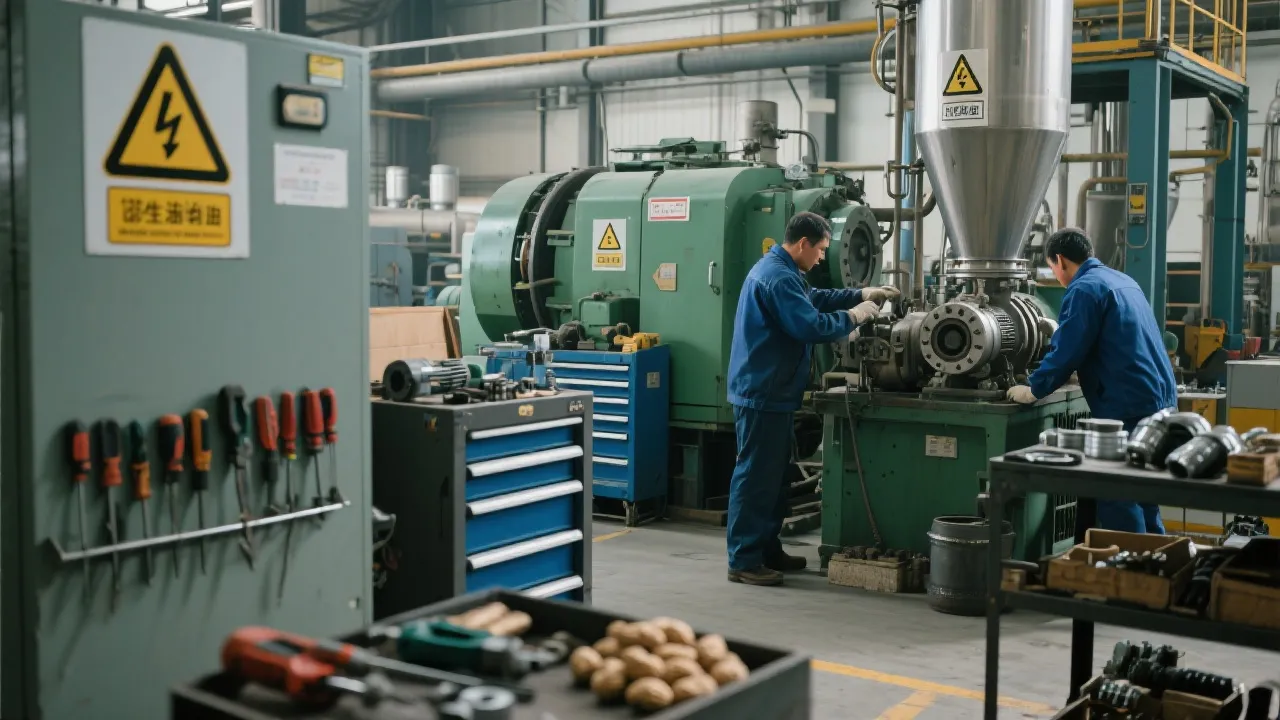
The PLC remote monitoring system also effectively addresses common problems in the production line. For example, motor synchronization deviation and sensor false alarms are frequent issues. By analyzing the real - time data, the system can identify the root cause of these problems. In a case of motor synchronization deviation, the system detected that the problem was due to a loose belt. After replacing the belt, the motor synchronization was restored, and the production line's stability was improved. As for sensor false alarms, the system can filter out interference signals through data analysis algorithms, reducing false alarms by up to 70%.
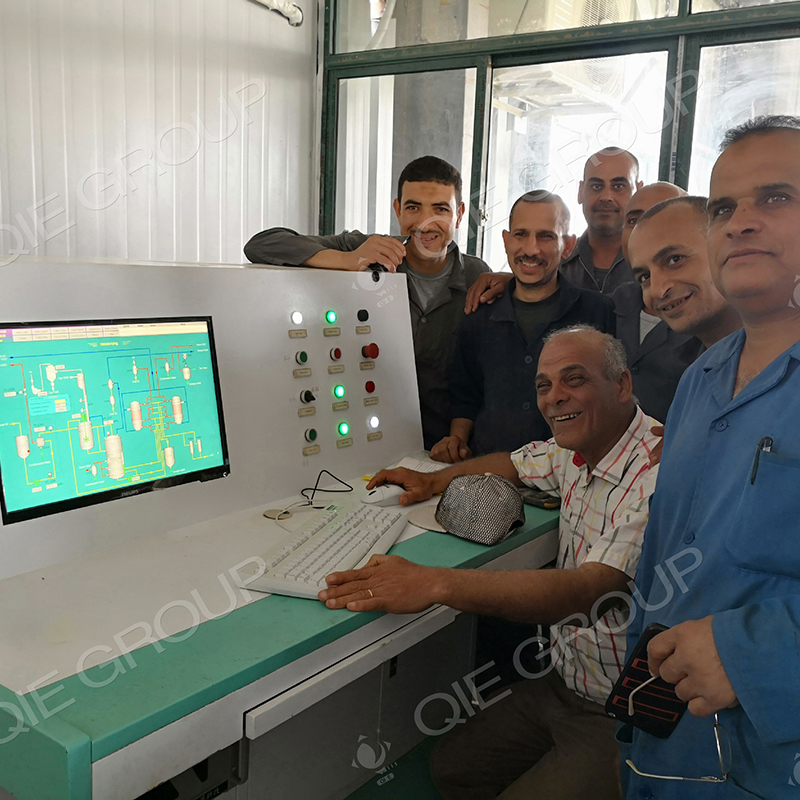
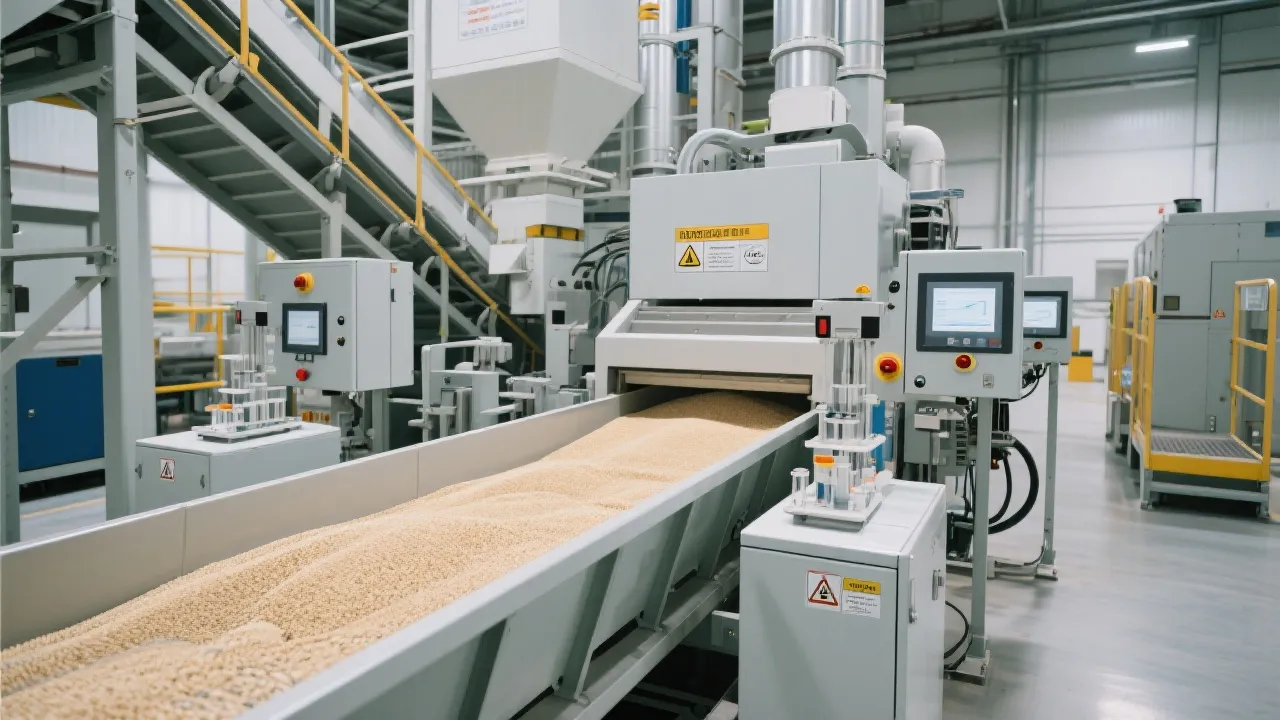
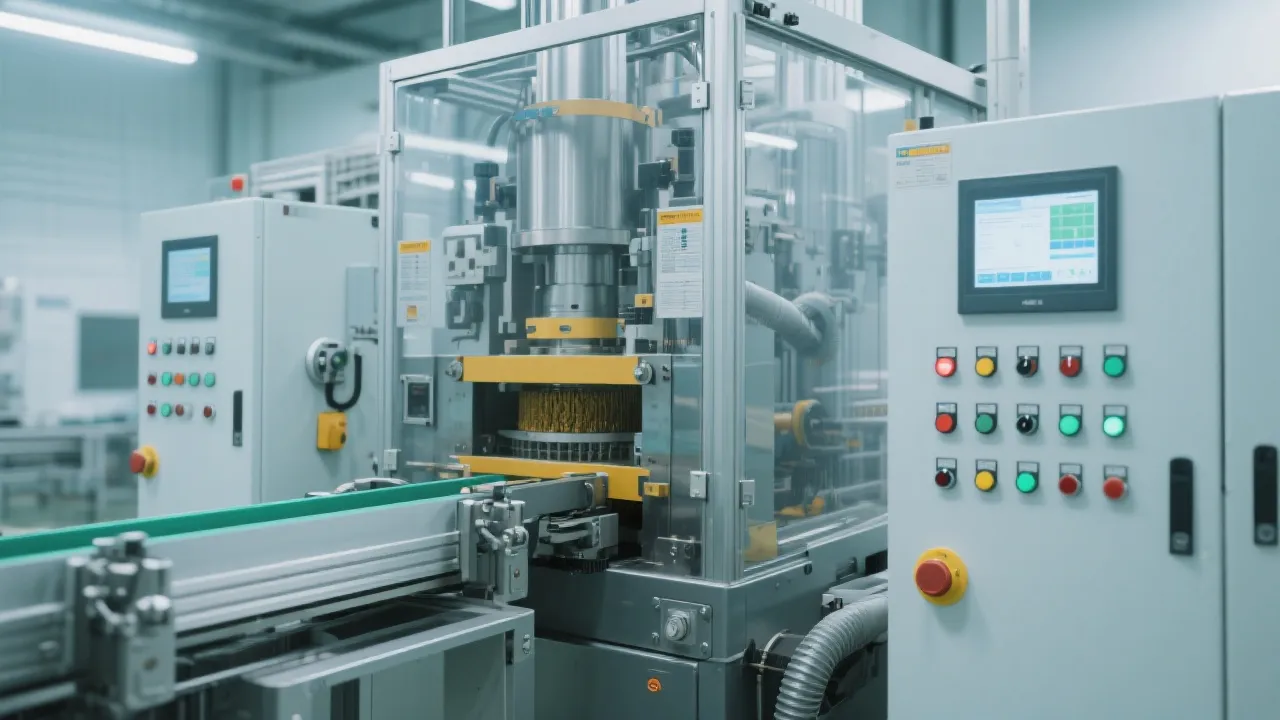
The architecture of the PLC system is designed to ensure its stability and reliability. It consists of a central control unit, sensors, actuators, and communication modules. The central control unit processes the data collected by sensors and sends control signals to actuators. Regular maintenance is essential for the proper operation of the system. Technicians should perform routine checks on sensors and communication modules, clean the equipment regularly, and update the system software. In a real - world scenario, a factory that followed a strict maintenance schedule reduced the system failure rate by 25%.
Our PLC remote monitoring system offers not only advanced technology but also comprehensive service support. Our professional team of experts can provide customized solutions according to your specific production needs. We have rich experience in the edible oil industry and can help you solve various problems in the production process. With our system, you can effectively reduce unplanned downtime, improve equipment stability, and increase production efficiency. Don't miss this opportunity to transform your production line into a more intelligent and efficient one.
Learn More About Our PLC Remote Monitoring System rapeseed oil production
cold pressing
solvent extraction
oil yield and nutrient retention
edible oil process comparison
Fully automatic sesame oil production line
Grain and oil machinery automation
Sesame oil production efficiency improvement
Sesame oil processing equipment
Food - grade enclosed production line
automated sesame oil production
fully enclosed production system
energy-efficient grain and oil machinery
automated sesame oil filling technology
eco-friendly sesame oil processing
Fully automated rapeseed oil production line
Cold pressing extraction
Solvent extraction process
Oil yield
Nutrient retention
Sesame oil production line automatic control
PLC parameter optimization
Fault troubleshooting manual
Automation control scheme
Production line maintenance guide
rapeseed oil production
cold pressing
solvent extraction
oil yield and nutrient retention
edible oil process comparison
Fully automatic sesame oil production line
Grain and oil machinery automation
Sesame oil production efficiency improvement
Sesame oil processing equipment
Food - grade enclosed production line
automated sesame oil production
fully enclosed production system
energy-efficient grain and oil machinery
automated sesame oil filling technology
eco-friendly sesame oil processing
Fully automated rapeseed oil production line
Cold pressing extraction
Solvent extraction process
Oil yield
Nutrient retention
Sesame oil production line automatic control
PLC parameter optimization
Fault troubleshooting manual
Automation control scheme
Production line maintenance guide
.jpg?x-oss-process=image/resize,h_800,m_lfit/format,webp)


.png?x-oss-process=image/resize,h_100,m_lfit/format,webp)
.png?x-oss-process=image/resize,h_100,m_lfit/format,webp)
.png?x-oss-process=image/resize,h_100,m_lfit/format,webp)