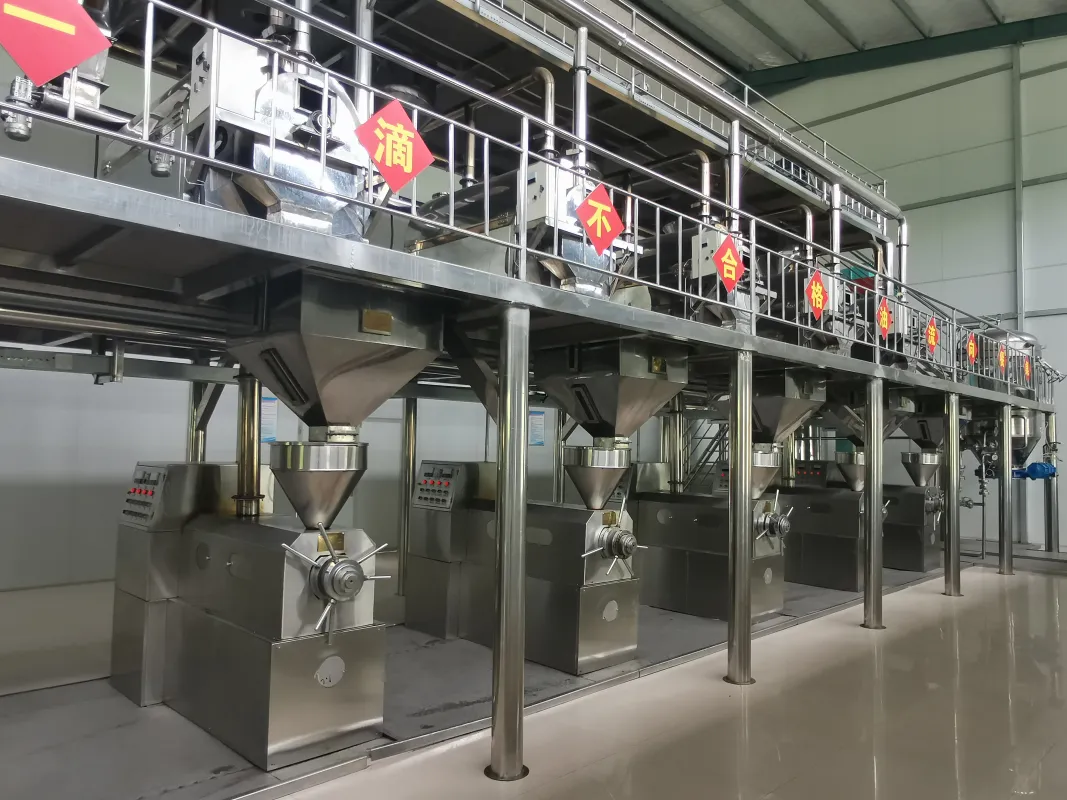
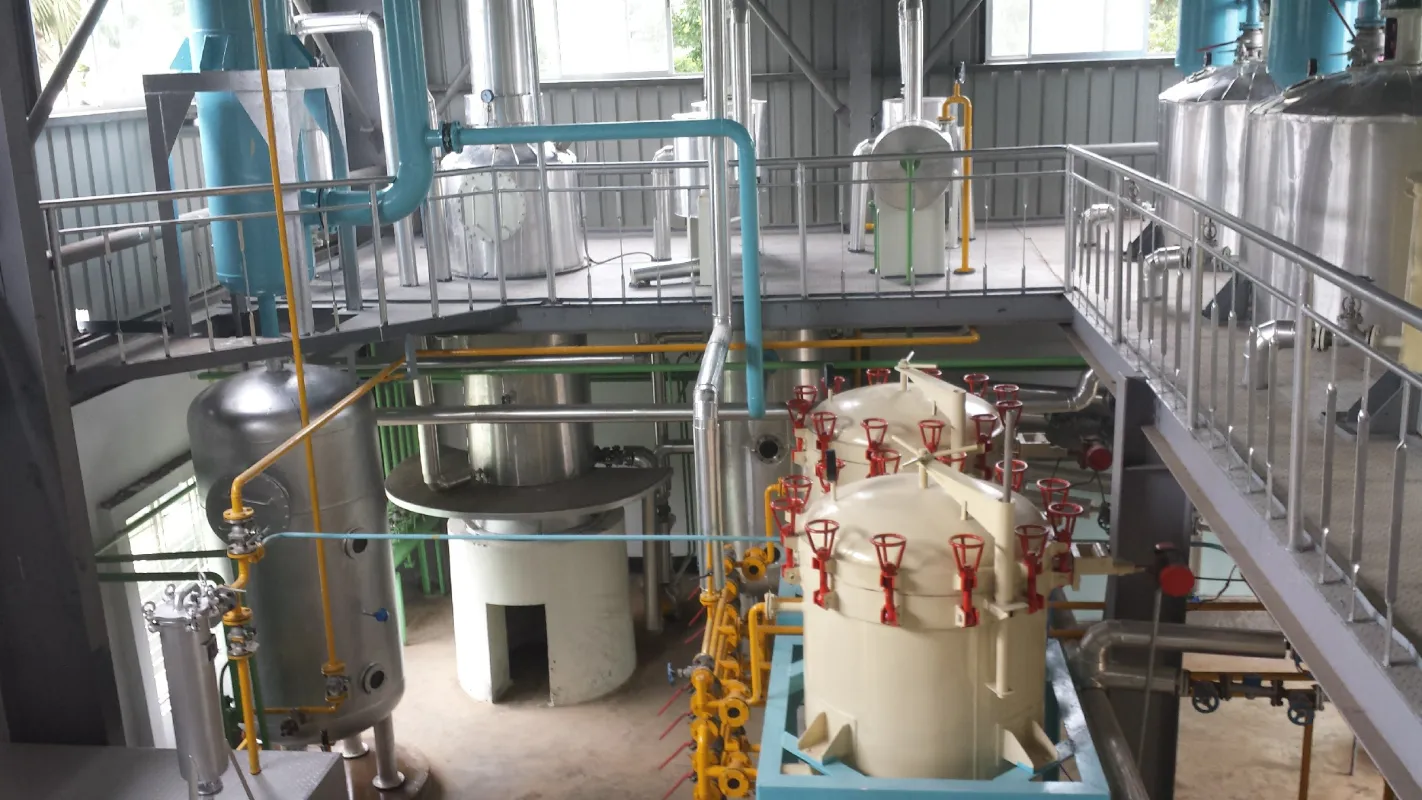
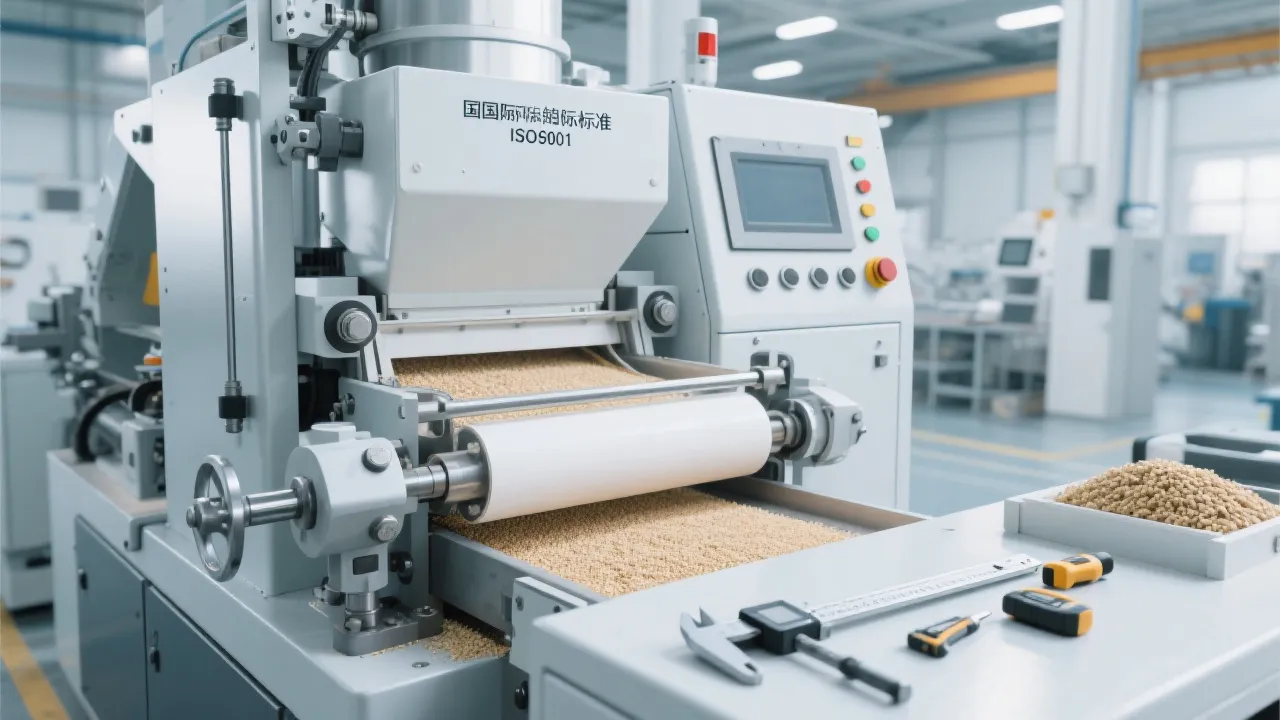
You're likely familiar with the challenge: even a 3–5°C deviation in pressing temperature can reduce oil yield by up to 7% and degrade key nutrients like tocopherols and phytosterols in rapeseed oil. That’s why modern edible oil plants are turning to PLC-based closed-loop control systems—not just as an upgrade, but as a necessity for consistent quality and operational efficiency.
Unlike traditional manual temperature regulation—which relies on operator experience and periodic checks—a PLC system continuously monitors real-time data from high-precision sensors placed inside the press chamber. With built-in PID (Proportional-Integral-Derivative) algorithms, it dynamically adjusts heating power and cooling mechanisms to maintain the optimal range of 40–60°C. This ensures that your raw material stays within its ideal thermal window throughout the entire pressing cycle.
For example, one of our clients in India reported a 92% reduction in batch-to-batch variability after implementing this solution. Their average oil extraction rate increased from 38% to 42%, while oxidative stability improved significantly—validated by lab tests showing lower free fatty acid levels (<0.5%) across all production runs.
Manual adjustments often lead to overshoots or undershoots—especially during seasonal changes or when switching between different batches of rapeseed. In contrast, a well-programmed PLC system learns from historical patterns and adapts automatically. It doesn’t just react—it anticipates.
Our engineers recommend starting with a 3-step calibration process:
This approach helped a Turkish manufacturer cut energy costs by 14% over three months while improving product consistency—proving that smart automation isn’t just about precision, but also sustainability.
To keep your system running smoothly, create a simple checklist:
We’ve developed a printable PDF troubleshooting flowchart that helps your team resolve common issues—from sensor drift to actuator failure—in under 15 minutes. Download it now to streamline your maintenance routine.
Whether you’re scaling up production or optimizing existing lines, integrating PLC-based temperature control is no longer optional—it’s how top-tier manufacturers ensure stable yields, superior taste profiles, and long-term profitability.
Get access to our full PLC integration toolkit—including technical specs, sample code, and expert support—to help you launch faster and operate smarter.
Download the Free PLC Integration Toolkit fully automated sesame oil production
grain and oil machinery automation
sesame oil production efficiency
ISO9001 certification
food safety automation
Sesame oil production line automatic control
PLC parameter tuning
Automation equipment maintenance
Fault troubleshooting manual
Preventive maintenance checklist
automated sesame oil production line technology
fully enclosed sesame oil processing system
energy-efficient oil extraction equipment
sesame oil production automation solutions
grain oil processing automation control
PLC control system
edible oil production line automation
sensor false alarms troubleshooting
motor synchronization deviation diagnosis
edible oil manufacturing maintenance
sesame oil production automation
PLC parameter tuning
industrial control system troubleshooting
sensor calibration in food processing
automated yield optimization
fully automated sesame oil production
grain and oil machinery automation
sesame oil production efficiency
ISO9001 certification
food safety automation
Sesame oil production line automatic control
PLC parameter tuning
Automation equipment maintenance
Fault troubleshooting manual
Preventive maintenance checklist
automated sesame oil production line technology
fully enclosed sesame oil processing system
energy-efficient oil extraction equipment
sesame oil production automation solutions
grain oil processing automation control
PLC control system
edible oil production line automation
sensor false alarms troubleshooting
motor synchronization deviation diagnosis
edible oil manufacturing maintenance
sesame oil production automation
PLC parameter tuning
industrial control system troubleshooting
sensor calibration in food processing
automated yield optimization


.png?x-oss-process=image/resize,h_100,m_lfit/format,webp)
.png?x-oss-process=image/resize,h_100,m_lfit/format,webp)
.png?x-oss-process=image/resize,h_100,m_lfit/format,webp)