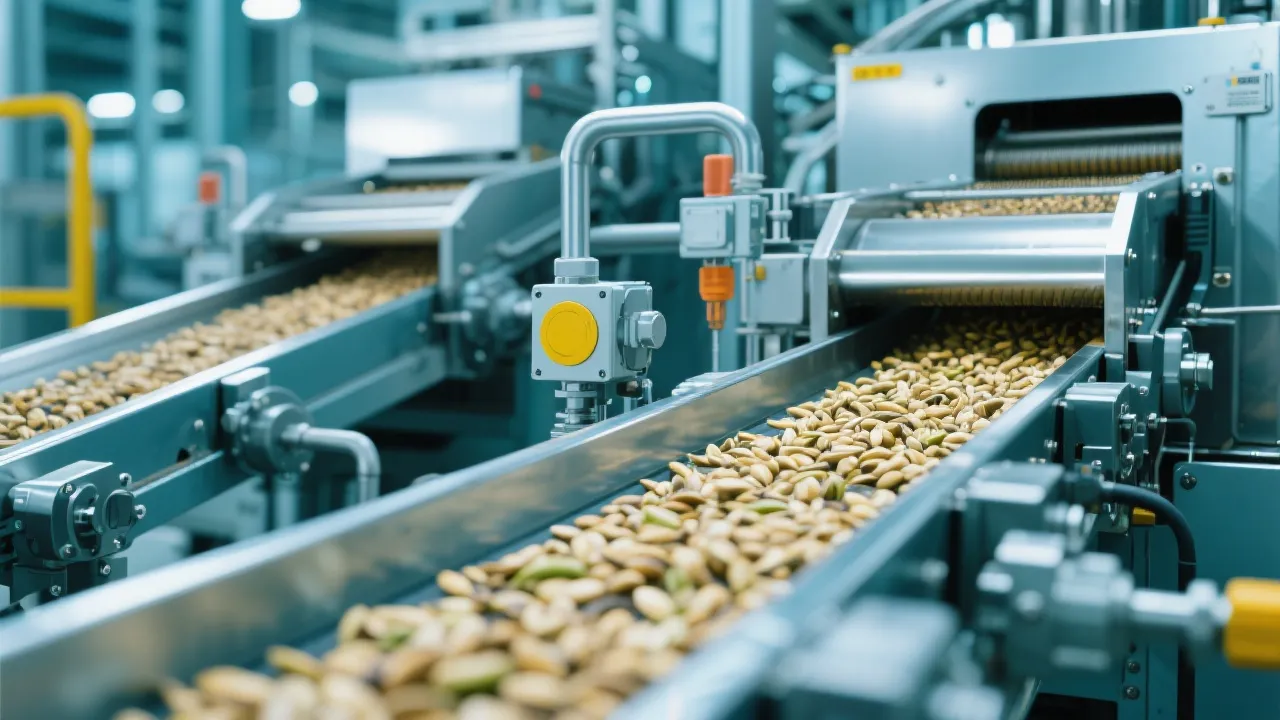
In the global B2B edible oil manufacturing industry, choosing the right production process is crucial for enhancing product added - value and market competitiveness. This article delves into the core differences and advantages between the cold - pressing process and solvent extraction technology in rapeseed oil production, aiming to provide a scientific basis for decision - making for B2B edible oil manufacturers.
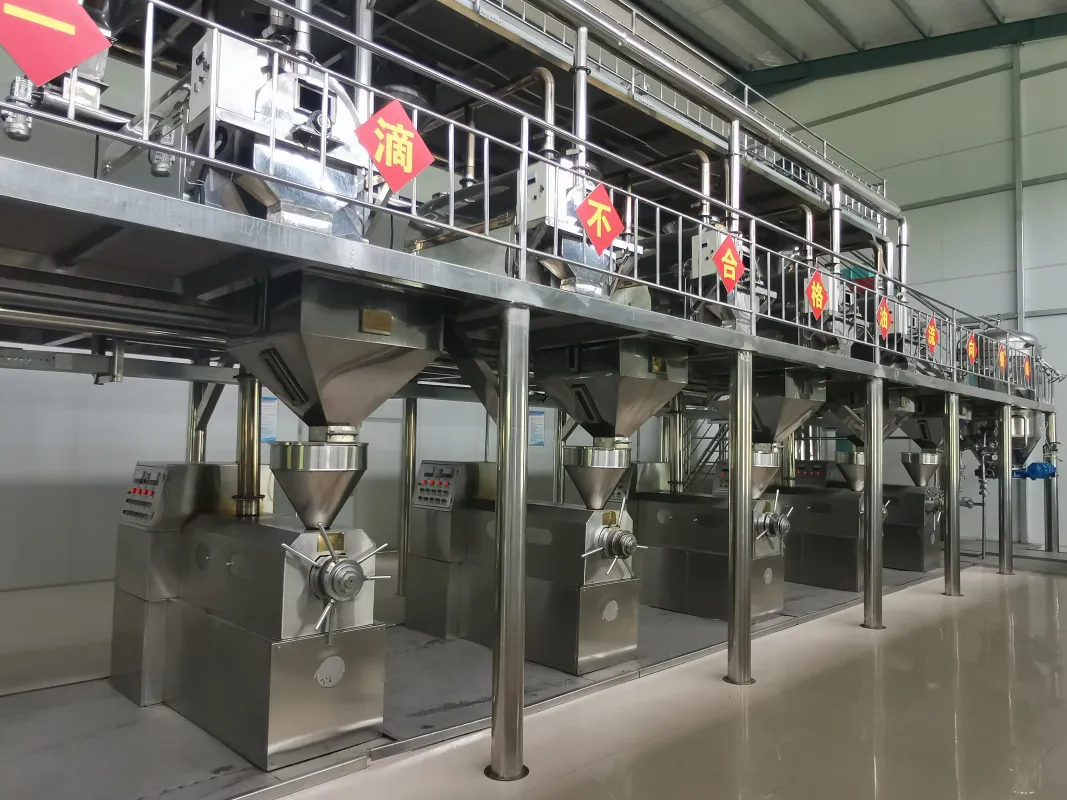
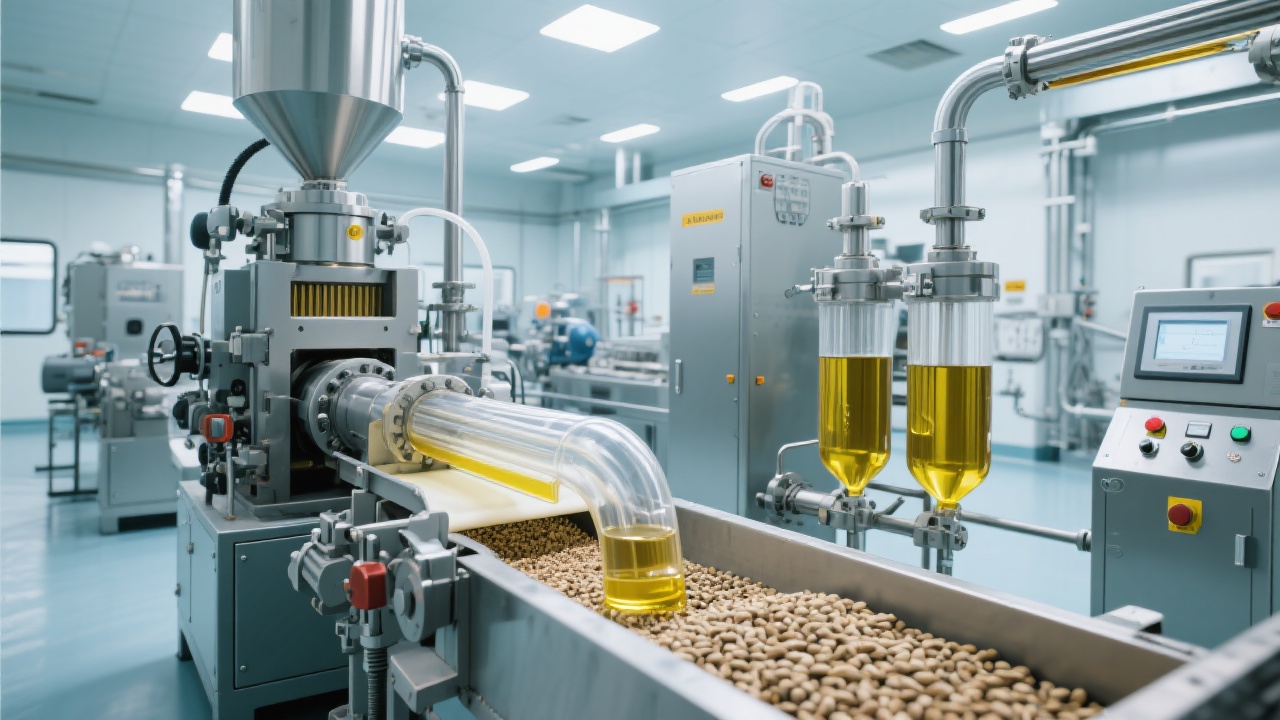
The cold - pressing process of rapeseed oil involves pressing rapeseeds at a relatively low temperature, usually below 60°C. This low - temperature operation helps to preserve the natural nutrients and flavors of rapeseeds. For example, it can retain up to 90% of the original vitamins and antioxidants in rapeseeds. In contrast, solvent extraction technology uses chemical solvents, such as hexane, to extract oil from rapeseeds. The extraction process often requires higher temperatures, which may lead to the loss of some nutrients. Studies show that the nutrient retention rate of solvent - extracted rapeseed oil is about 70%.
To better understand the differences between the two processes, we have made a multi - dimensional comparison in the following table:
| Comparison Items | Cold - Pressing Process | Solvent Extraction Technology |
|---|---|---|
| Nutrient Retention Rate | Up to 90% | About 70% |
| Energy Consumption | Relatively low, about 30 - 50 kWh per ton of rapeseeds | Relatively high, about 80 - 120 kWh per ton of rapeseeds |
| Equipment Complexity | Simple, mainly including presses and filters | Complex, involving solvent recovery systems and other auxiliary equipment |
| Product Stability | Good, due to less oxidation during the process | Relatively poor, as high - temperature extraction may cause some oxidation |
For small - scale factories with an annual production capacity of less than 10,000 tons, the cold - pressing process is a more suitable choice. It has lower equipment investment and energy consumption, and can produce high - quality rapeseed oil for niche markets. For example, a small factory in Europe adopted the cold - pressing process and successfully entered the high - end health food market, increasing its profit margin by 20%.
Large - scale factories with an annual production capacity of more than 50,000 tons may consider using solvent extraction technology to ensure high - volume production. However, they can also combine the cold - pressing process to produce high - end products for different market segments. A large - scale factory in Asia used a combination of the two processes and increased its market share by 15%.
One of our anonymous customers, a medium - sized rapeseed oil manufacturer, was struggling to choose between the two processes. After in - depth analysis, they decided to adopt the cold - pressing process for their new product line. As a result, their new product was well - received in the market, and their sales volume increased by 30% within a year.

We encourage you to leave your questions in the comment section below. We will use your feedback to continuously improve our content and provide more valuable information.
Get Detailed Technical Information on Rapeseed Oil Cold - Pressing Process Now!


.png?x-oss-process=image/resize,h_100,m_lfit/format,webp)
.png?x-oss-process=image/resize,h_100,m_lfit/format,webp)
.png?x-oss-process=image/resize,h_100,m_lfit/format,webp)