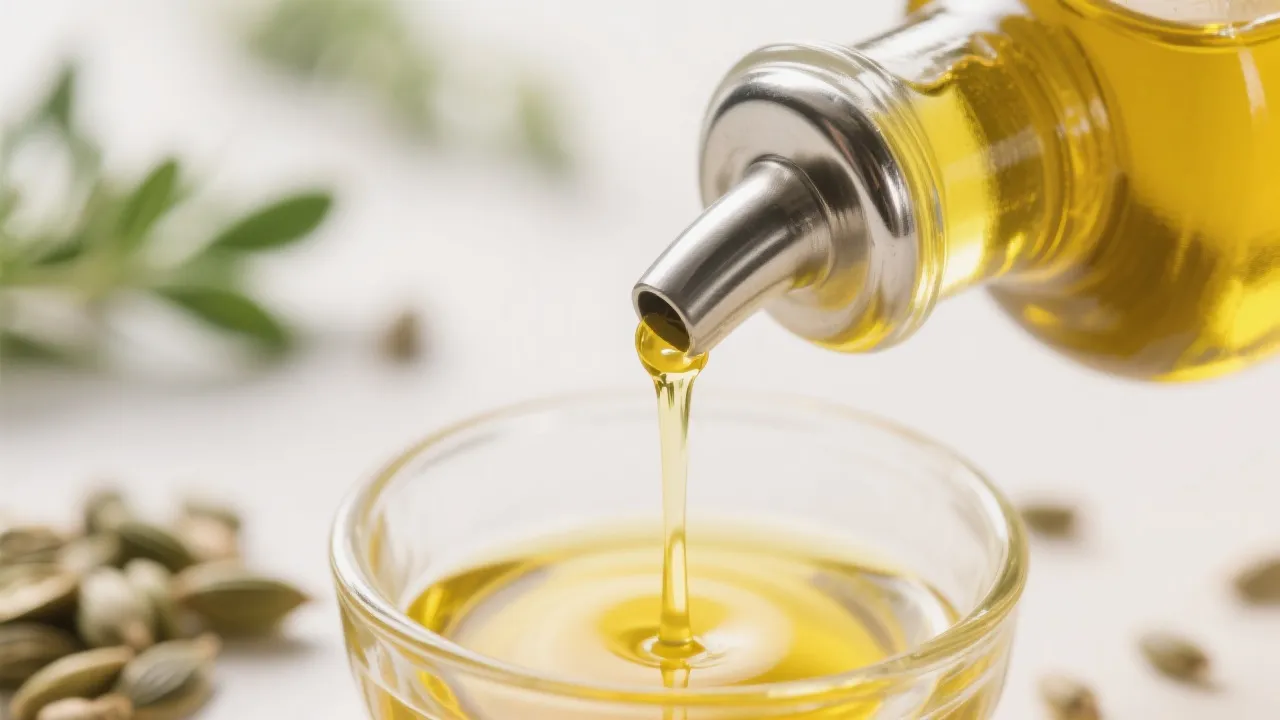
In the B2B edible oil manufacturing sector, the choice of rapeseed oil extraction process is a critical decision that can significantly impact a company's product quality, production efficiency, and market competitiveness. This article aims to provide a comprehensive analysis of the two main extraction processes - cold pressing and solvent extraction - to help B2B manufacturers make informed decisions.
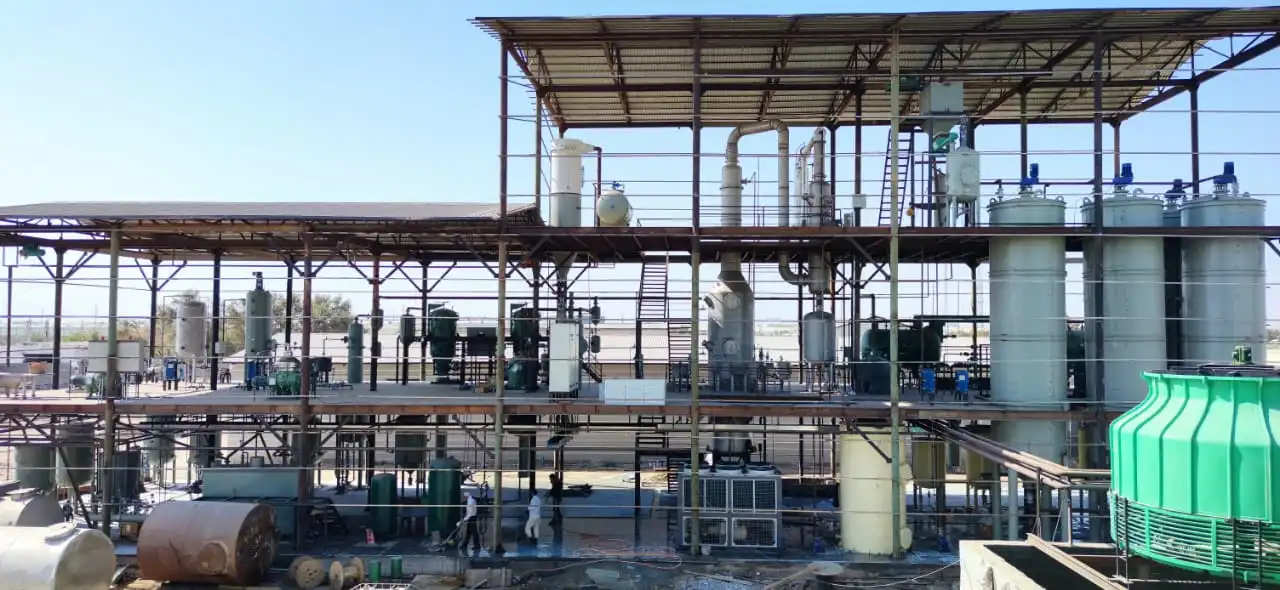
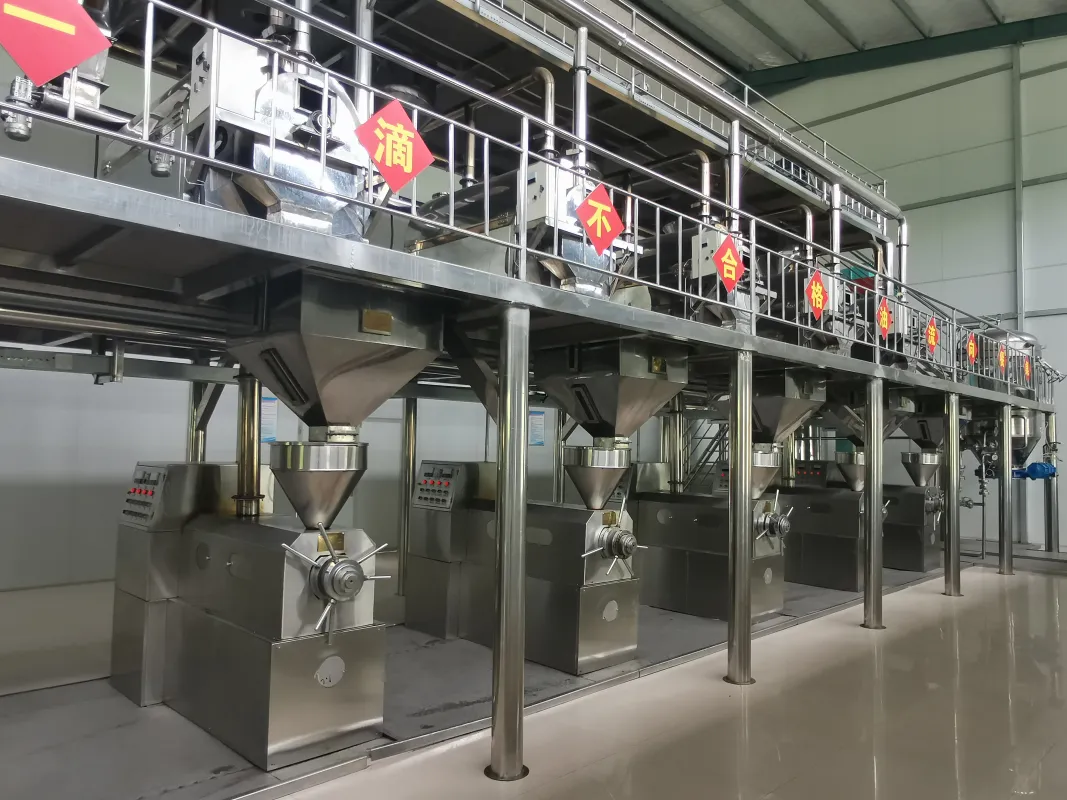
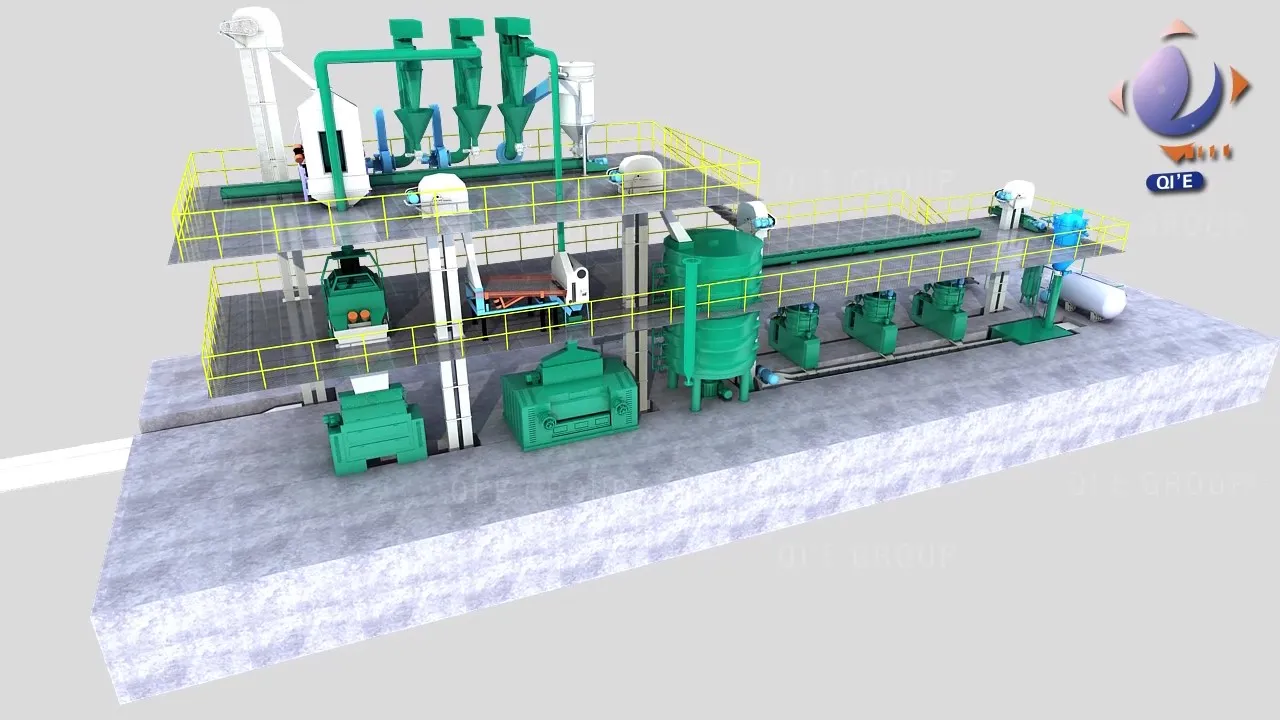
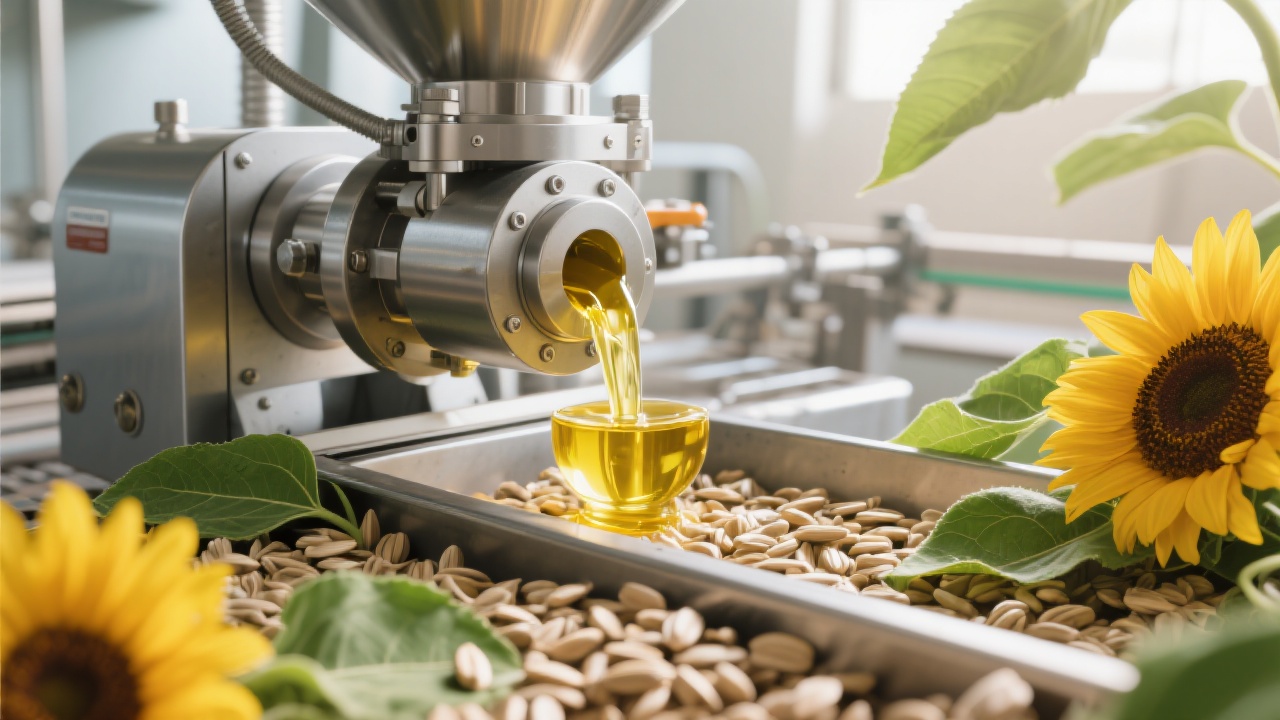
Let's start by demystifying the fundamental principles of cold pressing and solvent extraction. Cold pressing is a mechanical process that involves applying pressure to rapeseeds to extract oil. It operates at relatively low temperatures, typically below 50°C, which helps preserve the natural flavor, aroma, and nutritional value of the oil. The process can be visualized as follows:
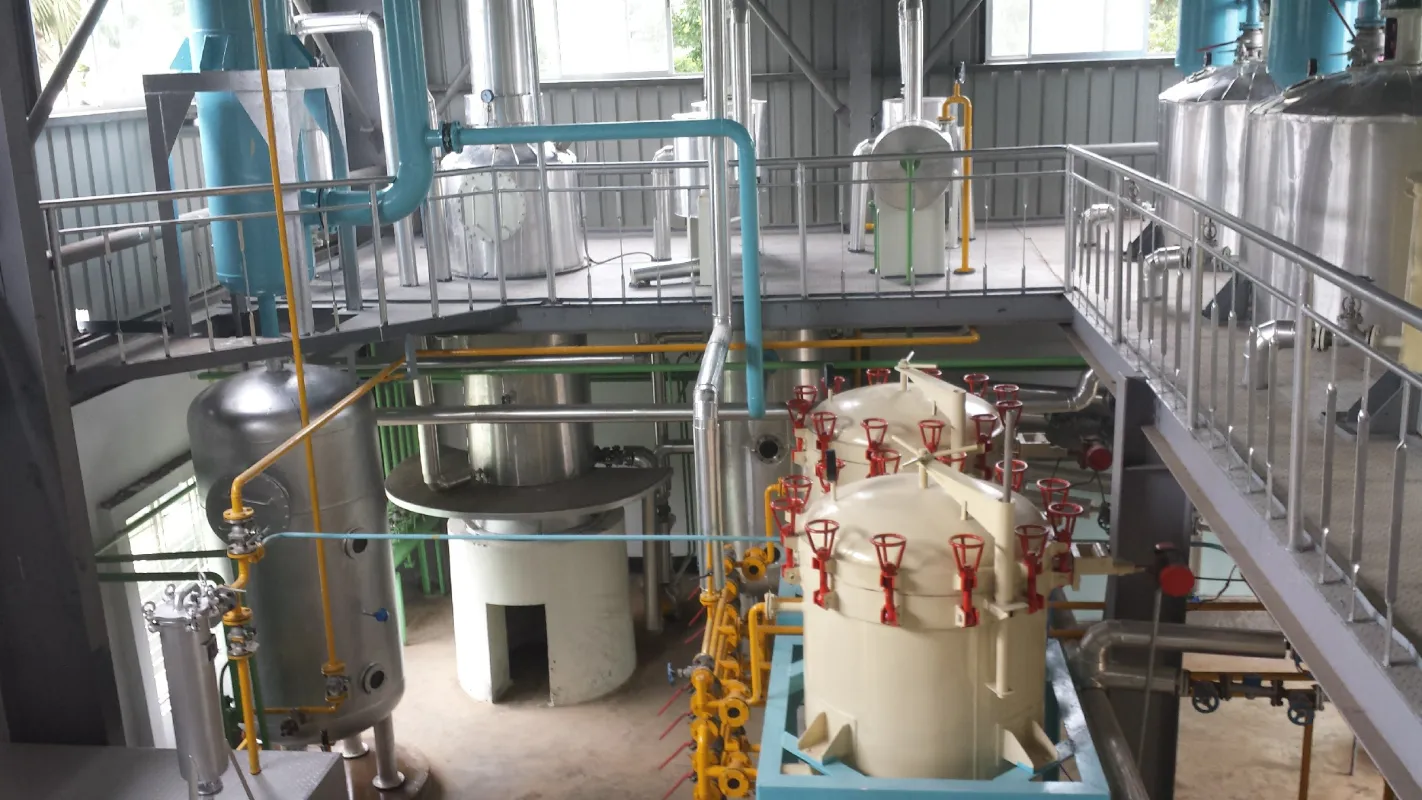
On the other hand, solvent extraction uses a chemical solvent, usually hexane, to dissolve the oil from the rapeseeds. The solvent is then evaporated to separate the oil. This process is more complex and involves several steps, but it can achieve higher oil yields. Here is a simple flowchart to illustrate the solvent extraction process:
To better understand the differences between cold pressing and solvent extraction, let's compare them across several key dimensions in the following table:
| Dimension | Cold Pressing | Solvent Extraction |
|---|---|---|
| Nutrient Retention | High. Preserves vitamin E, phytosterols, and other antioxidants. | Lower. Some nutrients may be lost during the extraction process. |
| Energy Consumption | Relatively low. Requires less energy for mechanical pressing. | Higher. Involves heating and evaporation steps, consuming more energy. |
| Equipment Investment | Lower. Simple mechanical equipment is sufficient. | Higher. Requires specialized equipment for solvent handling and recovery. |
| Product Stability | Lower. Prone to oxidation due to the presence of natural antioxidants. | Higher. The refining process can improve product stability. |
Different production capacities have different requirements for the extraction process. For small and medium - scale factories, cold pressing may be a more suitable option. It has lower equipment investment and can produce high - quality, nutrient - rich oil that appeals to the niche market of health - conscious consumers. According to a report from the International Olive Council, small - scale producers using cold pressing methods have seen an increase in product value by up to 30% due to the perceived health benefits of their oils.
For large - scale industrial production, solvent extraction is often the preferred choice. It offers higher oil yields and better cost control, which are crucial for meeting the high - volume demands of the market. A large - scale rapeseed oil manufacturer in Canada reported that by switching to solvent extraction, they were able to increase their annual production by 50% while reducing production costs by 20%.
Let's look at a real - world example. A European B2B edible oil manufacturer with a medium - sized production facility was facing a dilemma in choosing the extraction process. Initially, they used cold pressing to produce high - end rapeseed oil for the health food market. However, as the demand for their product increased, they found it difficult to meet the volume requirements while maintaining profitability. After careful analysis, they decided to introduce a solvent extraction line for their mainstream products, while still retaining the cold - pressing process for their premium products. This strategic decision allowed them to expand their market share while maintaining the quality of their high - end offerings.
According to a study by the Food and Agriculture Organization (FAO), the global demand for rapeseed oil is expected to grow by 2% annually over the next five years. This growth is driven by the increasing popularity of healthy cooking oils and the expanding food processing industry. In the context of this growing demand, choosing the right extraction process is more important than ever. The study also shows that cold - pressed rapeseed oil accounts for approximately 15% of the total market, but its market share is growing steadily due to the increasing consumer preference for natural and healthy products.
We encourage you to share your thoughts and experiences in the comments section below. Have you faced similar challenges in choosing the rapeseed oil extraction process? What factors did you consider?
To further assist you in making a well - informed decision, we invite you to download our complete process comparison PDF guide, which provides in - depth analysis, more case studies, and detailed technical information.


.png?x-oss-process=image/resize,h_100,m_lfit/format,webp)
.png?x-oss-process=image/resize,h_100,m_lfit/format,webp)
.png?x-oss-process=image/resize,h_100,m_lfit/format,webp)