Rapeseed oil stands as a cornerstone in the global edible oil market, prized not only for its versatile culinary applications but also for its rich composition of nutritive compounds such as Vitamin E and phytosterols. These bioactive components contribute significantly to oil stability and offer compelling health benefits, including antioxidant properties and cholesterol-lowering effects. However, for B2B edible oil manufacturers, the central challenge remains balancing high oil yield with maximum nutritional retention. Different extraction technologies, notably cold pressing and solvent extraction, exhibit distinct profiles affecting these outcomes.
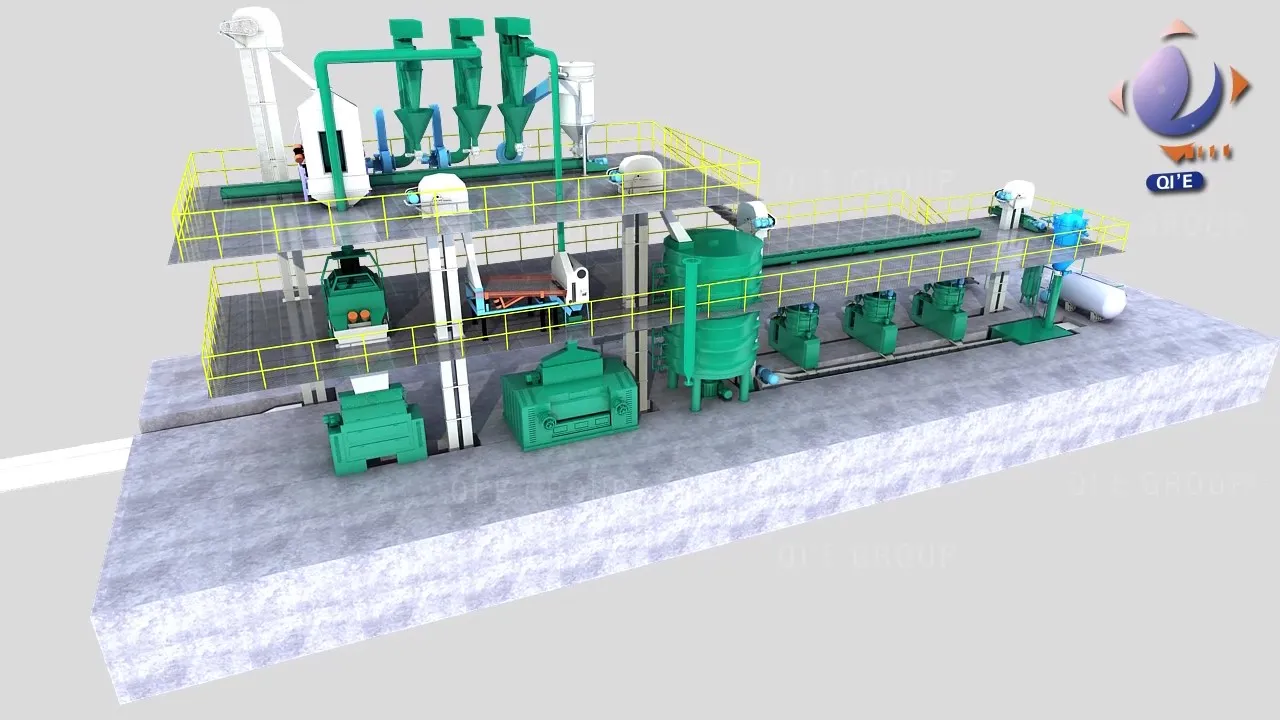
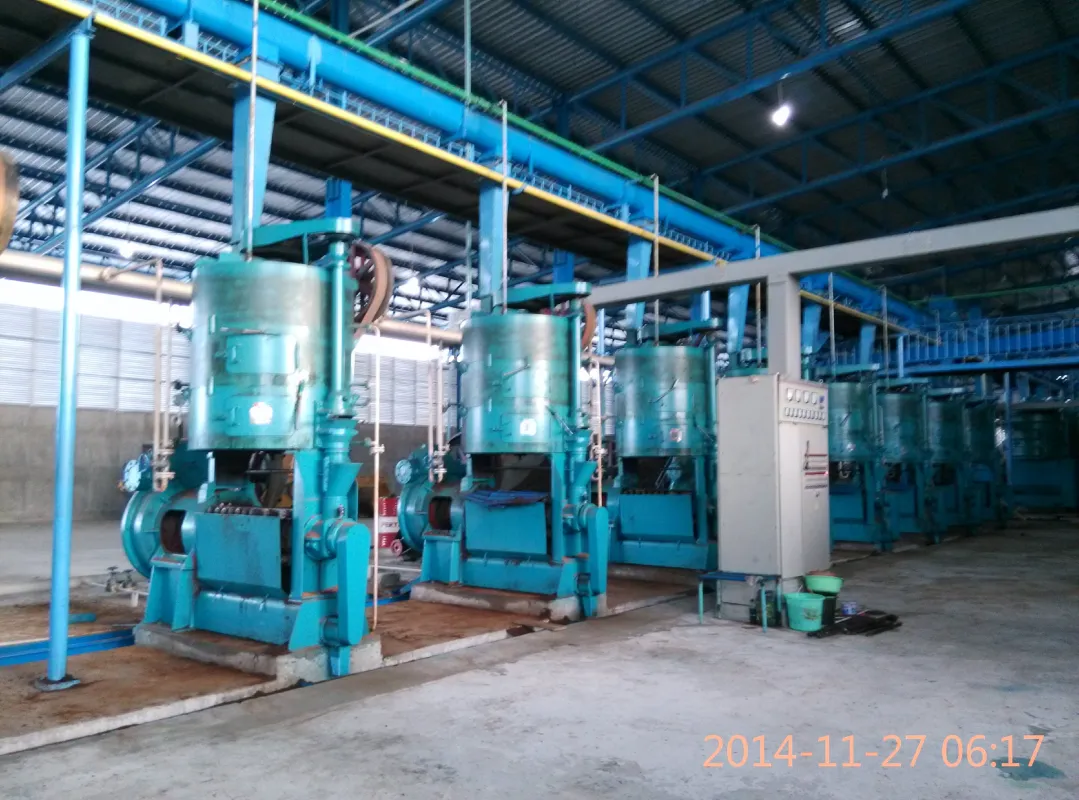
Cold pressing is a mechanical extraction process that gently presses the rapeseed at low temperatures, usually under 50°C, preserving heat-sensitive nutrients but yielding relatively less oil per batch. It involves minimal processing steps and avoids chemical solvents.
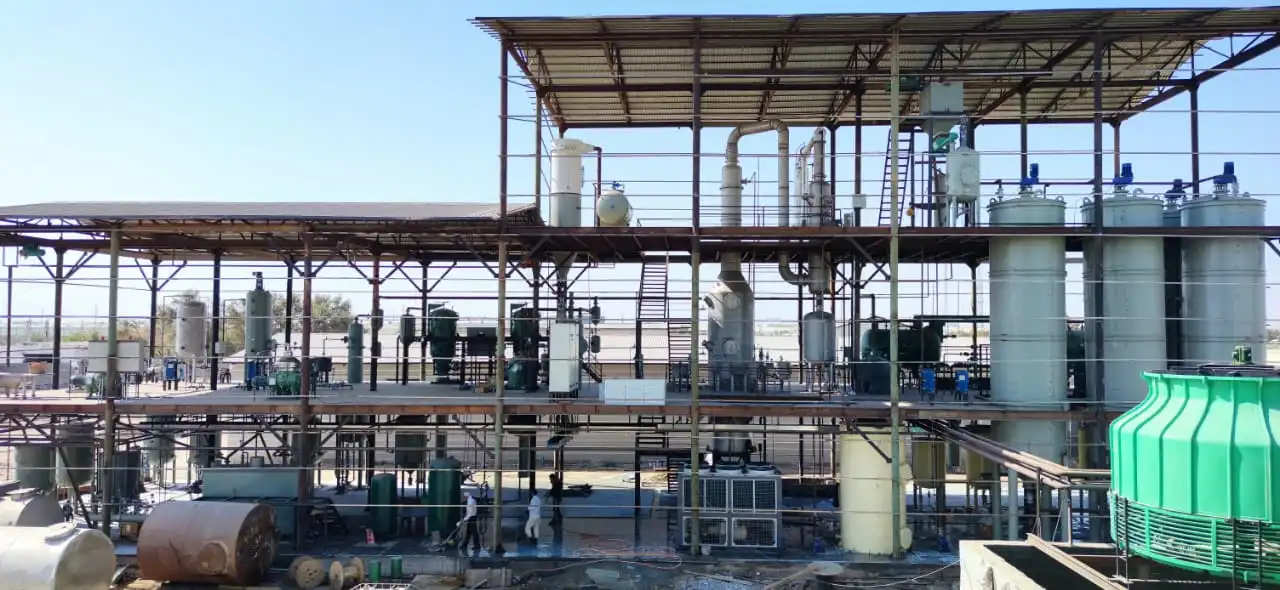
Solvent extraction, predominantly utilizing hexane, employs chemical solvents to dissolve oil from the rapeseed cake after an initial pressing. This approach delivers higher extraction efficiency and greater overall yield but risks nutrient degradation due to heat and chemical exposure.
| Parameter | Cold Pressing | Solvent Extraction |
|---|---|---|
| Oil Yield (%) | 38–42% | 45–48% |
| Vitamin E Retention (%) | ~85–90% | ~65–75% |
| Phytosterols Retention (%) | ~80–88% | ~60–70% |
| Energy Consumption (kWh/ton) | ~250–300 | ~400–450 |
| Equipment Complexity | Low to Medium | High |
| Product Stability | Better (due to natural antioxidants) | Moderate (nutrient loss affects stability) |
According to the latest FAO report (2023), nutrient retention during oil extraction directly correlates with consumer acceptability and health outcomes, emphasizing the importance of tailoring production technology to market demands.
For small to medium-sized manufacturers, where product differentiation and nutritional integrity drive branding, cold pressing offers a compelling advantage despite its somewhat lower yield. Its simpler setup and lower operational complexity also minimize upfront capital expenditure.
Conversely, large scale operations prioritizing volume and cost-effectiveness often adopt solvent extraction. While nutrient losses are an acknowledged tradeoff, advanced refining techniques and blending strategies partly mitigate these effects at scale.
A leading mid-sized manufacturer specializing in organic rapeseed oils recently switched to cold pressing. They reported a 15% increase in Vitamin E retention compared to prior solvent extraction processes, resulting in higher market premiums and consumer trust. Another large-scale producer in Eastern Europe optimized their solvent extraction parameters, balancing yield with a refined process to recover over 68% of phytosterols, thereby sustaining product quality while maximizing output.
Note: Nutrient retention percentages and operational data are indicative averages based on aggregated industry benchmarks and recent academic publications.
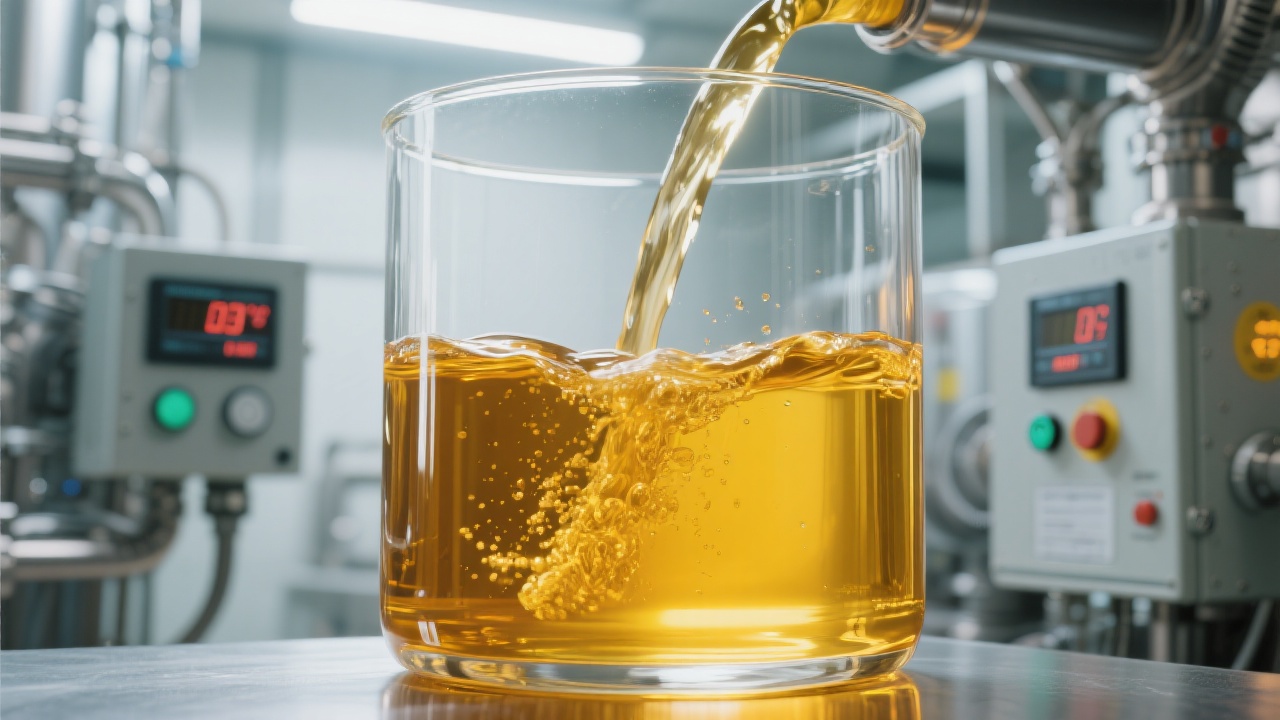
For manufacturers eager to deepen their understanding of rapeseed oil technologies and make scientifically informed decisions, a detailed technical report is available. This guide includes expanded data tables, lifecycle cost analyses, and case study documentation to empower your strategic planning.
Access the Full Rapeseed Oil Extraction Process Comparison PDF Guide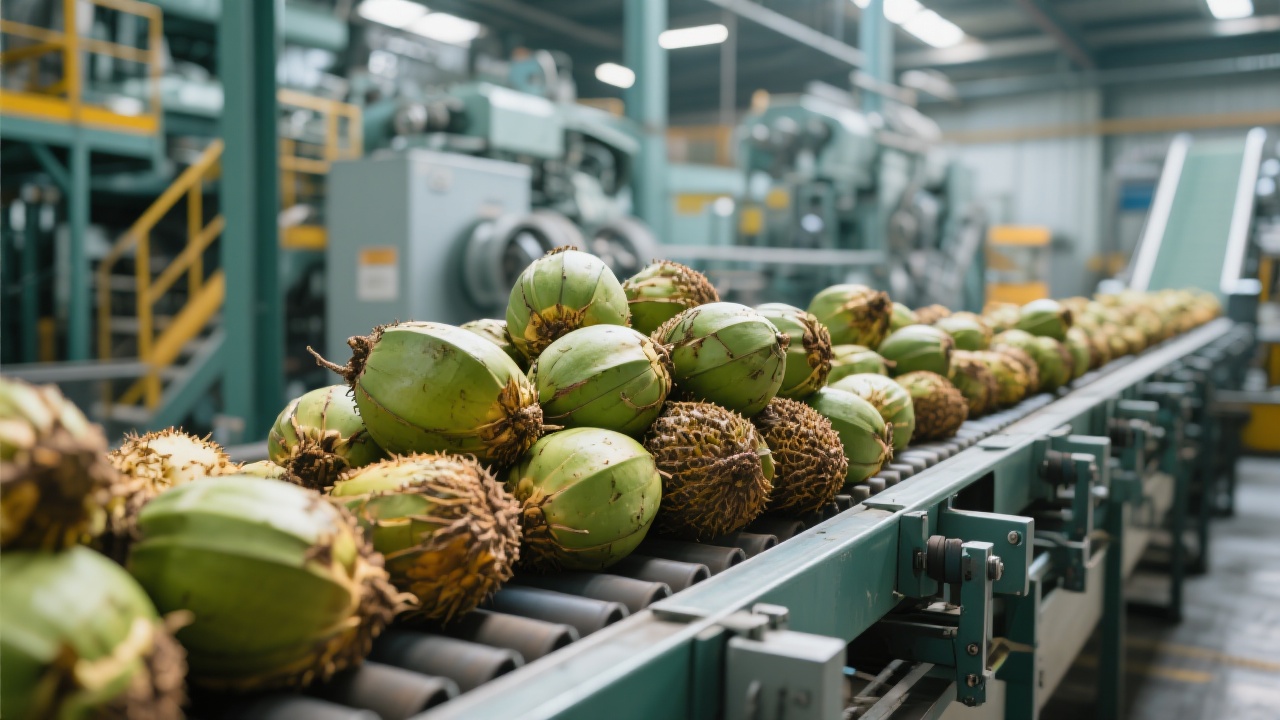
As global demand for functional and health-promoting edible oils grows, rapeseed oil manufacturers must invest in extraction technology choices that strike an optimal balance between yield and nutritive quality. The interplay between energy efficiency, equipment investment, and product differentiation shapes long-term competitiveness.


.png?x-oss-process=image/resize,h_100,m_lfit/format,webp)
.png?x-oss-process=image/resize,h_100,m_lfit/format,webp)
.png?x-oss-process=image/resize,h_100,m_lfit/format,webp)