For B2B edible oil manufacturers targeting global markets, choosing the right extraction method isn’t just a technical decision—it’s a strategic one that directly impacts product premium positioning, export compliance, and long-term profitability.
Many producers assume higher yield equals better economics—but that’s only half the story. In fact, studies from the International Olive Council (IOC) show that cold-pressed oils retain up to 70% more tocopherols (vitamin E) compared to solvent-extracted counterparts. That difference translates into real value when selling to health-conscious buyers in Europe, North America, or the Middle East.
| Feature | Cold Press | Solvent Extraction |
|---|---|---|
| Nutrient Retention (Vitamin E) | High (65–75%) | Low (20–30%) |
| Energy Consumption per Ton | ~1,200 kWh | ~800 kWh |
| Initial Equipment Cost | $150k–$300k | $200k–$500k |
| Batch Throughput (kg/hr) | 150–300 | 500–1,500+ |
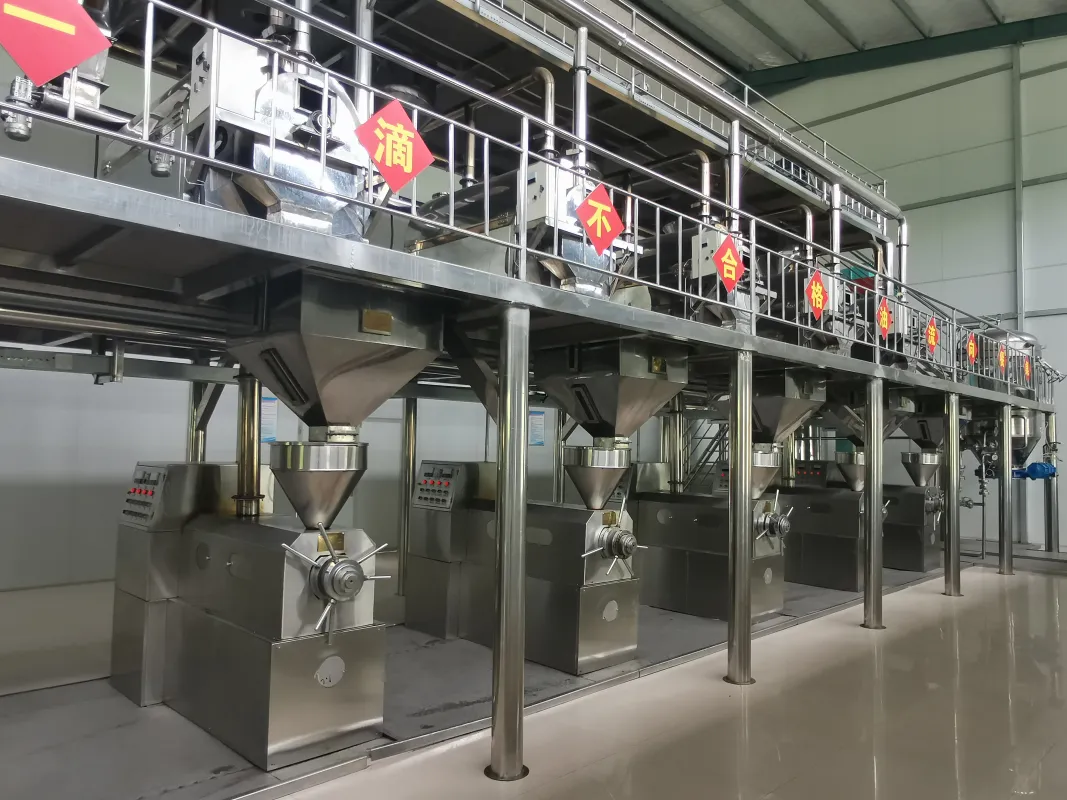
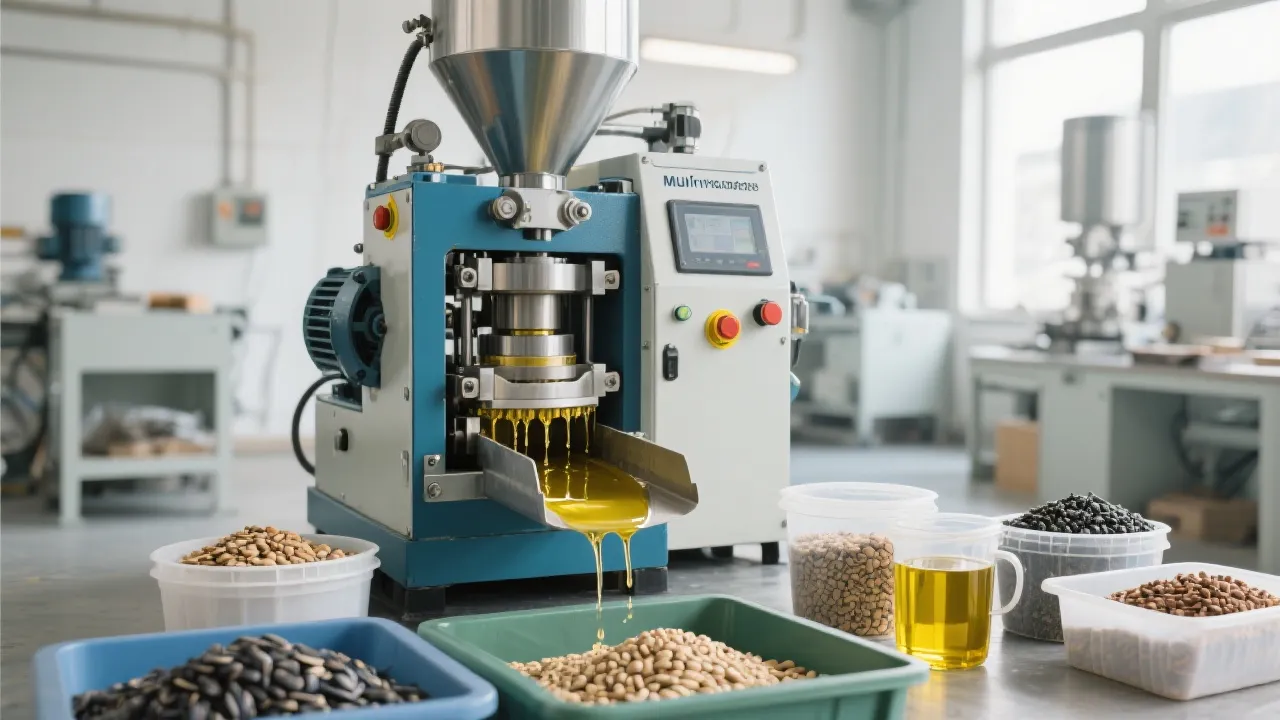
Take a case from a mid-sized producer in India who switched from solvent extraction to cold pressing for their premium olive-rapeseed blend. Though output dropped by ~30%, they achieved a 45% price premium in EU markets due to enhanced nutrient profiles and clean-label appeal. Their customer base shifted from bulk commodity buyers to private label brands seeking functional ingredients.
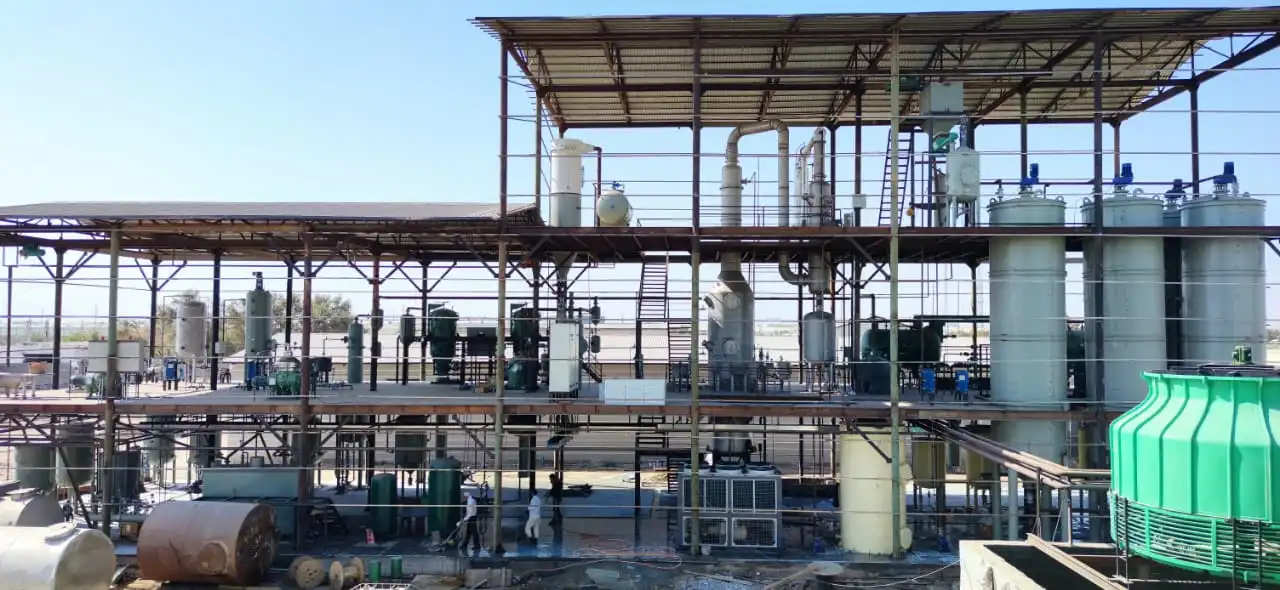
Conversely, a large-scale Chinese plant producing commodity-grade rapeseed oil found solvent extraction more efficient—reducing unit costs by 22% while maintaining acceptable quality standards for industrial food service clients in Southeast Asia.
According to FAO data (2023), solvent extraction remains dominant globally (~65% of all edible oil production) due to its scalability and cost-effectiveness—but cold pressing is growing at 9.4% CAGR in premium segments.
If you’re aiming for high-margin B2B contracts with European or U.S. retailers, consider cold pressing—even if it means lower volume. If your goal is consistent supply to food processors or fast-moving consumer goods (FMCG) companies, solvent extraction offers reliable economics at scale.
Ultimately, aligning your process choice with your target market’s expectations—not just internal metrics—is what separates successful exporters from those stuck in commoditization.
Download our comprehensive “Process Comparison Toolkit”, including full technical specs, ROI calculators, and buyer-ready FAQs tailored for international B2B sales teams.
Get the Free PDF Guide Now →


.png?x-oss-process=image/resize,h_100,m_lfit/format,webp)
.png?x-oss-process=image/resize,h_100,m_lfit/format,webp)
.png?x-oss-process=image/resize,h_100,m_lfit/format,webp)