In the B2B edible oil manufacturing sector, balancing high yield and nutrient retention in rapeseed oil production has always been a core challenge. This article delves into the technical principles, energy consumption differences, and finished - product quality performance of two mainstream processes: cold pressing and solvent extraction. By combining real - world customer project experiences, it reveals the optimal process selection strategies for different production capacity scales, helping manufacturers make scientific decisions, enhance product added value, and boost market competitiveness.
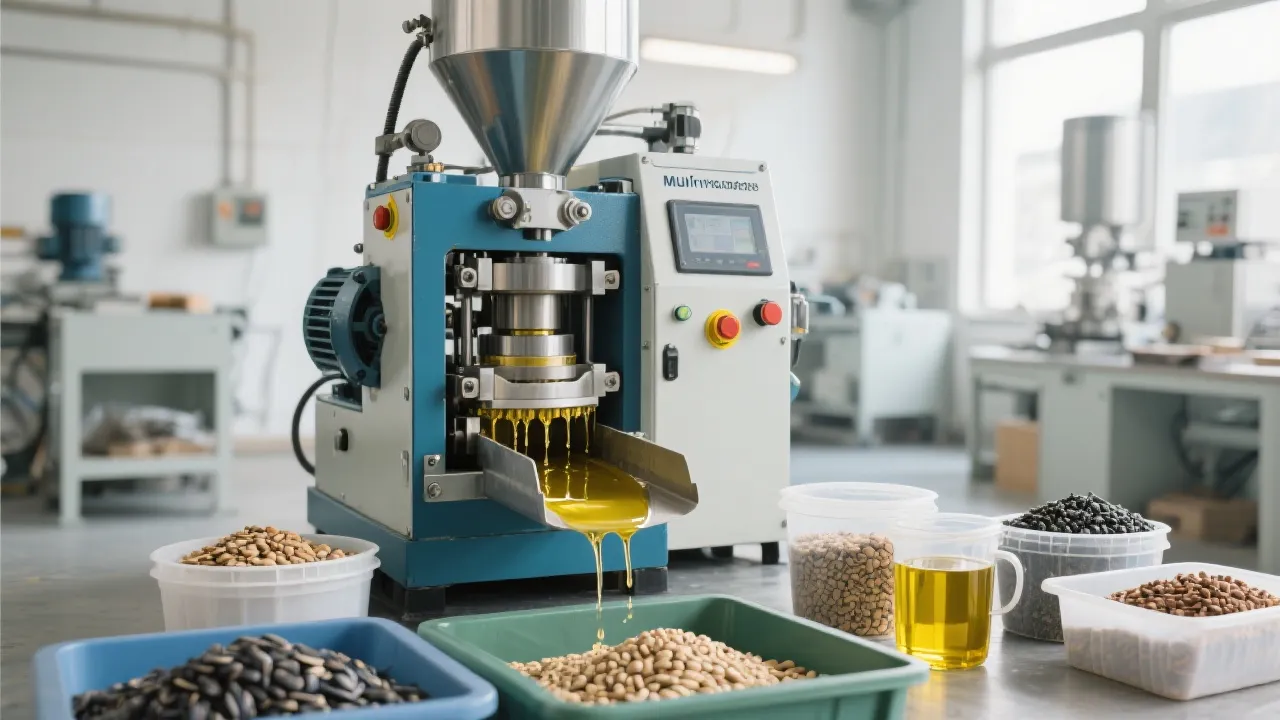
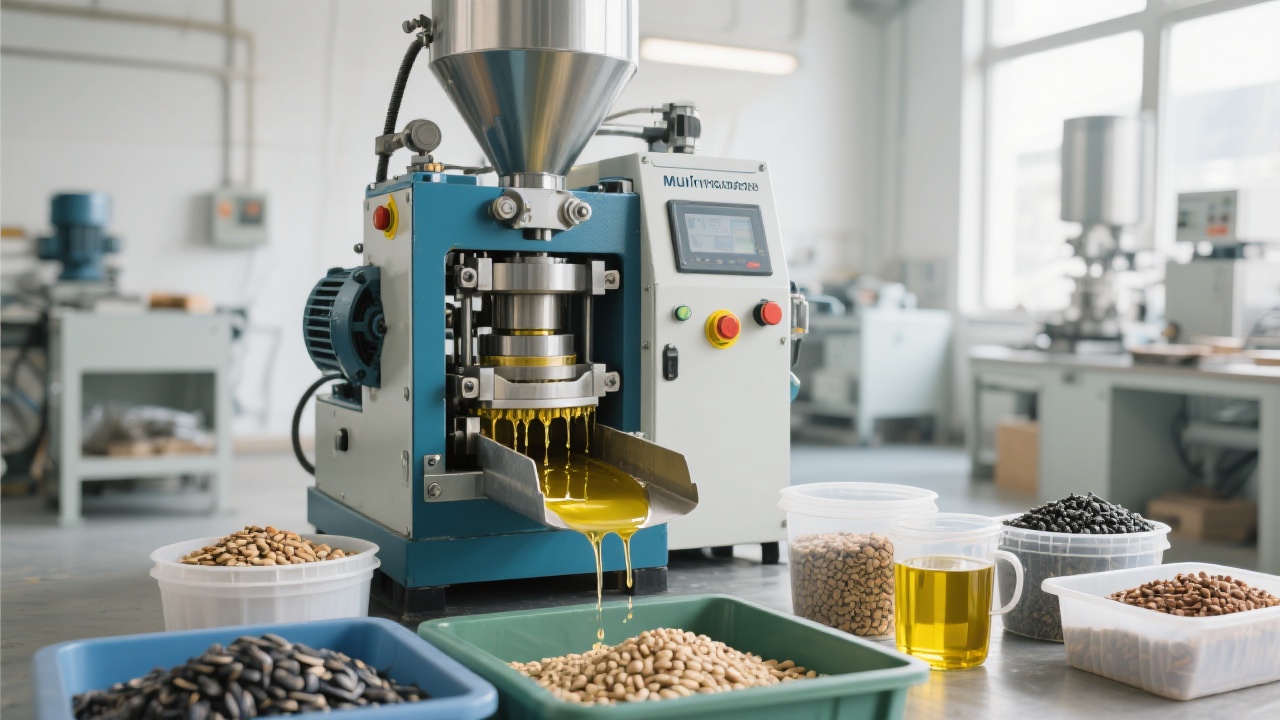
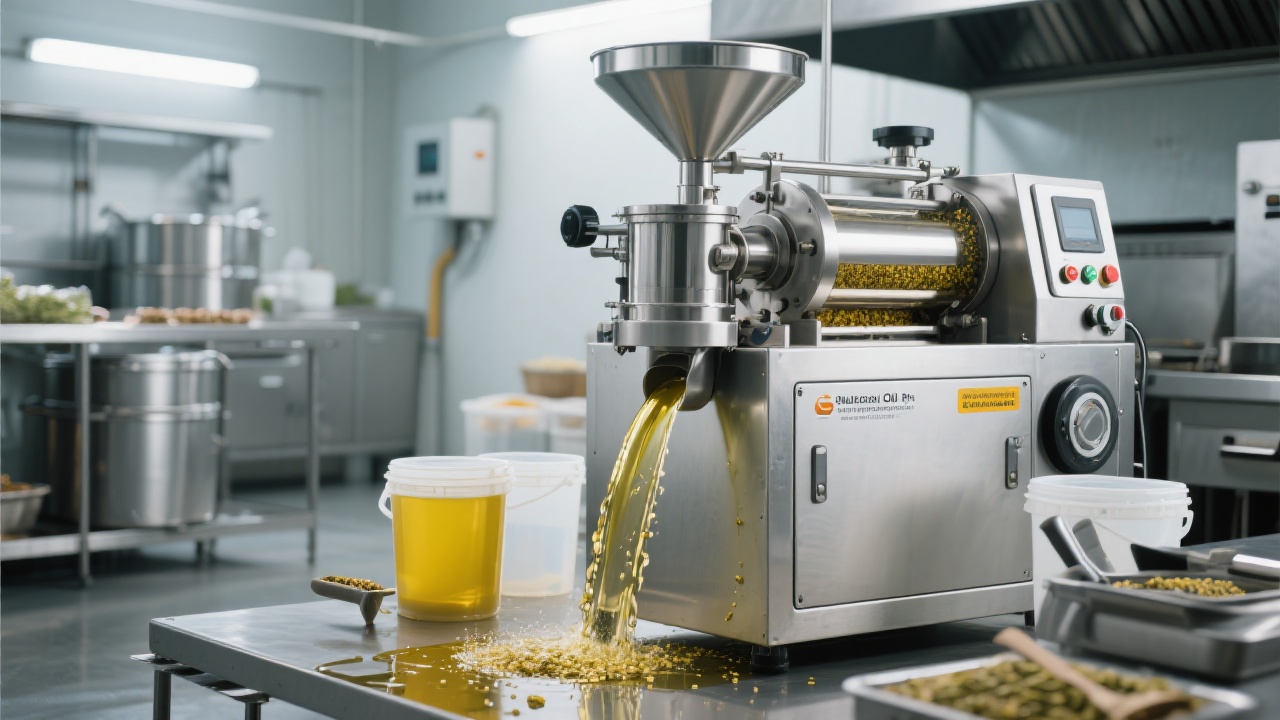
Cold pressing is a mechanical extraction method that uses physical pressure to squeeze oil from rapeseeds at low temperatures (usually below 60°C). This process preserves the natural flavor and nutrients of the rapeseed oil, such as vitamins and antioxidants. According to a study by the International Olive Council, cold - pressed oils generally retain up to 90% of their original nutrients. However, the oil yield is relatively low, typically around 30 - 35%.
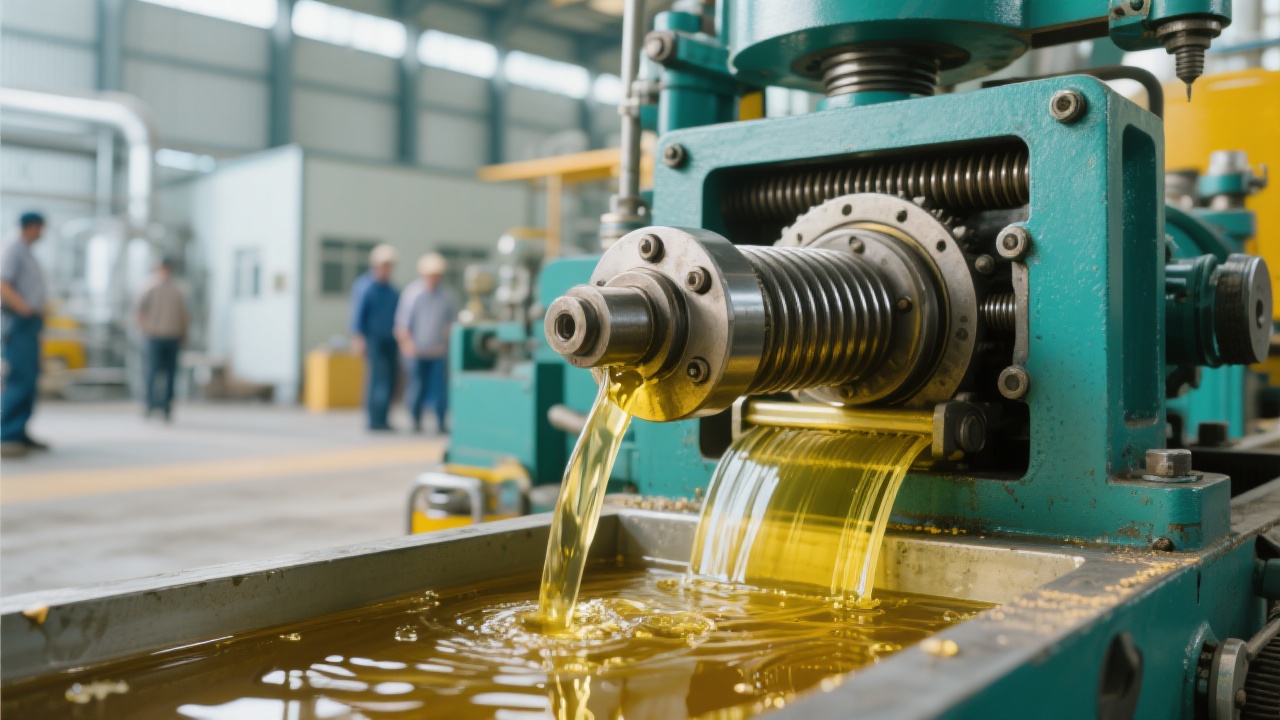
Solvent extraction, on the other hand, involves using solvents like hexane to dissolve the oil from the rapeseeds. The solvent is then evaporated to separate the oil. This method has a much higher oil yield, reaching 40 - 45%. But it may reduce the nutritional value of the oil due to the use of high - temperature evaporation in the solvent recovery process. A research from the Food and Agriculture Organization (FAO) indicates that solvent - extracted oils may lose up to 20% of their original nutrients.
Cold pressing is suitable for small - scale production and high - end market segments. Its low - temperature process makes it ideal for producing premium rapeseed oil with high nutritional value. The oil has a natural, pure taste, which is highly favored by health - conscious consumers. However, the high cost of production and low yield limit its large - scale application.
Solvent extraction is more suitable for large - scale production due to its high yield. It can meet the massive demand of the general market. But the potential loss of nutrients and the need for strict safety measures in handling solvents are its main drawbacks.
| Process | Oil Yield | Nutrient Retention | Energy Consumption | Applicable Scale |
|---|---|---|---|---|
| Cold Pressing | 30 - 35% | Up to 90% | Low | Small - scale |
| Solvent Extraction | 40 - 45% | About 80% | High | Large - scale |
Let's take a real - world case as an example. A medium - sized rapeseed oil manufacturer was facing the decision of which process to choose. Initially, they used cold pressing to produce high - end rapeseed oil for a niche market. But as the market demand grew, they needed to increase production. After careful analysis, they decided to adopt a hybrid approach. For the high - end product line, they continued with cold pressing, while for the general market, they introduced solvent extraction. This strategy not only met the market demand but also maintained the brand's high - end image. The customer reported a 20% increase in overall production and a 15% growth in market share within a year.
For small - scale manufacturers with an annual production capacity of less than 1,000 tons, cold pressing is recommended. It allows them to focus on the high - end market, where customers are willing to pay a premium for nutrient - rich rapeseed oil. For medium - scale manufacturers with a capacity between 1,000 - 5,000 tons, a combination of cold pressing and solvent extraction can be a good option. They can meet both high - end and general market demands. Large - scale manufacturers with a capacity of over 5,000 tons should mainly use solvent extraction to ensure high - volume production and cost - effectiveness.
As the rapeseed oil manufacturing industry continues to evolve, making the right process choice is crucial for B2B manufacturers. By considering the factors discussed in this article, manufacturers can enhance their product quality, increase production efficiency, and gain a competitive edge in the market.
Interested in learning more about the optimal rapeseed oil production processes? Click the button below to download our PDF guide and take the first step towards boosting your product's market competitiveness.
Get Your PDF Guide Now


.png?x-oss-process=image/resize,h_100,m_lfit/format,webp)
.png?x-oss-process=image/resize,h_100,m_lfit/format,webp)
.png?x-oss-process=image/resize,h_100,m_lfit/format,webp)