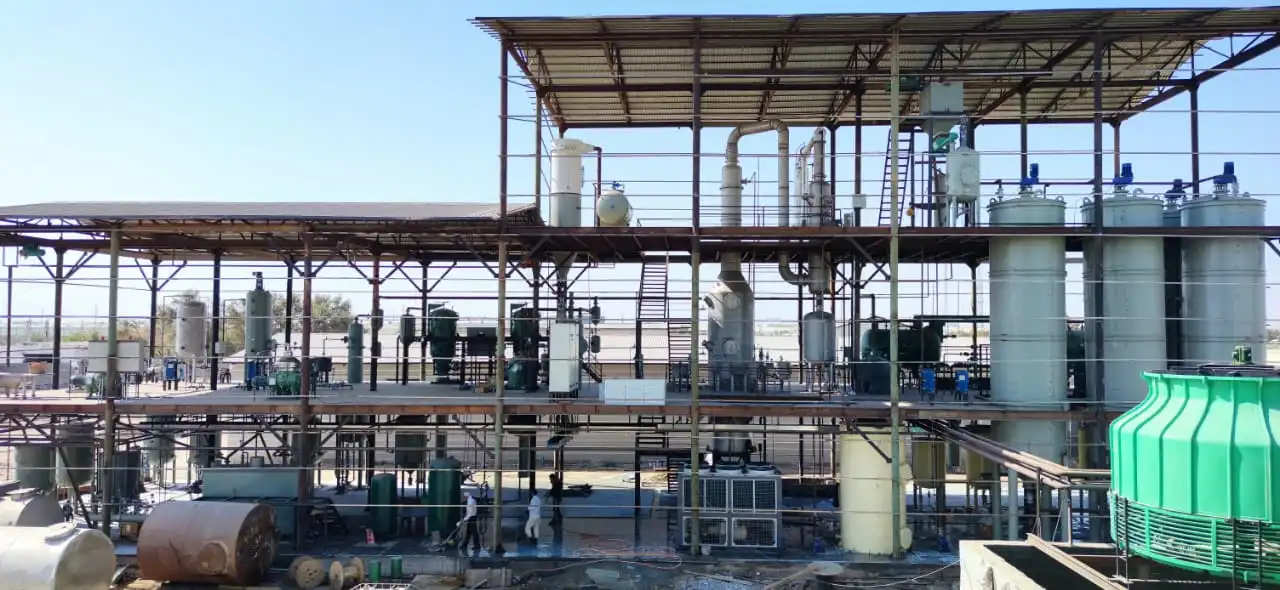
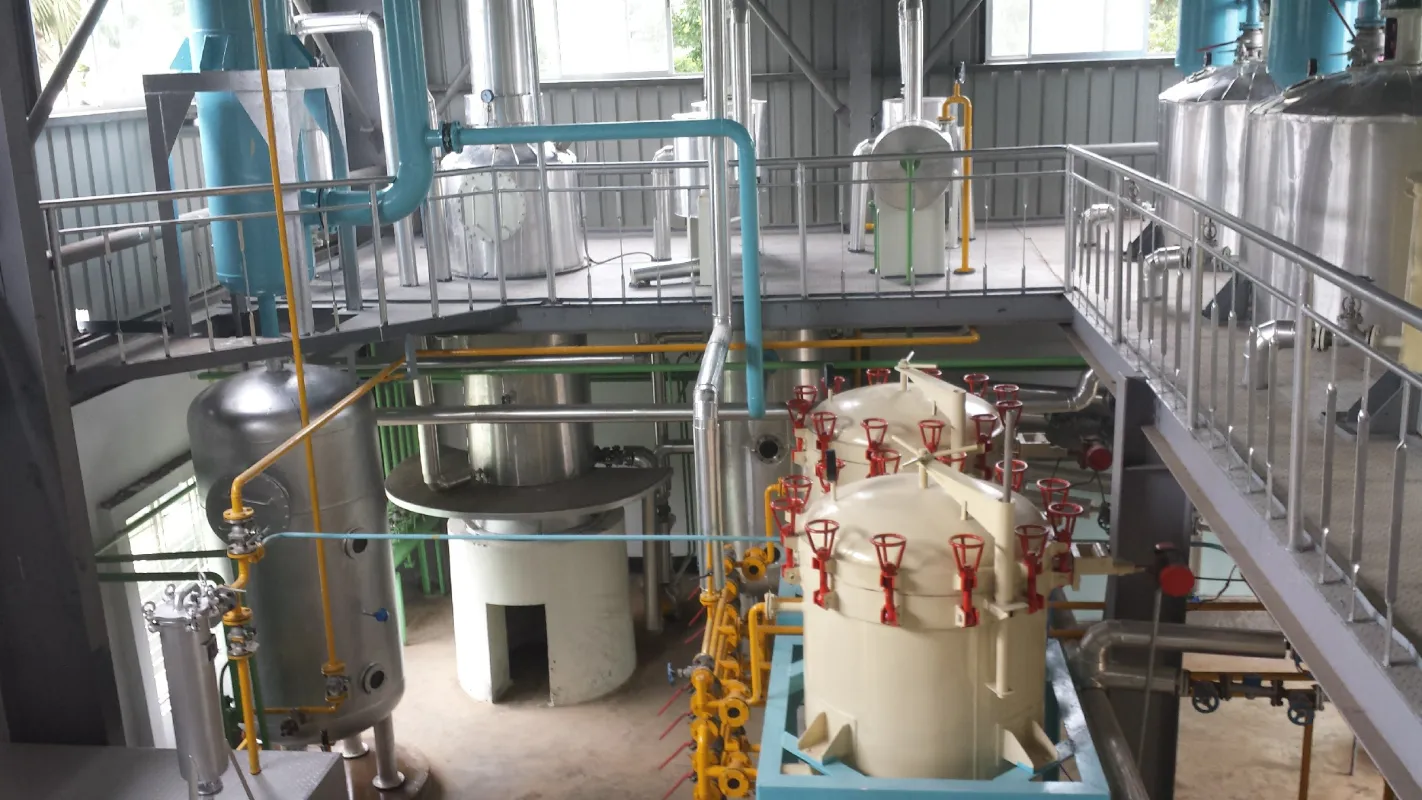
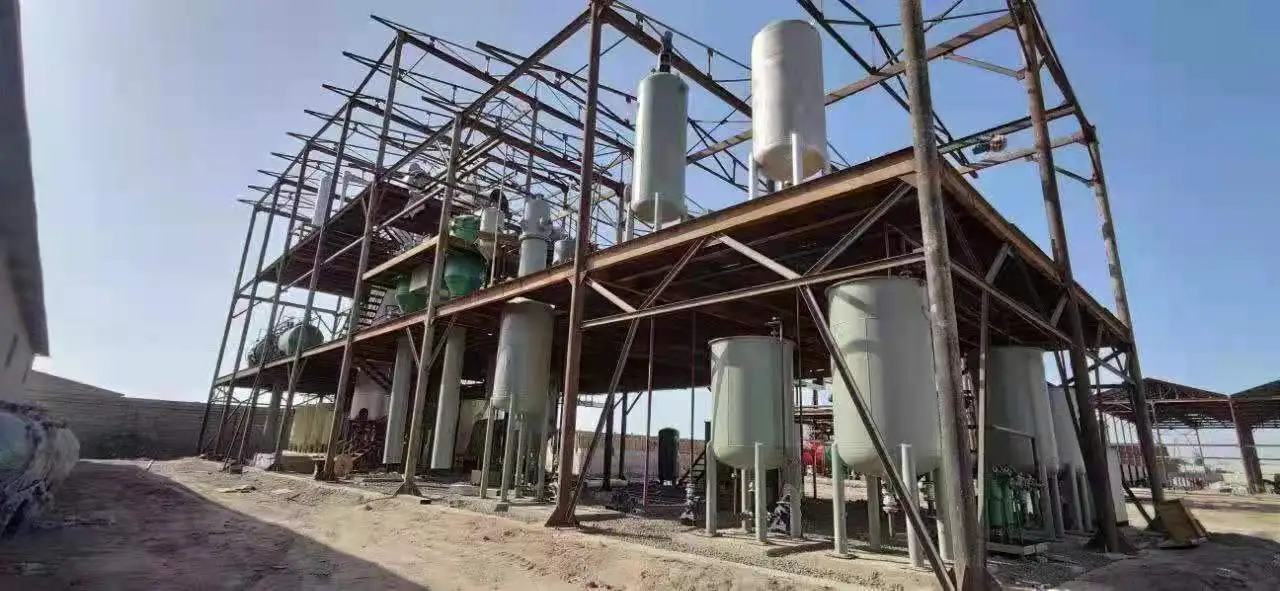
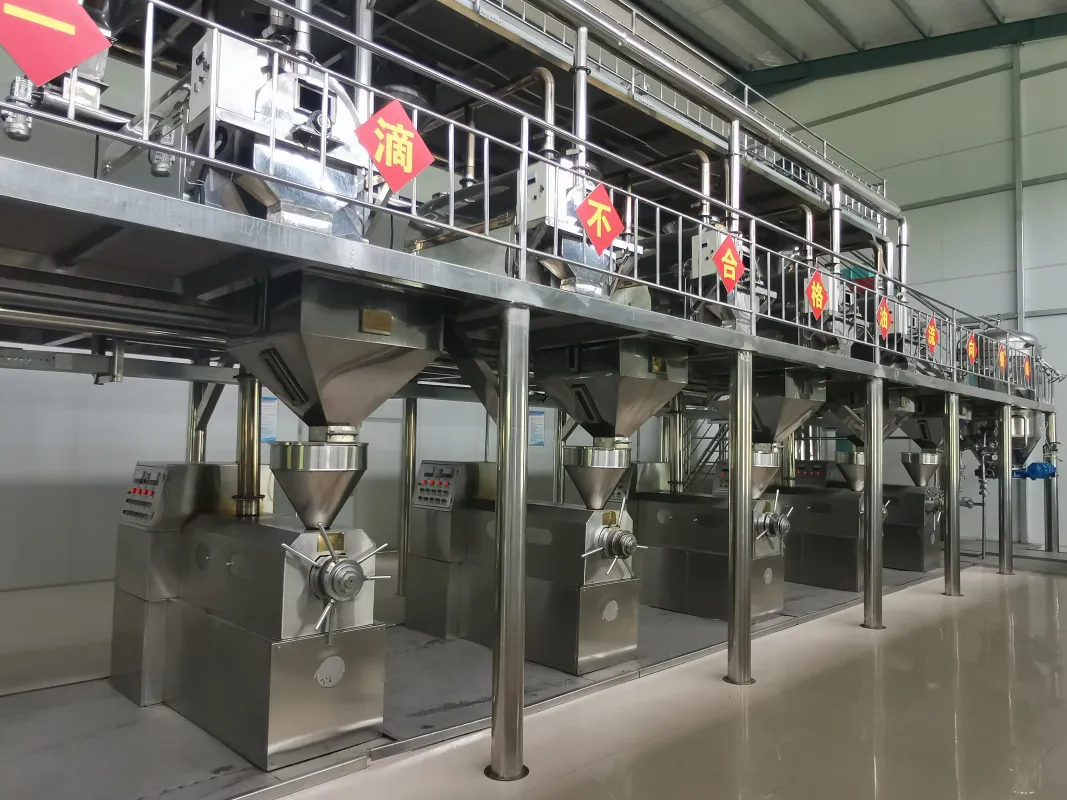
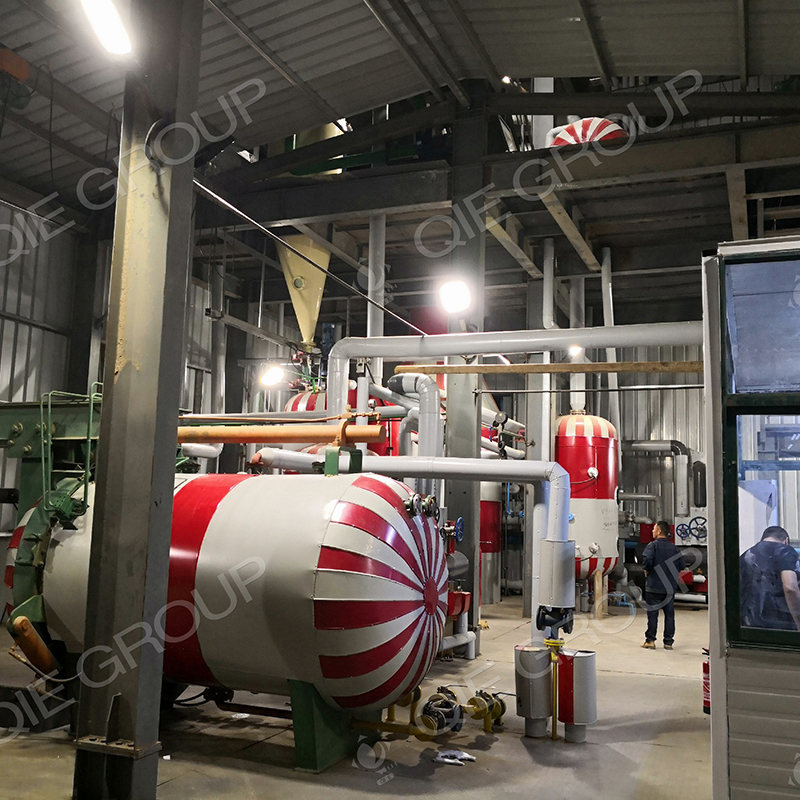
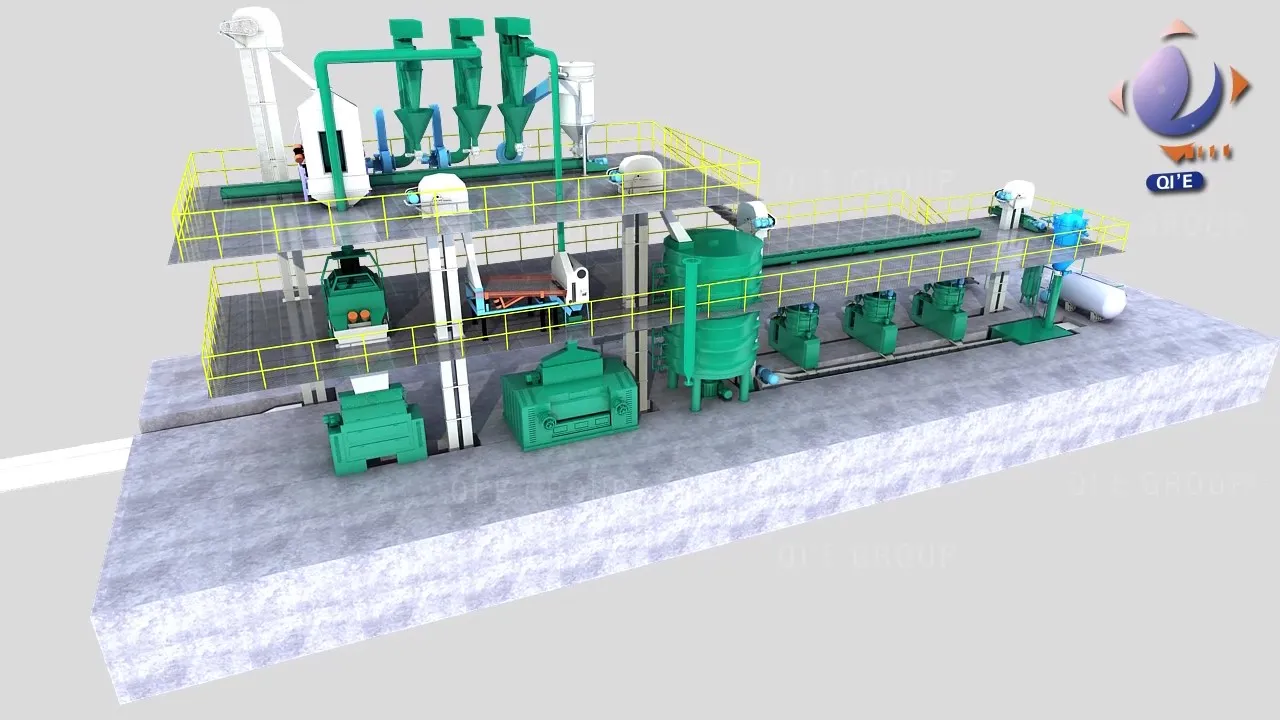
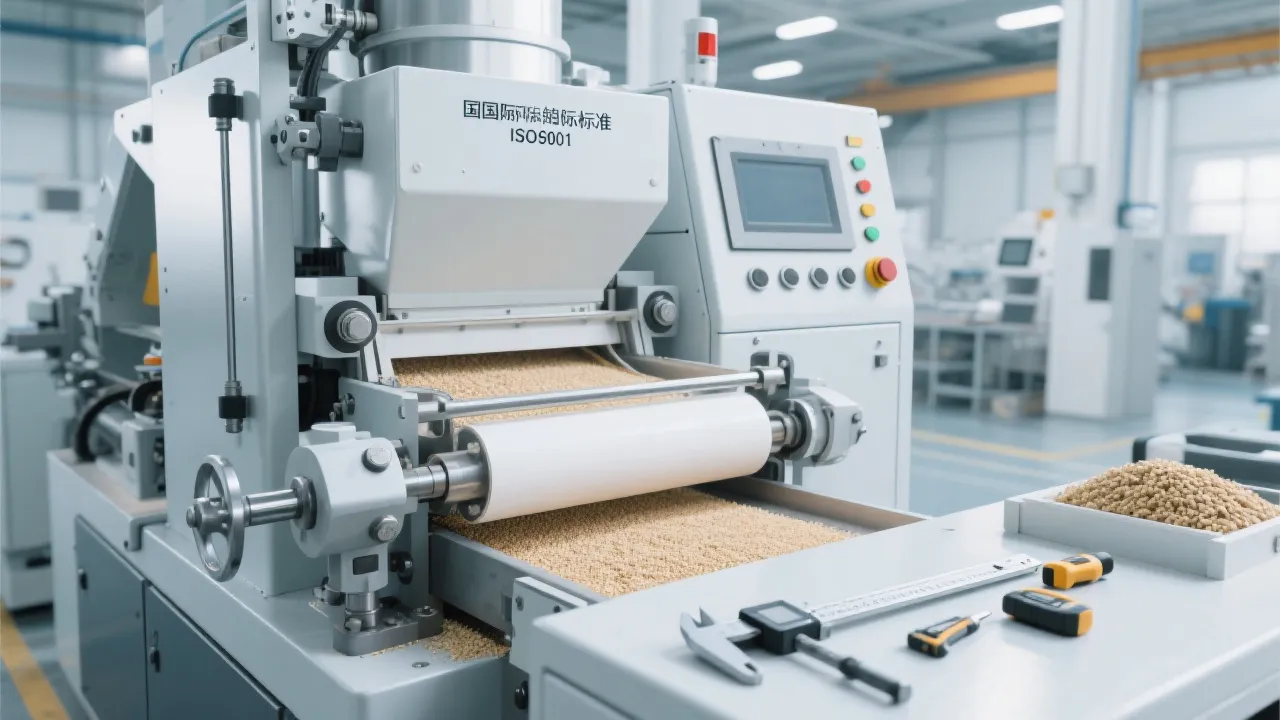
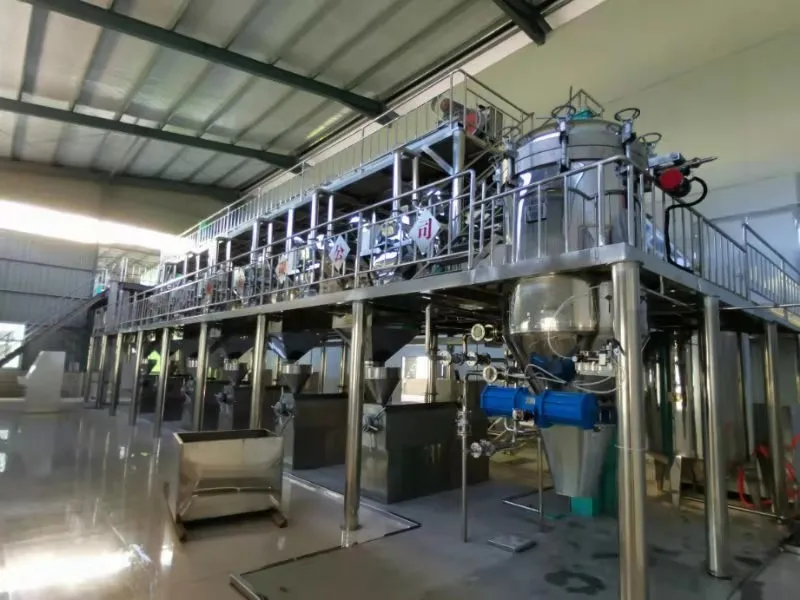
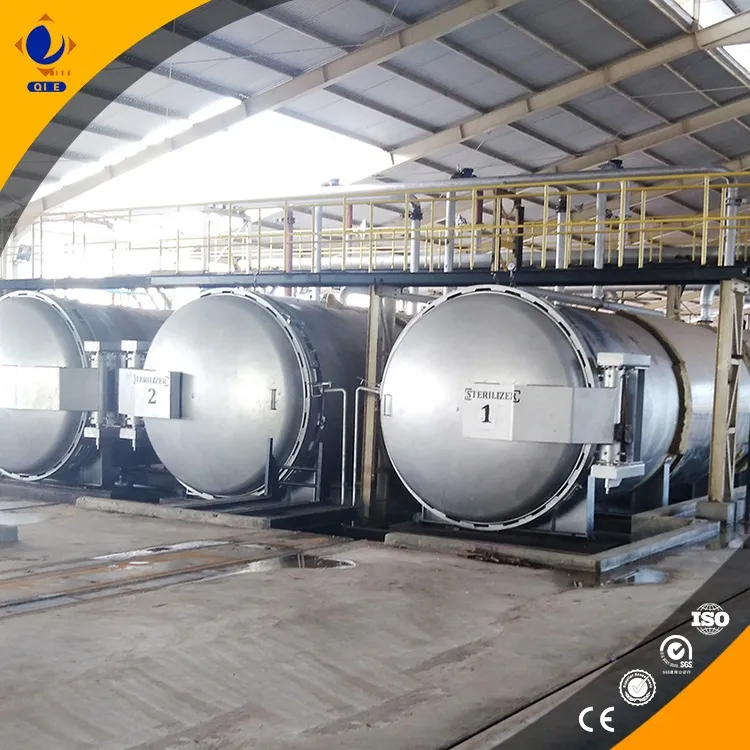
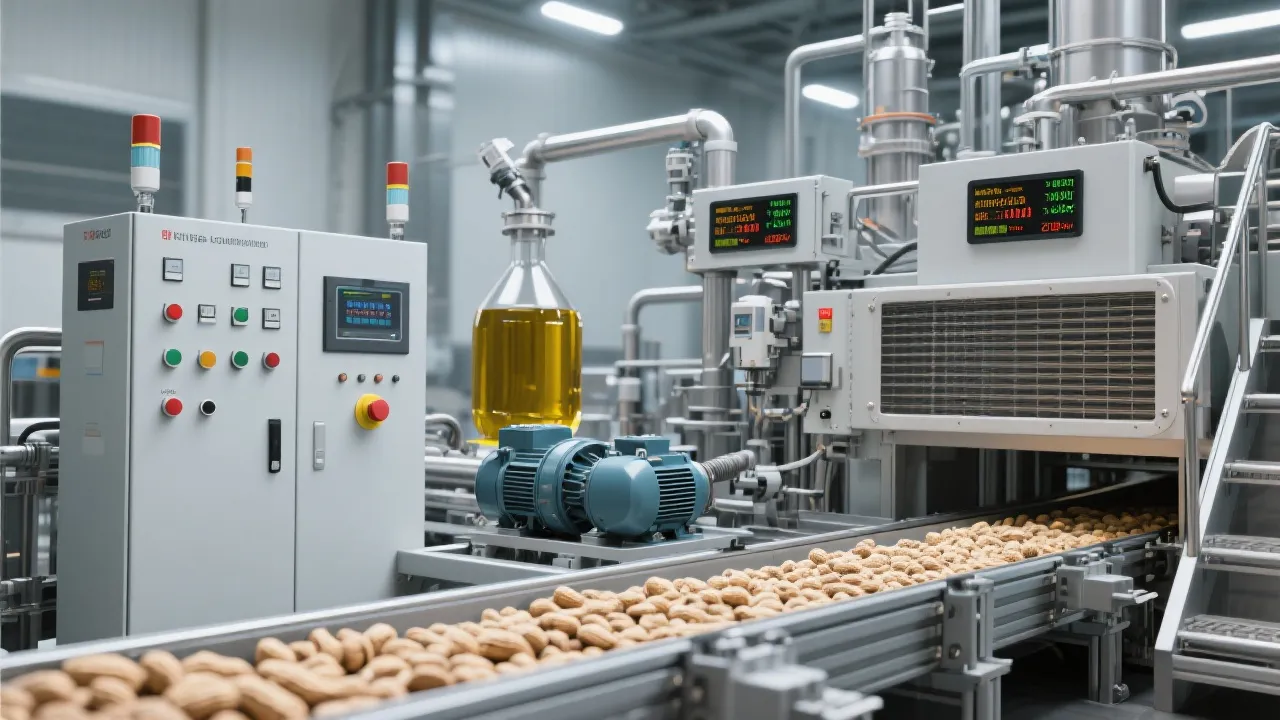
In the B2B edible oil manufacturing industry, choosing the right rapeseed oil production process is crucial for enhancing product added - value and market competitiveness. This article delves into the two core processes of the fully automatic rapeseed oil production line independently developed by QIE Group: cold pressing and solvent extraction.
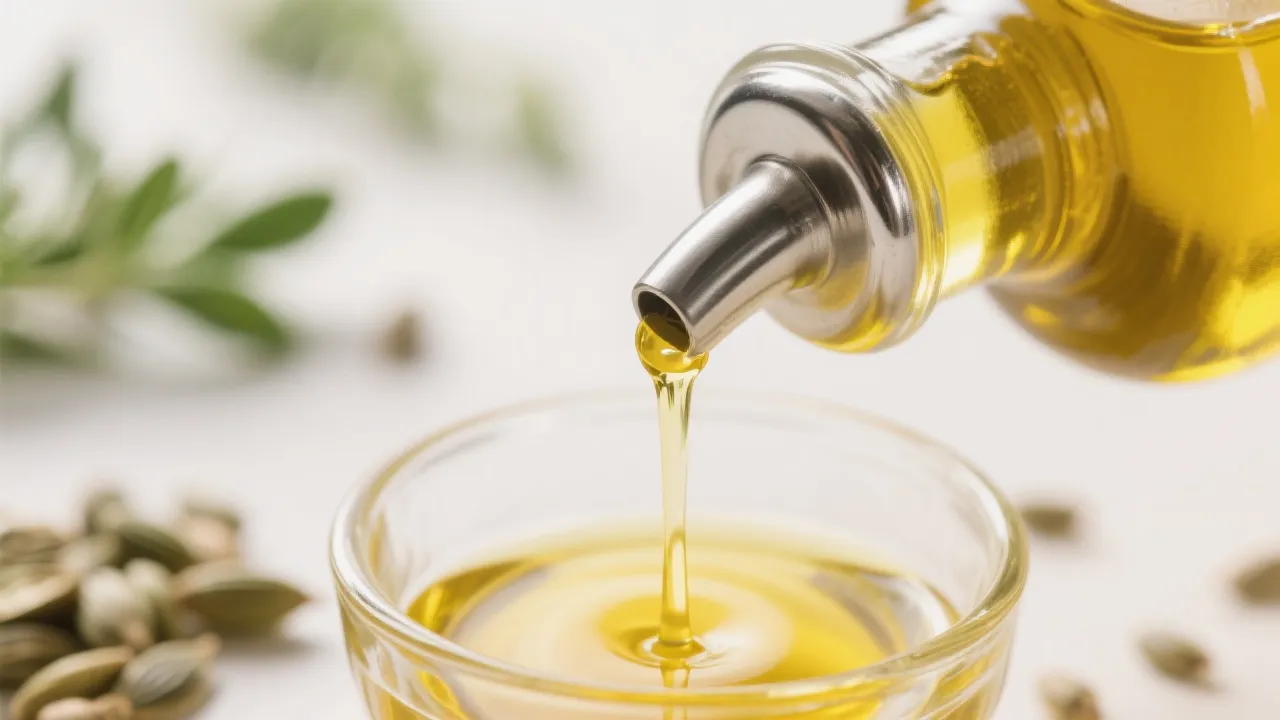
Cold pressing is a mechanical method that extracts oil from rapeseeds at low temperatures (usually below 60°C). This process preserves most of the nutrients in the rapeseeds, such as vitamins and antioxidants. For example, it can retain up to 90% of vitamin E in rapeseeds. On the other hand, solvent extraction uses chemical solvents like hexane to dissolve the oil from the rapeseeds. The solvent is then evaporated to obtain the oil. This method can achieve a high oil yield, often reaching over 95%.
| Indicators | Cold Pressing | Solvent Extraction |
|---|---|---|
| Oil Yield | About 80 - 85% | Over 95% |
| Nutrient Retention | High, can retain most vitamins and antioxidants | Low, some nutrients may be lost during the solvent evaporation process |
| Energy Consumption | Relatively low | Relatively high, especially for solvent evaporation |
| Equipment Complexity | Simple, mainly mechanical equipment | Complex, requires solvent recovery and purification equipment |
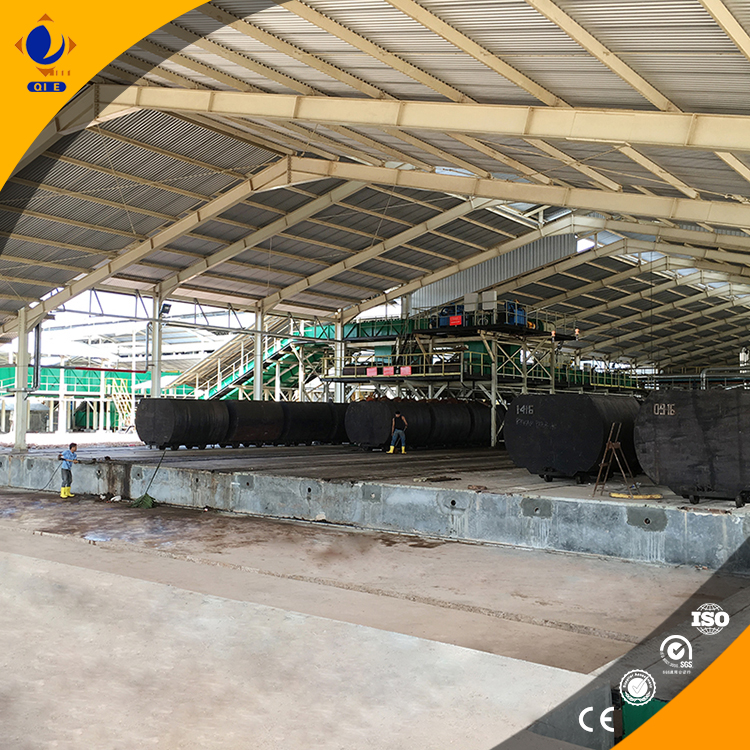
For small - scale factories with an annual production capacity of less than 10,000 tons, cold pressing is a better choice. It has lower equipment investment and can produce high - quality, nutrient - rich rapeseed oil, which is suitable for the high - end market. Medium - and large - scale factories with an annual production capacity of more than 10,000 tons may prefer solvent extraction. Although the equipment is more complex and the energy consumption is higher, the high oil yield can bring more economic benefits.
A small - scale factory in Europe adopted the cold - pressing process recommended by QIE Group. After one year of operation, the sales of their high - end rapeseed oil increased by 30%, and the profit margin increased by 20%. A large - scale factory in Asia switched to the solvent extraction process. As a result, the annual oil production increased by 20%, and the cost per ton of oil decreased by 15%.
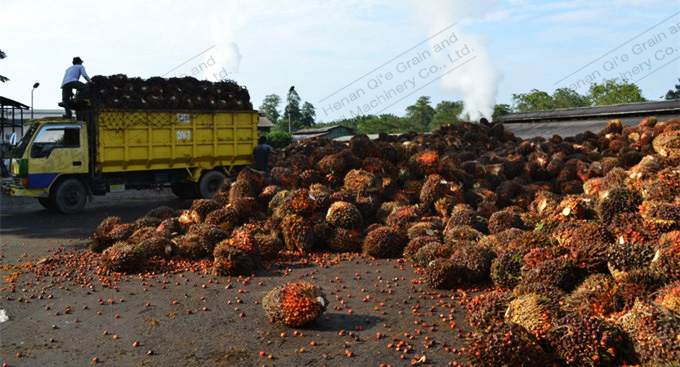
Based on the above analysis, B2B edible oil manufacturers can make a more scientific decision according to their own production capacity, market positioning, and cost requirements. If you want to know more about the detailed comparison of the two processes, please get the complete process comparison PDF guide.
 Sesame oil production line automatic control
PLC parameter tuning
Automation equipment maintenance
Fault troubleshooting manual
Preventive maintenance checklist
sesame oil production line automation
PLC control system for food processing
automated oil extraction control
custom automation solutions for food plants
industrial control system optimization
sesame oil production line automation
PLC parameter optimization
automated control system maintenance
grain and oil machinery automation
production line troubleshooting
automated sesame oil production
fully enclosed production system
energy-efficient grain and oil machinery
automated sesame oil filling technology
eco-friendly sesame oil processing
sesame oil production automation
PLC control system maintenance
preventive maintenance strategy
industrial control system troubleshooting
automated food processing equipment
Sesame oil production line automatic control
PLC parameter tuning
Automation equipment maintenance
Fault troubleshooting manual
Preventive maintenance checklist
sesame oil production line automation
PLC control system for food processing
automated oil extraction control
custom automation solutions for food plants
industrial control system optimization
sesame oil production line automation
PLC parameter optimization
automated control system maintenance
grain and oil machinery automation
production line troubleshooting
automated sesame oil production
fully enclosed production system
energy-efficient grain and oil machinery
automated sesame oil filling technology
eco-friendly sesame oil processing
sesame oil production automation
PLC control system maintenance
preventive maintenance strategy
industrial control system troubleshooting
automated food processing equipment

.jpg?x-oss-process=image/resize,h_800,m_lfit/format,webp)


.png?x-oss-process=image/resize,h_100,m_lfit/format,webp)
.png?x-oss-process=image/resize,h_100,m_lfit/format,webp)
.png?x-oss-process=image/resize,h_100,m_lfit/format,webp)