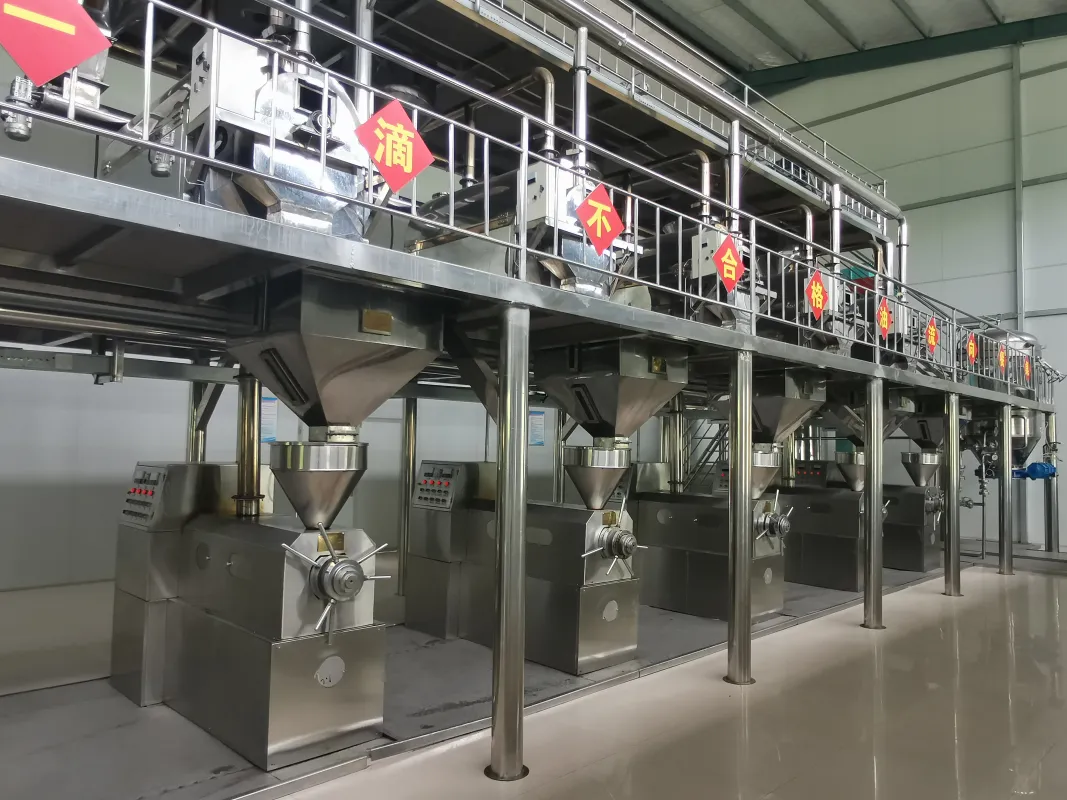
With rising global demand for clean-label, high-purity edible oils, rice bran oil producers are under increasing pressure to meet strict food safety standards while improving efficiency. A recent study by the International Journal of Food Science & Technology found that over 72% of food safety incidents in edible oil processing stem from inconsistent manual operations—especially during critical refining steps like degumming, neutralization, bleaching, and deodorization.
Implementing a robust CCP-based system isn't just about compliance—it’s a proactive strategy to prevent contamination at every stage. For example, in the degumming phase, maintaining pH between 4.0–4.5 ensures phospholipid removal without damaging free fatty acids. Automated sensors now allow real-time monitoring of this parameter, reducing human error by up to 65%, according to data from a leading Chinese processor using our integrated control platform.
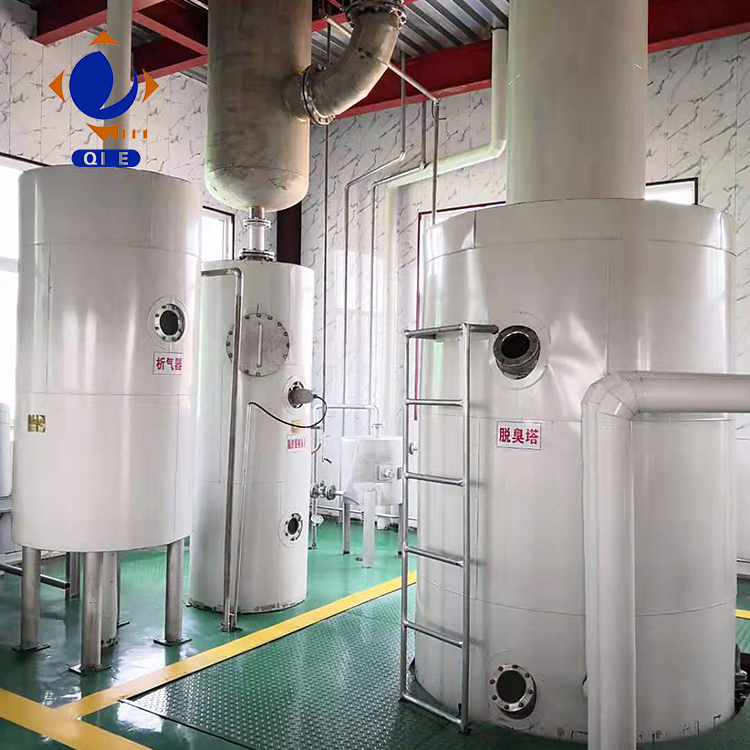
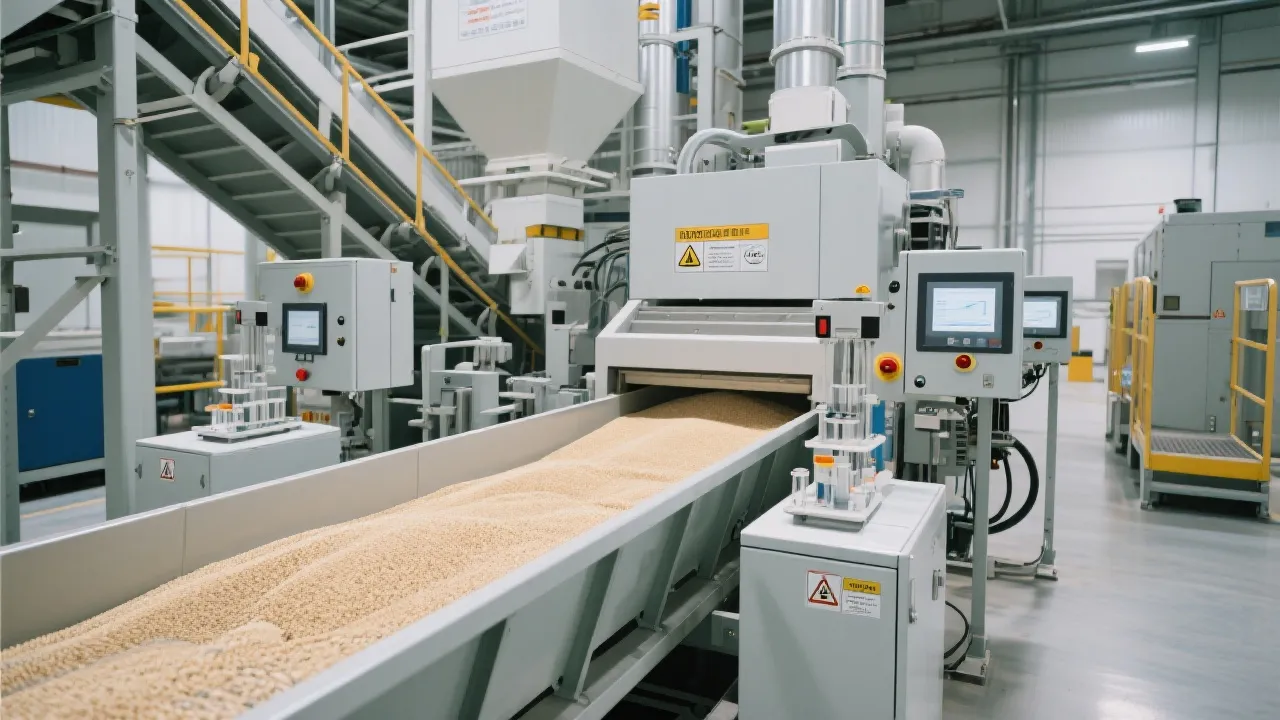
The integration of online detection technologies—such as NIR spectroscopy for moisture content and UV-Vis for color intensity—enables immediate corrective actions. One Indian OEM reported a 40% reduction in off-spec batches after deploying inline analyzers across their 5-ton/hour refining line. These tools not only enhance product consistency but also reduce waste, aligning with sustainability goals.
A mid-sized Vietnamese rice bran oil manufacturer saw a 28% improvement in throughput within six months after adopting an automated system featuring predictive maintenance alerts and closed-loop process control. Their quality team noted fewer customer complaints related to odor or cloudiness—a common issue linked to incomplete deodorization. The company now exports to over 12 countries, including Germany and UAE, where food safety audits are particularly stringent.
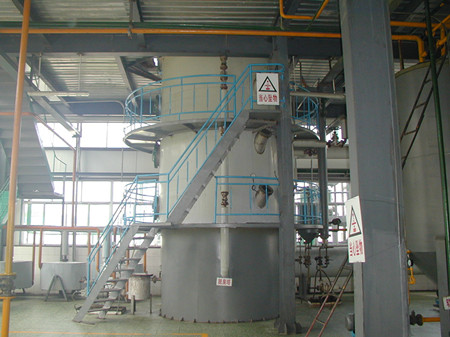
These results underscore how automation transforms traditional processes into precision-driven operations. It’s no longer just about meeting ISO 22000 or HACCP requirements—it’s about building trust with buyers who demand transparency, traceability, and reliability.
Modern rice bran oil plants aren’t just optimizing yield—they’re future-proofing themselves. Our clients report that energy consumption drops by 15–20% thanks to intelligent heating regulation and optimized flow rates. Plus, remote diagnostics and 24/7 technical support ensure minimal downtime—even in regions with limited local engineering resources.
 rice bran oil refining equipment international certification
export-oriented equipment selection
food safety management equipment standards
energy-efficient rice bran oil processing equipment
international quality standard machinery
Modular rapeseed oil production line
Edible oil production line construction
Rapid production
Flexible capacity configuration
Fully automatic edible oil equipment
automated sesame oil production line
oil processing automation
closed system food safety
intelligent oil refining
ISO9001 compliant food manufacturing
rapeseed oil extraction methods
cold pressed rapeseed oil
solvent extraction process
edible oil production optimization
high-value vegetable oil manufacturing
Fully automated rapeseed oil production line
Cold pressing extraction
Solvent extraction process
Oil yield
Nutrient retention
rice bran oil refining equipment international certification
export-oriented equipment selection
food safety management equipment standards
energy-efficient rice bran oil processing equipment
international quality standard machinery
Modular rapeseed oil production line
Edible oil production line construction
Rapid production
Flexible capacity configuration
Fully automatic edible oil equipment
automated sesame oil production line
oil processing automation
closed system food safety
intelligent oil refining
ISO9001 compliant food manufacturing
rapeseed oil extraction methods
cold pressed rapeseed oil
solvent extraction process
edible oil production optimization
high-value vegetable oil manufacturing
Fully automated rapeseed oil production line
Cold pressing extraction
Solvent extraction process
Oil yield
Nutrient retention






.png?x-oss-process=image/resize,h_100,m_lfit/format,webp)
.png?x-oss-process=image/resize,h_100,m_lfit/format,webp)
.png?x-oss-process=image/resize,h_100,m_lfit/format,webp)