In the food industry, ensuring the safety of rice bran oil is of paramount importance. With the advancement of technology, online detection technology has emerged as a powerful tool in the automated refining process. This article will delve into the practical methods of CCP management in the automated refining process of rice bran oil, highlighting the application scenarios and value of online detection technology.
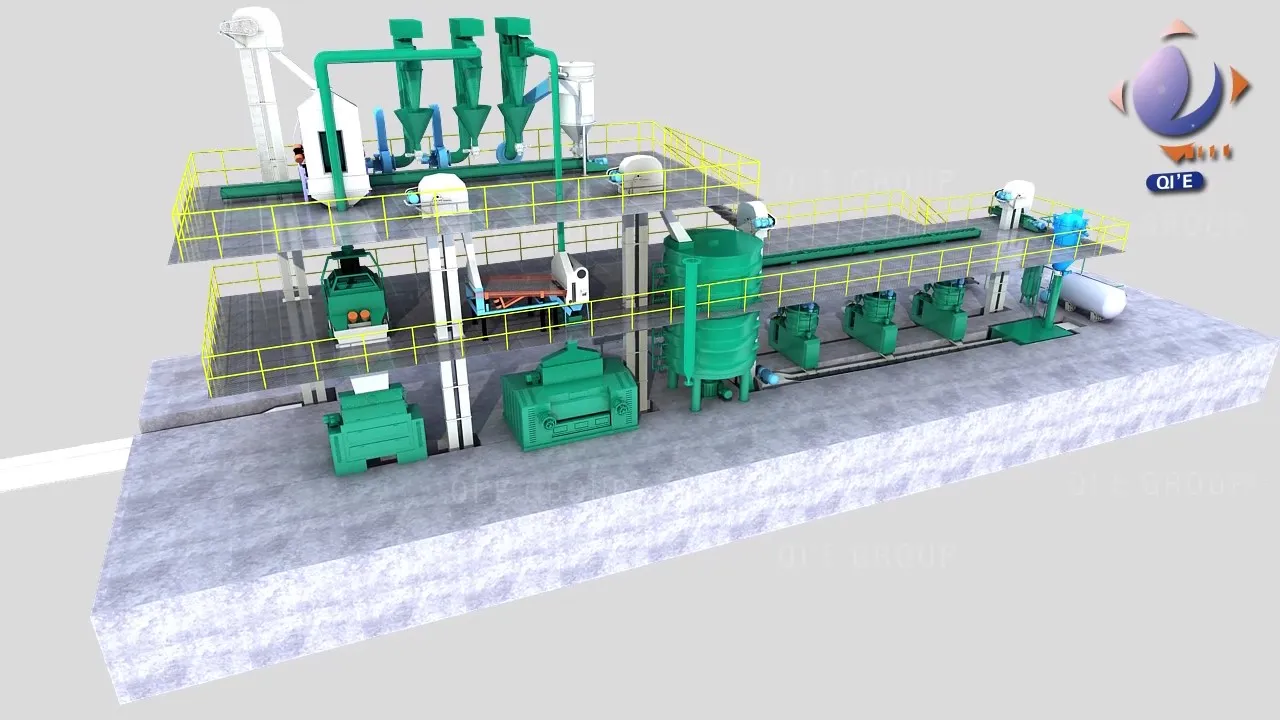
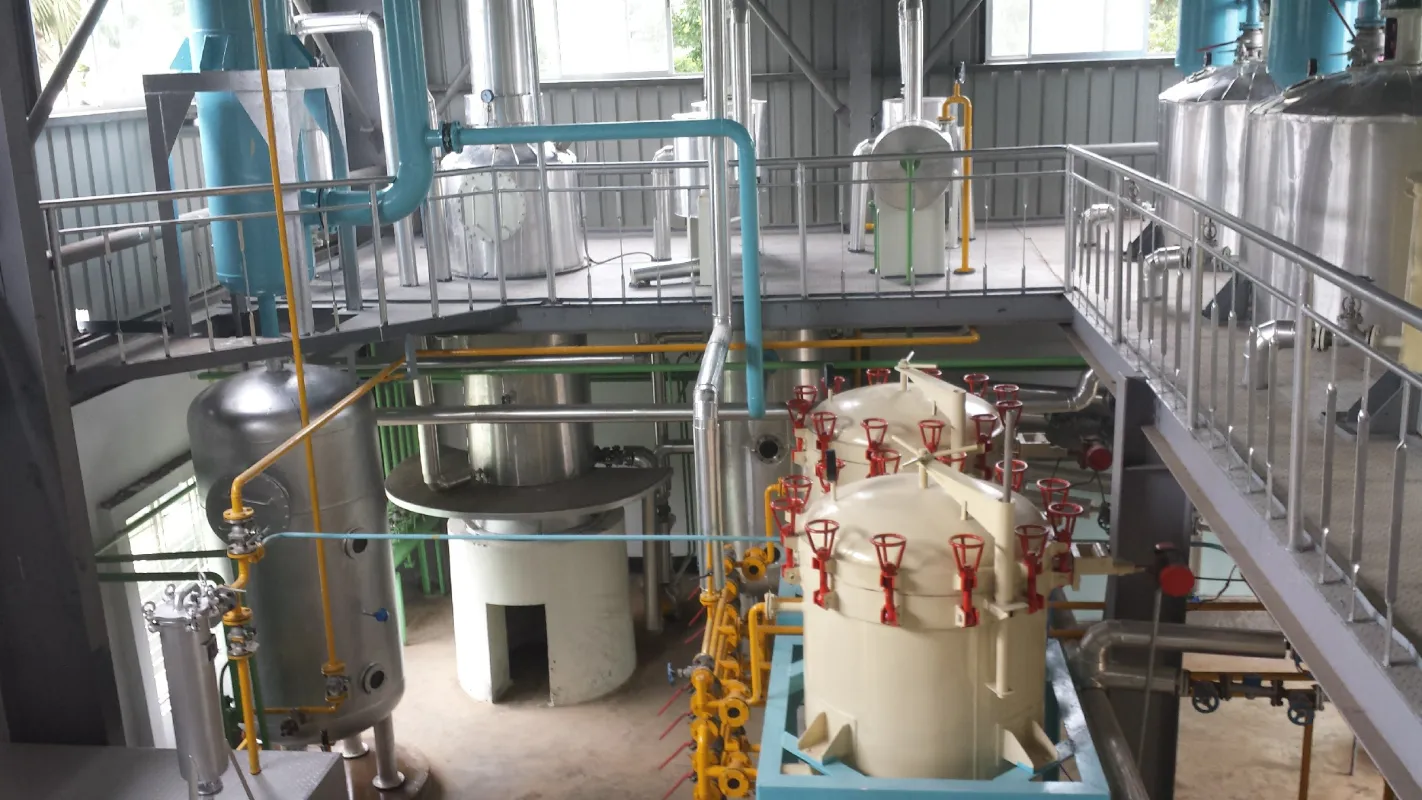
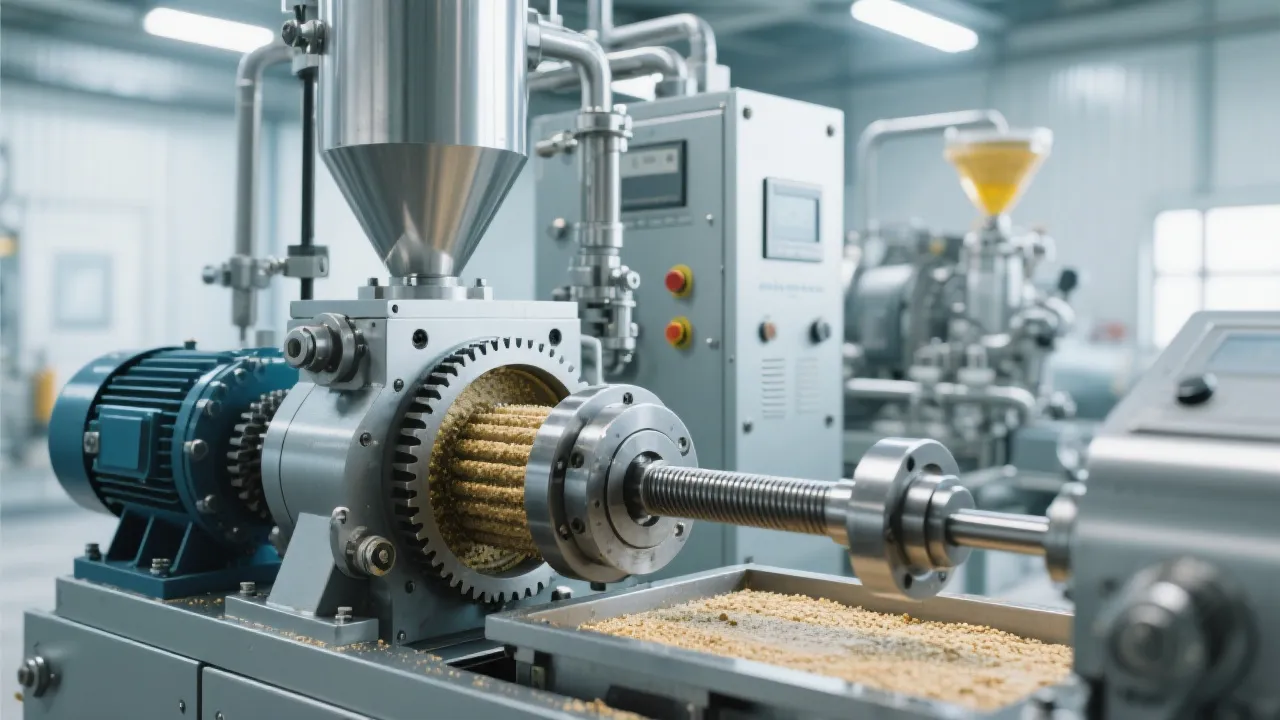
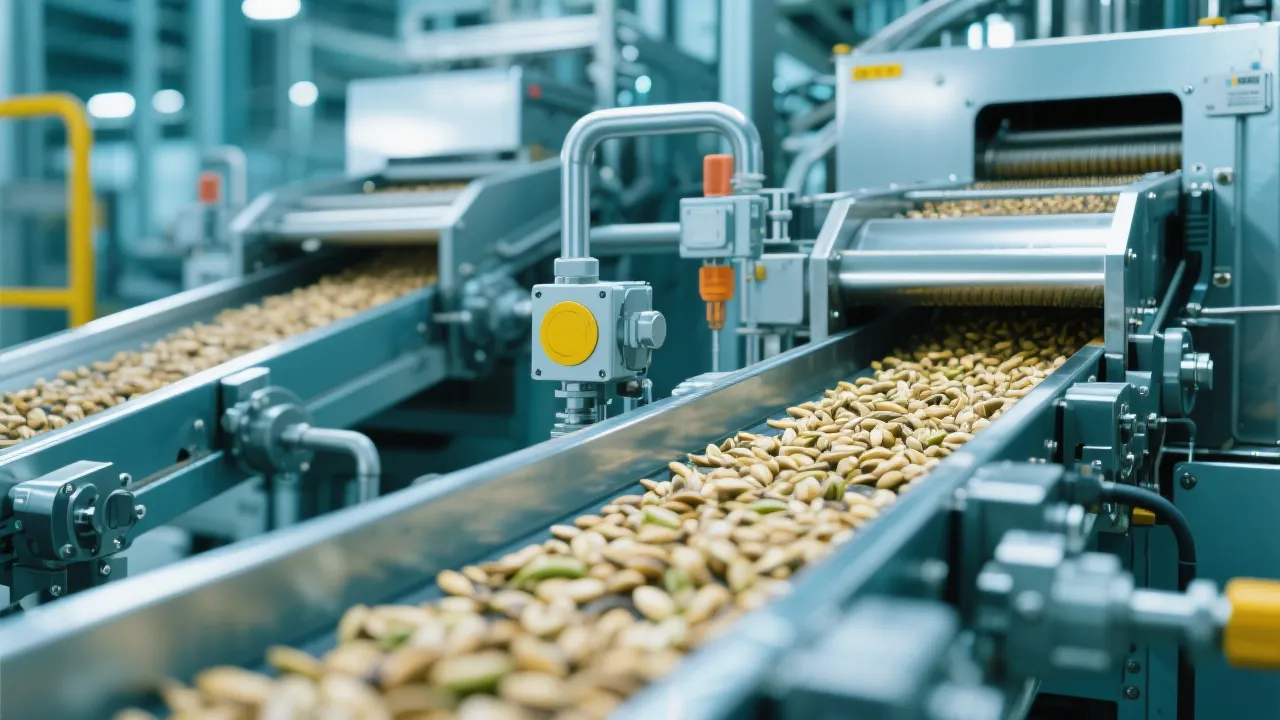
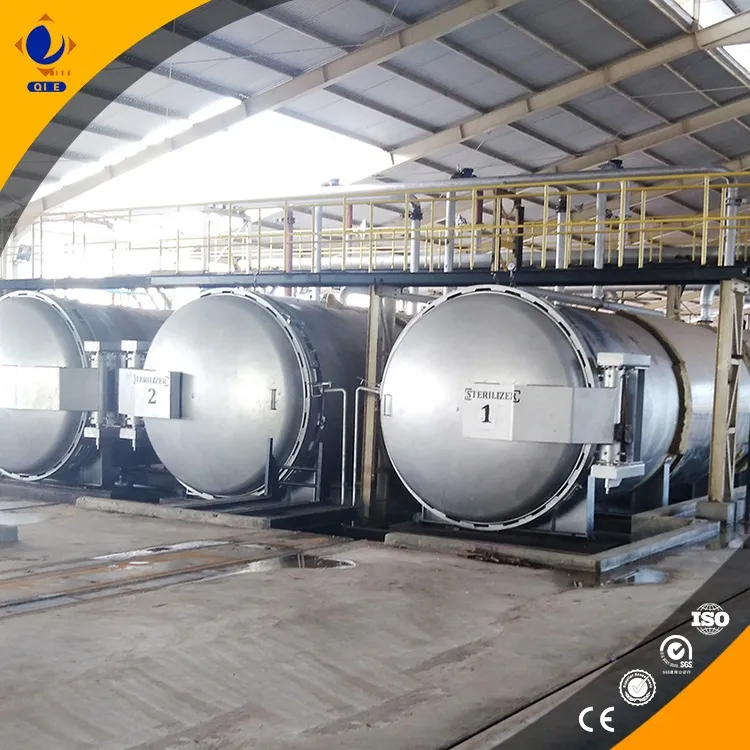
The automated refining process of rice bran oil consists of several core steps, including multi - stage filtration, degumming, deacidification, decolorization, and deodorization. Each step plays a crucial role in ensuring the safety and quality of the final product. For example, multi - stage filtration can remove large - scale impurities, reducing the risk of physical contamination. Degumming helps to remove phospholipids, which can affect the stability and shelf - life of the oil.
Online detection technology can be applied at each stage of the refining process. By continuously monitoring key quality parameters such as acid value, peroxide value, and color, it can detect any potential issues in real - time. According to industry data, the use of online detection technology can reduce the rate of sub - standard products by up to 30%.
Industry standards such as GB 2716 provide a framework for setting and validating CCP nodes. These standards define the acceptable limits for various quality parameters of edible oils. For example, the acid value of rice bran oil should not exceed a certain level to meet the safety requirements. When setting CCP nodes, manufacturers need to determine the critical control points where any deviation can pose a significant risk to food safety.
To validate CCP nodes, regular monitoring and verification are required. This can involve comparing the real - time data from the online detection system with the standard values. If any deviation is detected, corrective actions should be taken immediately. A well - established CCP management system can improve the consistency of product quality by more than 25%.
Several leading companies in the rice bran oil industry have successfully implemented CCP management with online detection technology. For instance, Company X reduced its production losses by 20% and improved customer satisfaction by 15% after adopting an automated online detection system. By minimizing human errors and ensuring consistent product quality, these companies have achieved a competitive edge in the market.
To enhance the understanding of the CCP management process, visualization tools such as data charts and flow diagrams can be used. These tools can clearly illustrate the relationship between different refining steps, CCP nodes, and quality parameters. They can also help operators and managers quickly identify potential problems and make informed decisions.
In conclusion, ensuring the food safety of rice bran oil through online detection technology and CCP management is a scientific and practical approach. It offers a way to produce high - quality, safe products while meeting industry standards. Choose the full - automatic equipment from QIE Group, and ensure that every batch of rice bran oil can pass the strictest tests. Explore QIE Group Green and Intelligent Solutions Now
 modular canola oil production line
edible oil processing equipment
rapid commissioning oil plant
flexible capacity oil refinery
automated canola oil machinery
automated sesame oil production line
closed-loop sesame oil processing system
energy-efficient oil extraction equipment
sesame oil automation technology
food-grade oil production line
fully automated sesame oil production line
edible oil machinery automation
energy-efficient sesame oil equipment
food safety production system
production efficiency optimization
automated sesame oil production
fully enclosed production system
energy-efficient grain and oil machinery
automated sesame oil filling technology
eco-friendly sesame oil processing
PLC control system for edible oil production
automated oil processing line
industrial automation in food manufacturing
edible oil production efficiency optimization
PLC-based process control
modular canola oil production line
edible oil processing equipment
rapid commissioning oil plant
flexible capacity oil refinery
automated canola oil machinery
automated sesame oil production line
closed-loop sesame oil processing system
energy-efficient oil extraction equipment
sesame oil automation technology
food-grade oil production line
fully automated sesame oil production line
edible oil machinery automation
energy-efficient sesame oil equipment
food safety production system
production efficiency optimization
automated sesame oil production
fully enclosed production system
energy-efficient grain and oil machinery
automated sesame oil filling technology
eco-friendly sesame oil processing
PLC control system for edible oil production
automated oil processing line
industrial automation in food manufacturing
edible oil production efficiency optimization
PLC-based process control


.jpg?x-oss-process=image/resize,h_800,m_lfit/format,webp)



.png?x-oss-process=image/resize,h_100,m_lfit/format,webp)
.png?x-oss-process=image/resize,h_100,m_lfit/format,webp)
.png?x-oss-process=image/resize,h_100,m_lfit/format,webp)