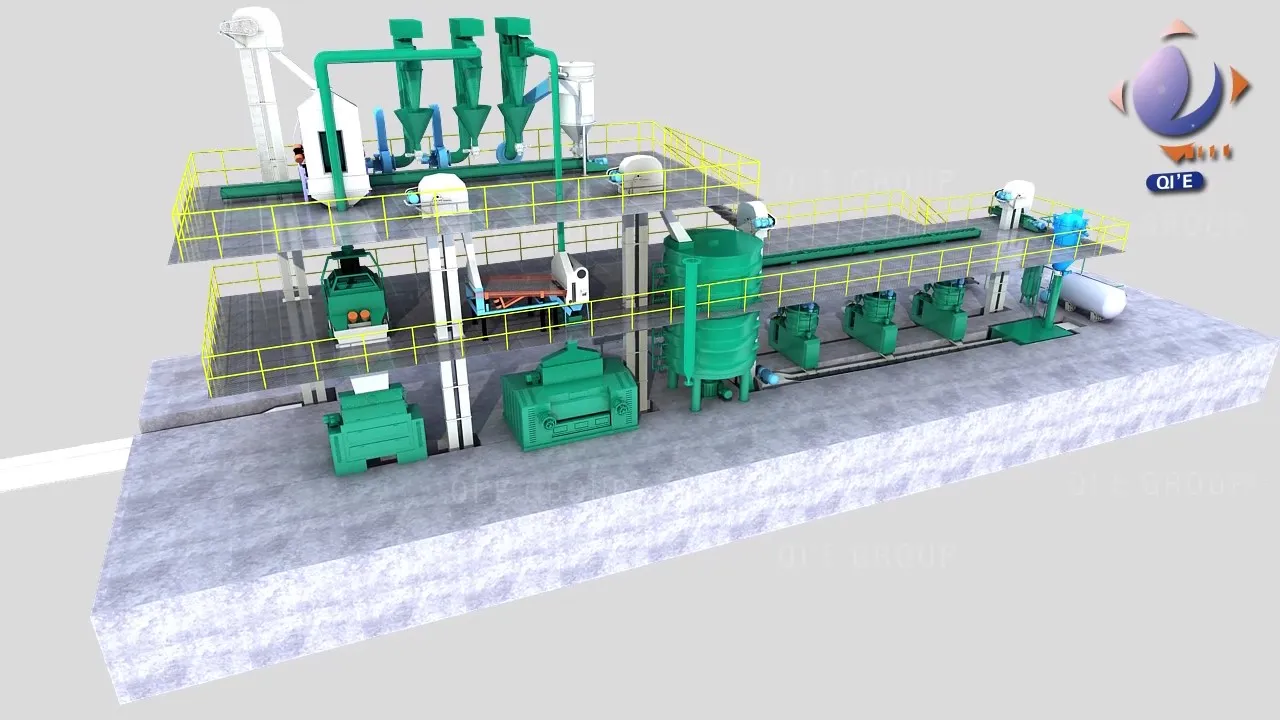
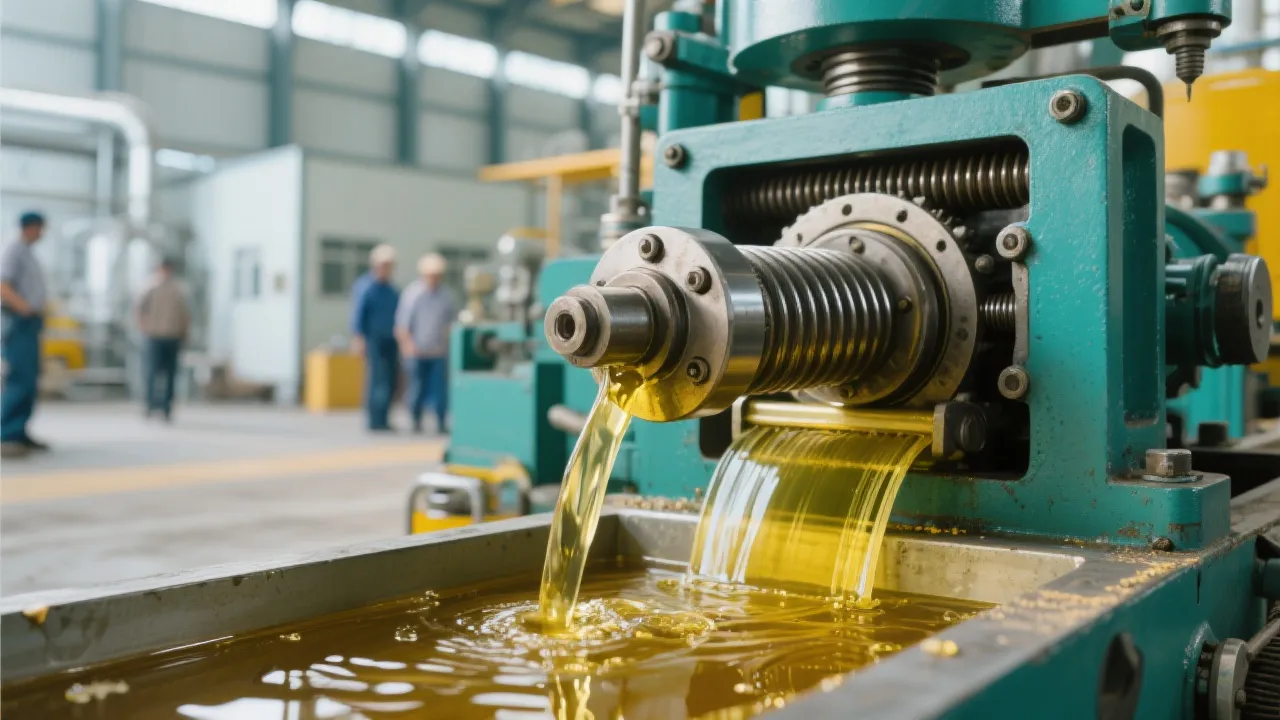
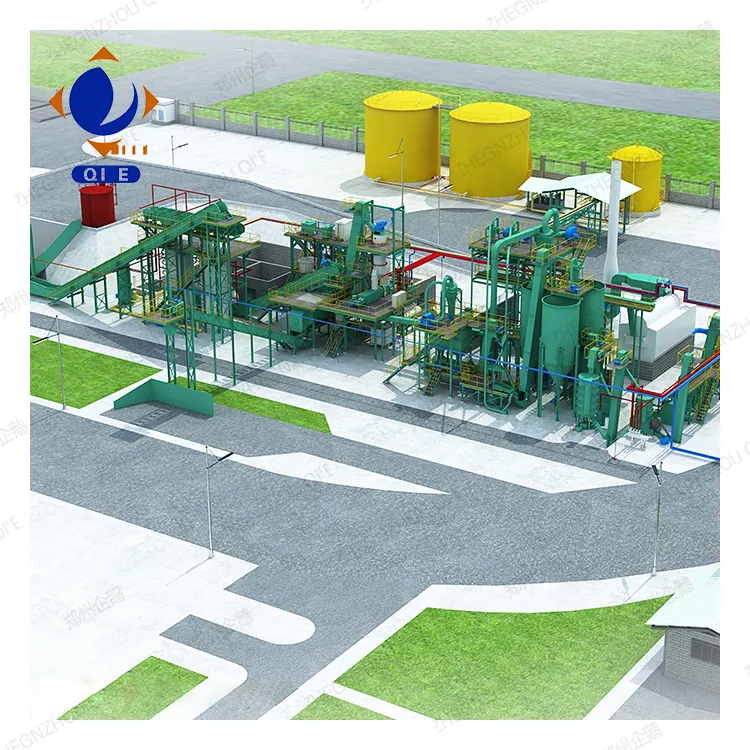
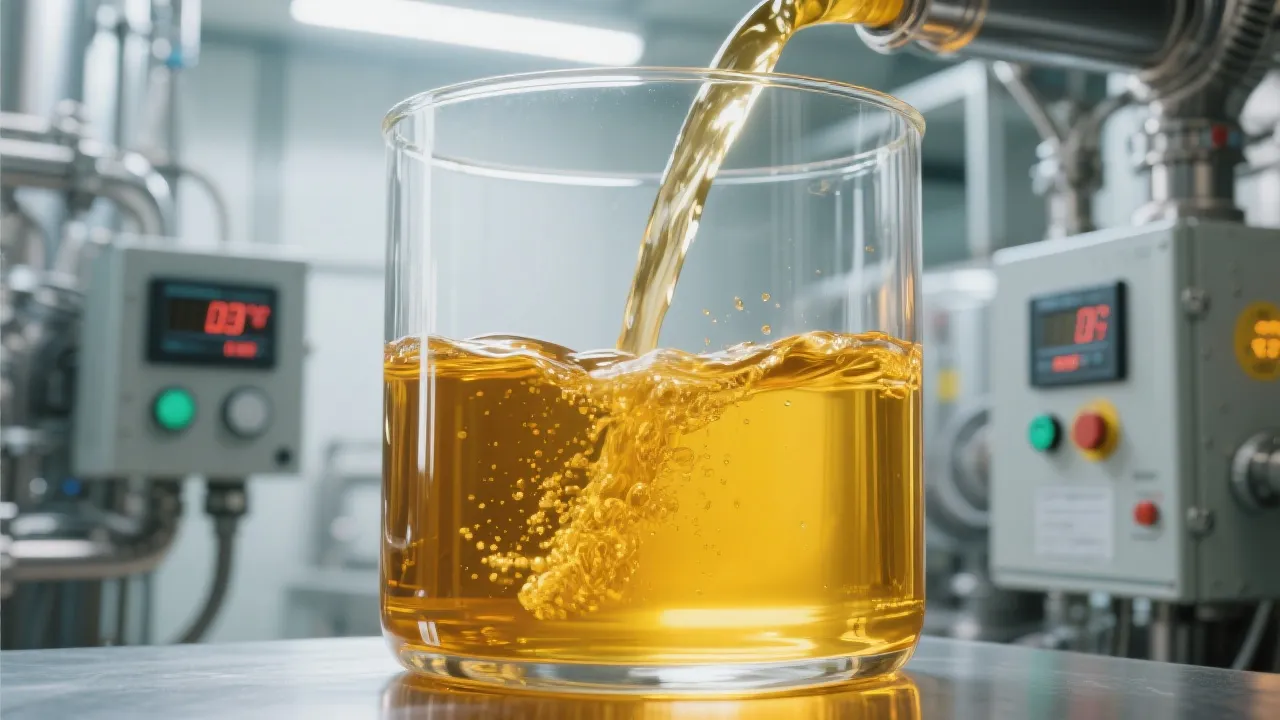
Rice bran oil has gained global recognition as a healthy edible oil, prized for its balanced fatty acid profile and high antioxidant content. However, ensuring its purity and compliance with international food safety standards remains a critical challenge for manufacturers targeting export markets. QIE Group’s innovative energy-efficient fully automated equipment addresses this with multi-stage refining processes that consistently enhance oil purity while optimizing production costs and minimizing environmental impact.
Purity in rice bran oil directly affects its sensory qualities, shelf life, and nutritional value. Contaminants such as free fatty acids, phospholipids, pigments, and volatile compounds must be carefully reduced below regulatory thresholds to meet standards including Codex Alimentarius and FDA edible oil regulations. For export-driven manufacturers, adhering to these benchmarks is pivotal to maintaining buyer trust and market access.
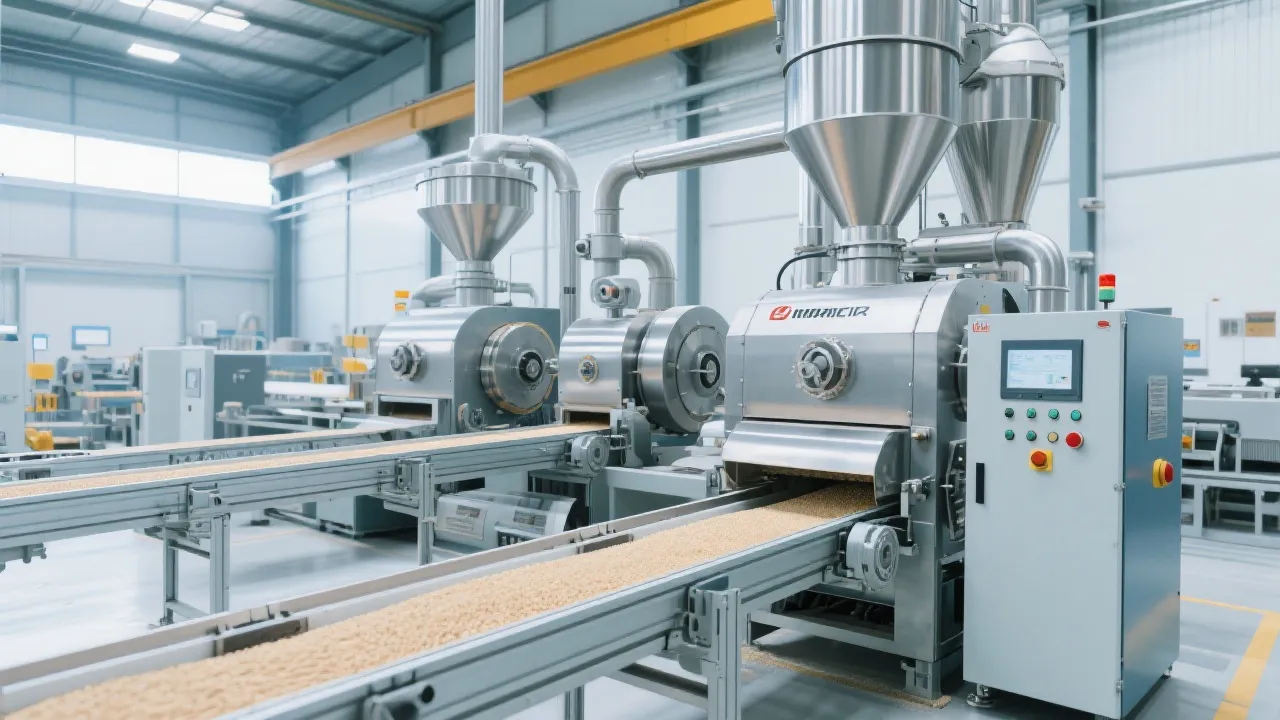
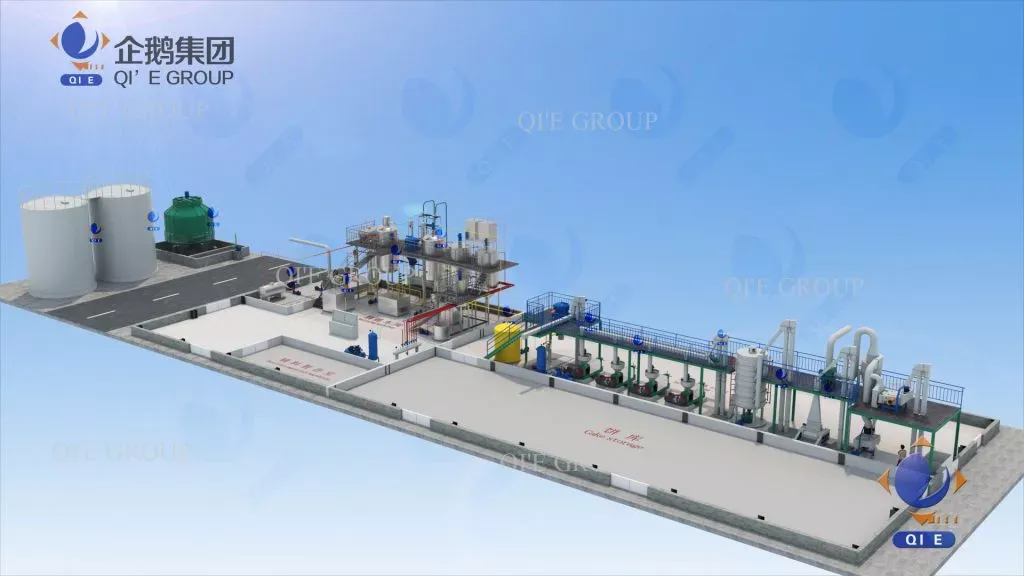
Penguin’s fully automated refining system integrates five key operations optimized by precise control algorithms:
The seamless orchestration of these steps by the automation system maintains optimal temperature and residence time, eliminating manual errors and fluctuations.
With global pressures to reduce carbon footprints and operational expenses, QIE Group’s equipment incorporates patented heat recovery units, variable frequency drives (VFDs), and real-time energy consumption monitoring. This results in up to 30% savings on energy use compared to conventional setups.
Wastewater from degumming and neutralization stages is processed through integrated treatment modules minimizing effluent impact. Solid bleaching earth residues are collected for potential safe disposal or recycling, aligning with global environmental regulations such as EU Waste Framework Directive.
The system applies HACCP principles identifying Critical Control Points, including pH control in deacidification and bleaching earth dosing. Embedded sensors and inline analyzers continuously measure free fatty acid levels, peroxide value, moisture content, and color metrics. Data logging and alarm triggers allow instant adjustments, ensuring consistent compliance with export food safety standards.
Inline near-infrared spectroscopy (NIR) further assists in monitoring oil composition, enabling batch traceability and certification transparency sought by international buyers.
A leading rice bran oil exporter deployed Penguin’s automated system at its 20,000-ton annual capacity plant. Within six months, oil purity consistency improved from 85% to 98%, while FFA average dropped under 0.05%. Simultaneously, production efficiency increased by 25% through reduced downtime—owing to system diagnostics and automated maintenance alerts.
Such improvements translated into stronger acceptance by FDA-compliant buyers in North America and stringent EU markets, enabling expanded market penetration.
For technical managers and business decision-makers striving to meet rising global quality expectations and environmental mandates, adopting advanced automated refining equipment offers unrivaled advantages. QIE Group’s technology embodies not only process precision but also eco-conscious manufacturing, ensuring competitive edge and compliance harmonization.
Investment in such systems paves the way for scalable, resilient operations that uphold health standards while driving down operational risks linked to human error. The result is oil products that command premium market trust and support sustainable growth.
 Automated sesame oil production line technology
Advantages of fully enclosed production systems
Environmental and energy-saving grain and oil equipment
Automatic control of sesame oil production lines
Energy-saving design of grain and oil machinery
automated sesame oil production line
oil processing automation
closed system food safety
intelligent oil refining
ISO9001 compliant food manufacturing
automated sesame oil production line
energy-efficient oil processing equipment
closed-loop sesame oil system
sesame oil production efficiency
green grain machinery solutions
rapeseed oil extraction methods
cold pressed rapeseed oil
solvent extraction process
edible oil production optimization
high-value vegetable oil manufacturing
PLC control system troubleshooting
edible oil production line automation
sensor false alarm detection
industrial automation maintenance
process control optimization
Automated sesame oil production line technology
Advantages of fully enclosed production systems
Environmental and energy-saving grain and oil equipment
Automatic control of sesame oil production lines
Energy-saving design of grain and oil machinery
automated sesame oil production line
oil processing automation
closed system food safety
intelligent oil refining
ISO9001 compliant food manufacturing
automated sesame oil production line
energy-efficient oil processing equipment
closed-loop sesame oil system
sesame oil production efficiency
green grain machinery solutions
rapeseed oil extraction methods
cold pressed rapeseed oil
solvent extraction process
edible oil production optimization
high-value vegetable oil manufacturing
PLC control system troubleshooting
edible oil production line automation
sensor false alarm detection
industrial automation maintenance
process control optimization







.png?x-oss-process=image/resize,h_100,m_lfit/format,webp)
.png?x-oss-process=image/resize,h_100,m_lfit/format,webp)
.png?x-oss-process=image/resize,h_100,m_lfit/format,webp)