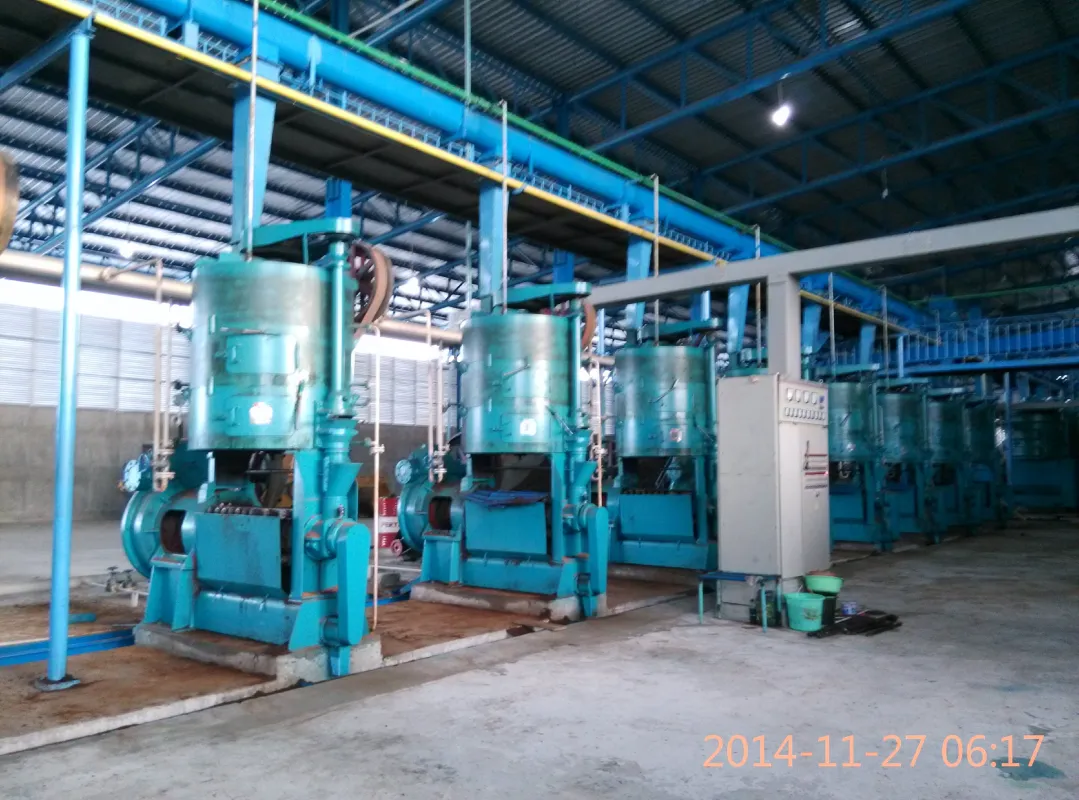
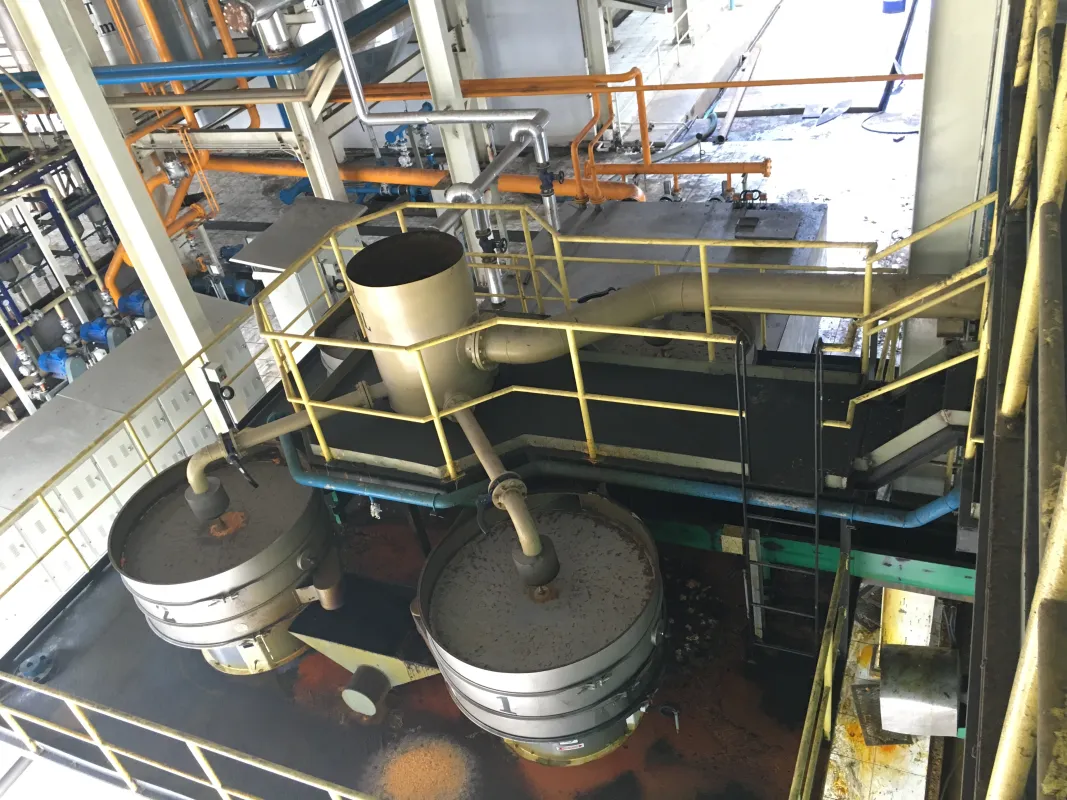
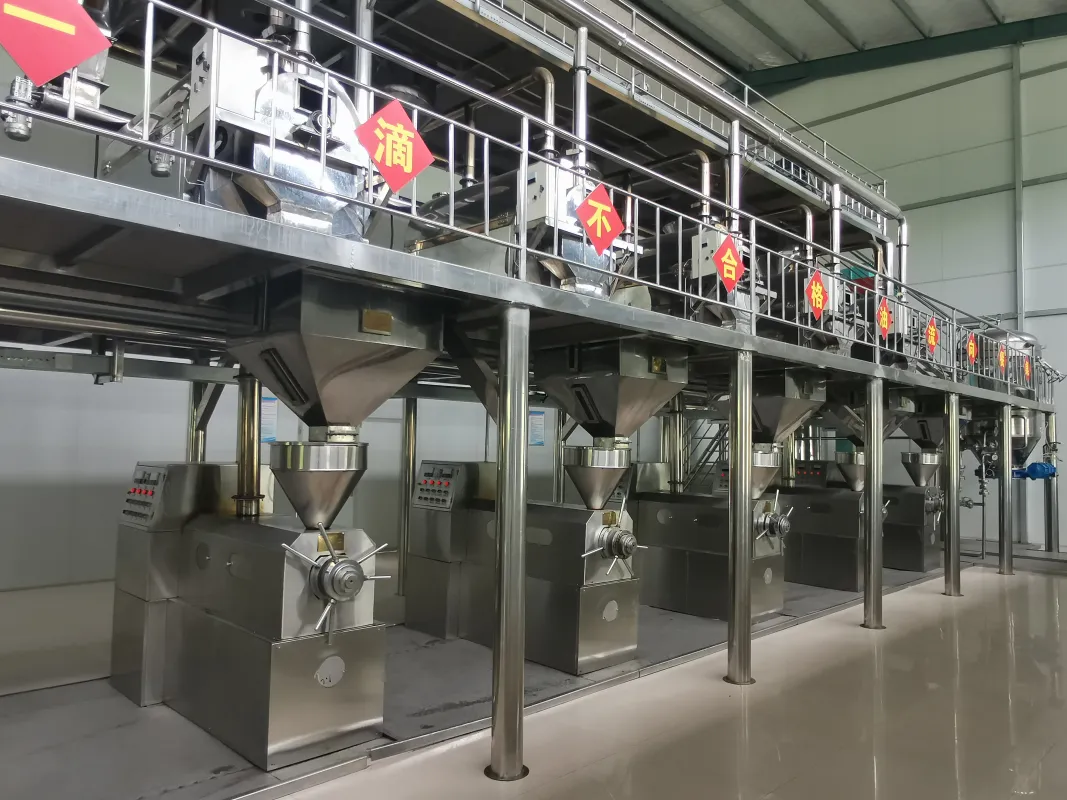
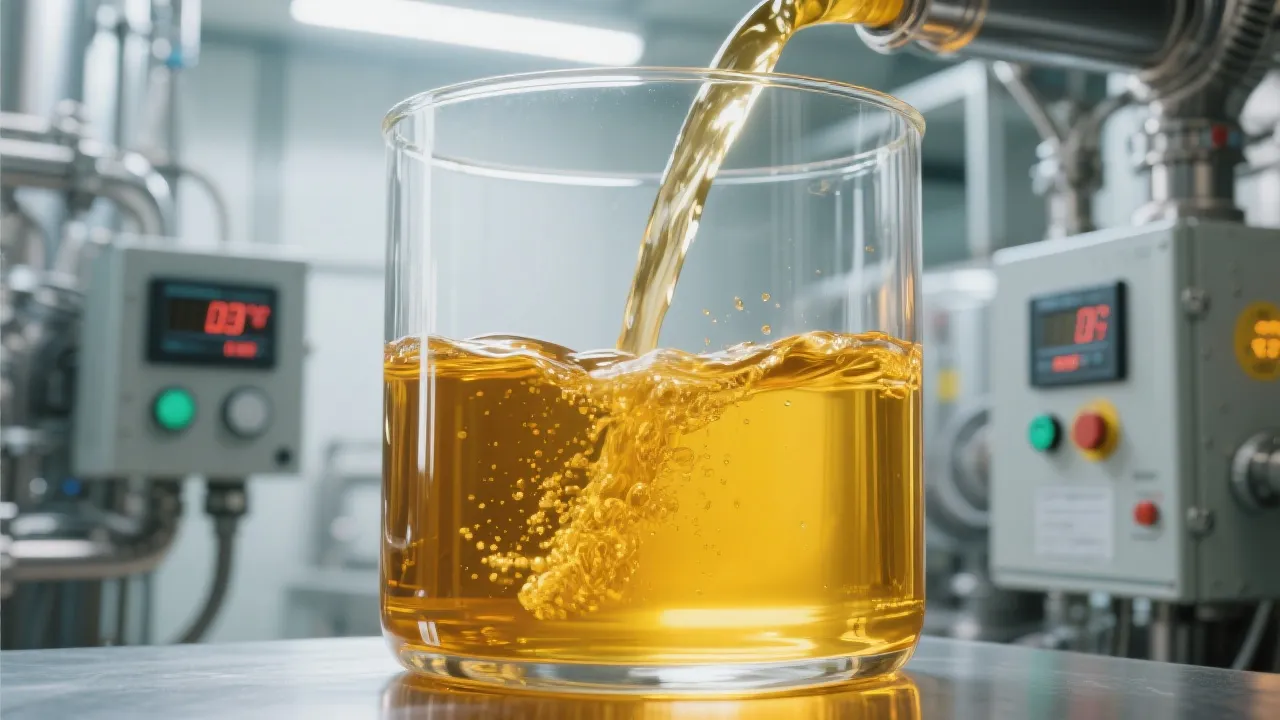
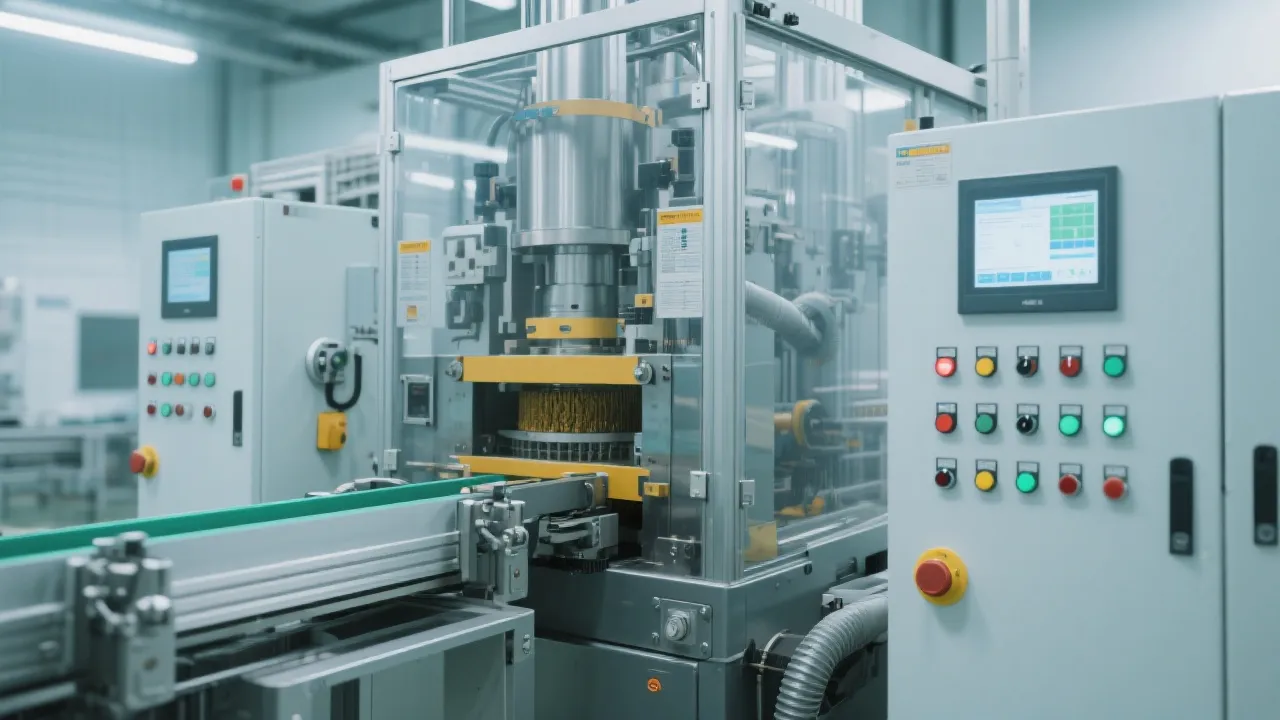
For food processors seeking consistent quality, regulatory compliance, and operational efficiency, rice bran oil refining is no longer just a technical process—it's a strategic advantage. Modern automation systems are transforming how manufacturers achieve high-purity oil while meeting global standards like GB 2716 and beyond.
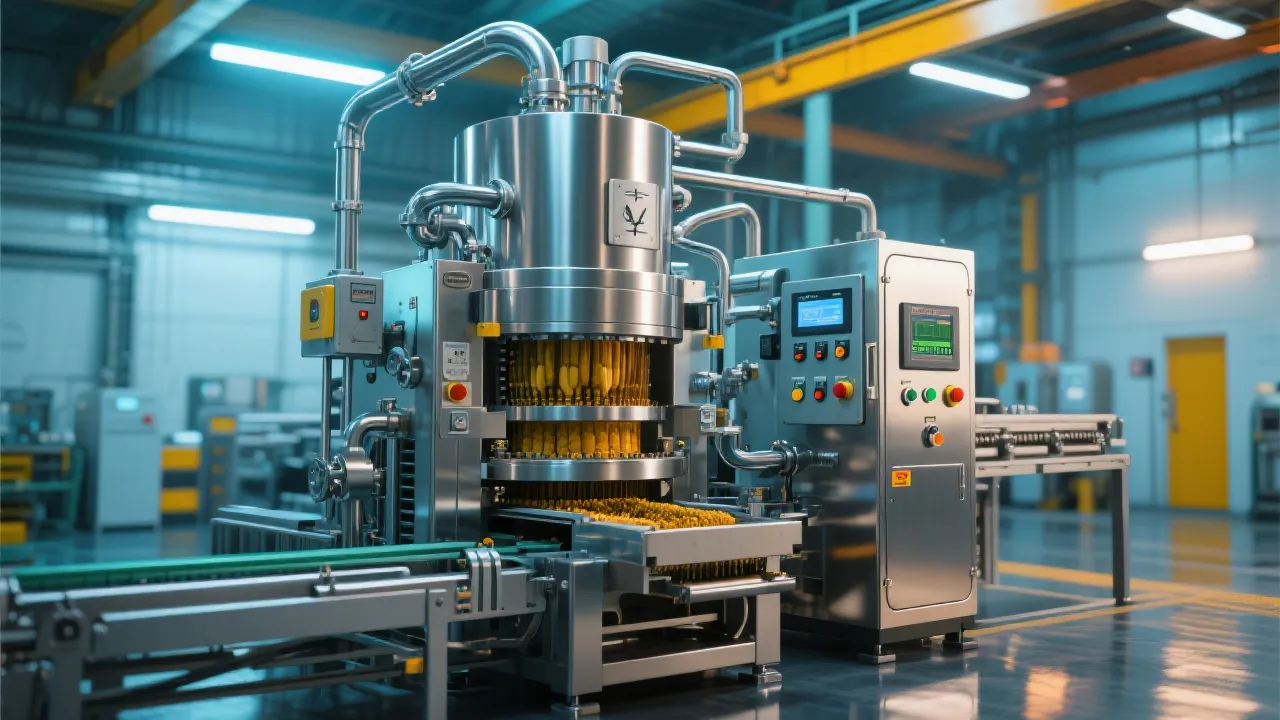
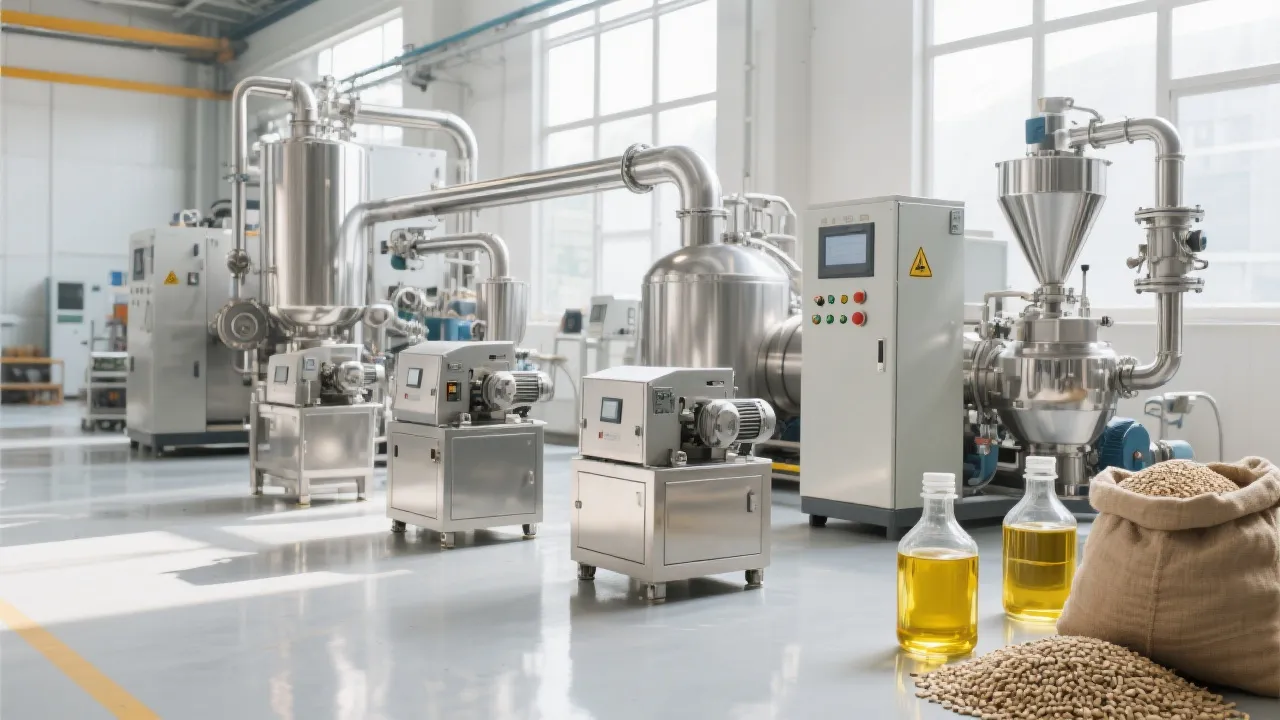
The journey from crude rice bran oil to premium edible oil involves five critical steps: degumming, deacidification, bleaching, deodorization, and final filtration. Each stage targets specific impurities—free fatty acids (FFA), phospholipids, pigments, odors, and trace metals—that compromise shelf life and safety.
“In automated systems, FFA levels can be reduced from 3% down to below 0.1%, ensuring compliance with international food safety benchmarks.” — Dr. Lin Wei, Food Processing Engineer at China National Grain & Oils Association
Multi-level filtration isn’t just about removing solids—it’s about precision. A typical system includes:
Studies show that multi-stage filtration reduces total polar compounds by up to 60%, directly improving oxidative stability—a key metric for oil shelf life.
With Critical Control Points (CCP) mapped across each step, modern refineries use inline sensors to monitor temperature, pH, moisture, and FFA levels in real time. For example:
| Process Step | Key CCP Parameter | Target Range |
|---|---|---|
| Deacidification | Free Fatty Acid (FFA) | ≤ 0.1% |
| Bleaching | Color (ASTM) | ≤ 10 RVO |
| Deodorization | Total Volatile Compounds | ≤ 5 ppm |
A leading Chinese vegetable oil producer reported a 40% drop in batch variability after implementing an automated rice bran oil refining line. Their production consistency improved significantly—from 78% uniformity pre-automation to 96% post-implementation—and they achieved full compliance with EU and US FDA standards.
Discover how our advanced automated rice bran oil refining equipment helps you meet global purity standards with minimal human error and maximum efficiency.
Explore Our Automated Refining Solutions PLC control system troubleshooting
edible oil production line maintenance
fully automatic rapeseed oil equipment
industrial automation operation and maintenance
equipment OEE optimization
automated sesame oil production line
closed-loop oil processing system
energy-efficient oil extraction equipment
sesame oil production technology challenges
intelligent control in food processing
Modular rapeseed oil production line
Edible oil production line construction
Quick production start - up
Flexible production capacity configuration
International food production standards
Modular rapeseed oil production line
Edible oil production line construction
Rapid production
Flexible capacity configuration
Standard operation manual
automated sesame oil production line
PLC parameter tuning
energy-saving control system
industrial automation maintenance
process optimization for oil extraction
PLC control system troubleshooting
edible oil production line maintenance
fully automatic rapeseed oil equipment
industrial automation operation and maintenance
equipment OEE optimization
automated sesame oil production line
closed-loop oil processing system
energy-efficient oil extraction equipment
sesame oil production technology challenges
intelligent control in food processing
Modular rapeseed oil production line
Edible oil production line construction
Quick production start - up
Flexible production capacity configuration
International food production standards
Modular rapeseed oil production line
Edible oil production line construction
Rapid production
Flexible capacity configuration
Standard operation manual
automated sesame oil production line
PLC parameter tuning
energy-saving control system
industrial automation maintenance
process optimization for oil extraction




.png?x-oss-process=image/resize,h_100,m_lfit/format,webp)
.png?x-oss-process=image/resize,h_100,m_lfit/format,webp)
.png?x-oss-process=image/resize,h_100,m_lfit/format,webp)