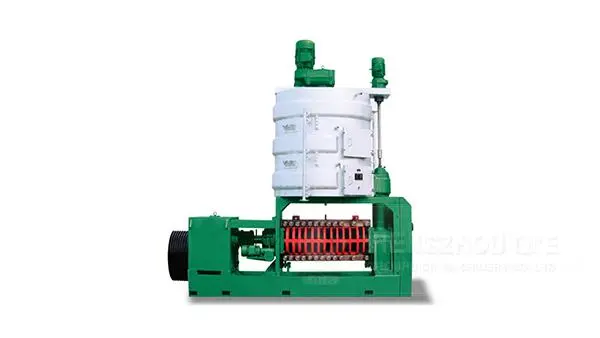
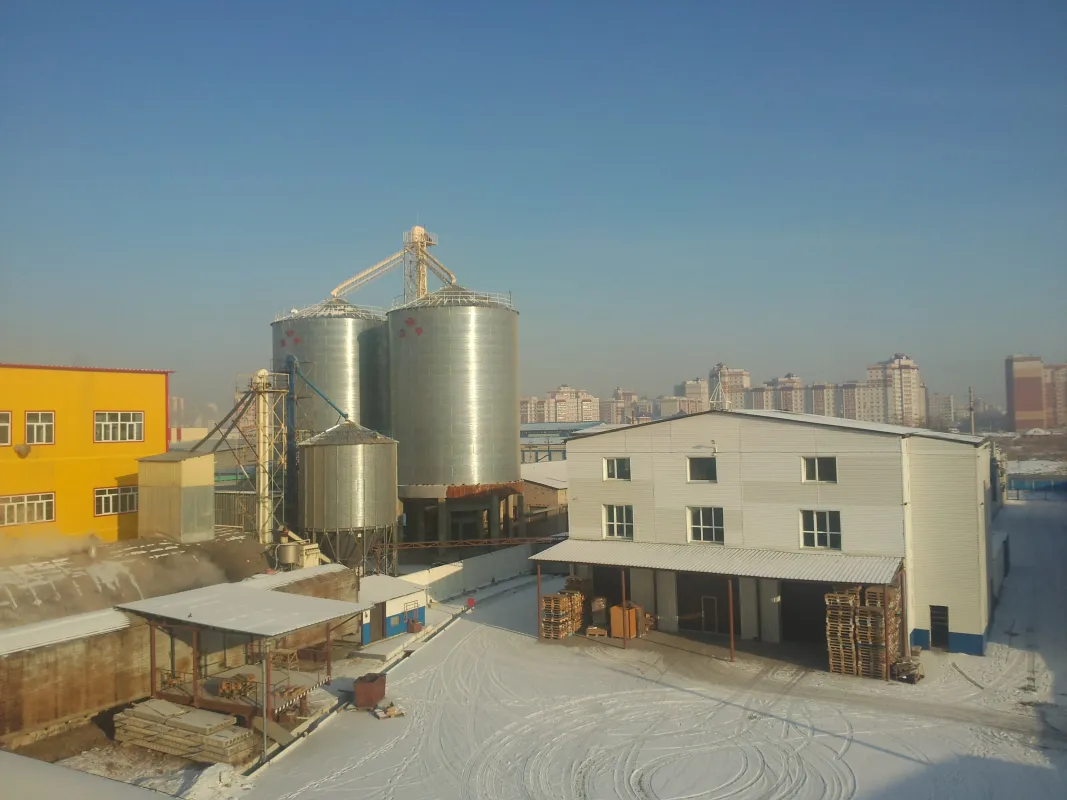
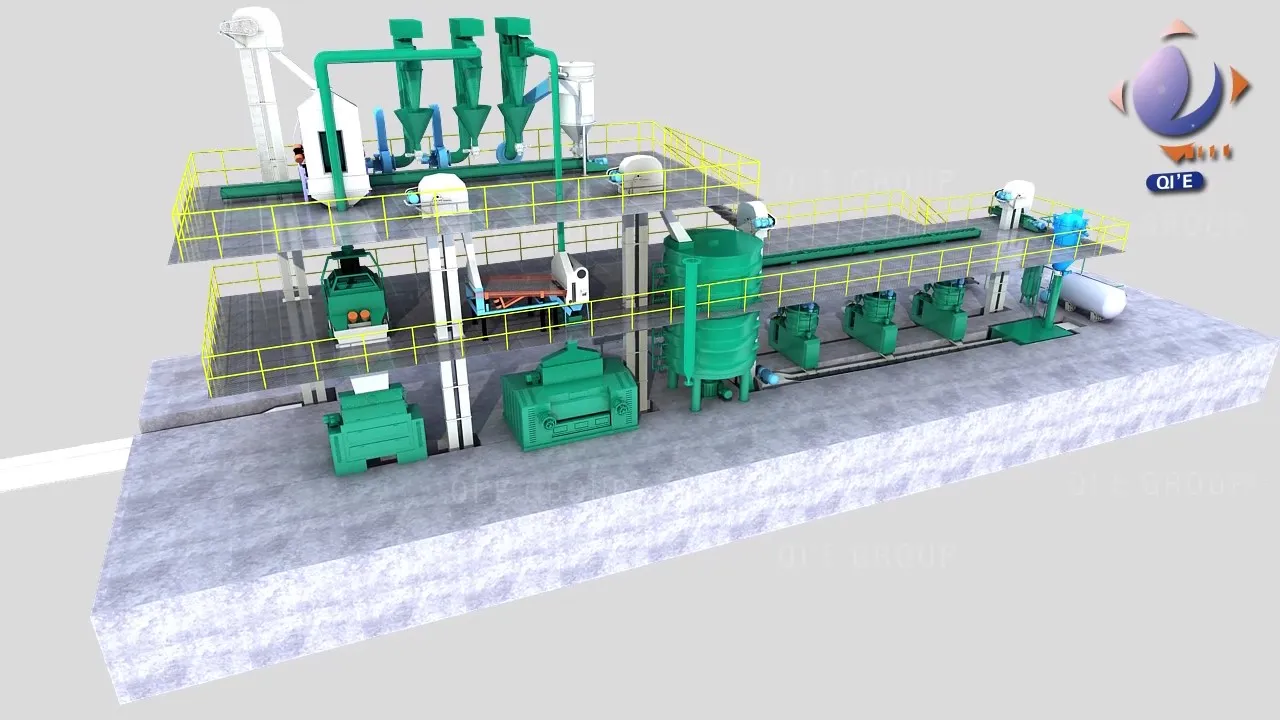
In the global market, export - oriented enterprises face numerous compliance challenges. For instance, a recent industry report shows that over 60% of export - oriented food processing companies have encountered trade barriers related to equipment non - compliance. Selecting the right rice bran oil refining equipment is crucial as it directly impacts product quality and market access.
The ISO9001 Quality Management System and HACCP Food Safety Management System are indispensable in the selection of rice bran oil refining equipment. ISO9001 ensures that the equipment manufacturing process is standardized. A well - known rice bran oil processing company in Thailand improved its production efficiency by 30% after implementing ISO9001 - compliant equipment. HACCP, on the other hand, focuses on food safety hazards. It requires that every step of the equipment operation minimizes potential risks to the final product.
FDA and EU regulations have specific technical and design requirements for rice bran oil refining equipment. For example, the FDA mandates strict control over the use of food - contact materials. The EU requires that equipment design facilitates easy cleaning and maintenance. Non - compliance with these regulations can lead to product recalls. In 2022, a company in the Middle East had to recall its rice bran oil products due to non - compliant equipment design, resulting in a loss of approximately $500,000.
In terms of material selection, international standards recommend using high - quality stainless steel for food - contact parts. For sealing performance, the leakage rate should be less than 0.1%. Cleaning verification requires that the equipment can be thoroughly cleaned within a specified time frame, usually within 2 hours. These standards ensure the safety and quality of the refined rice bran oil.
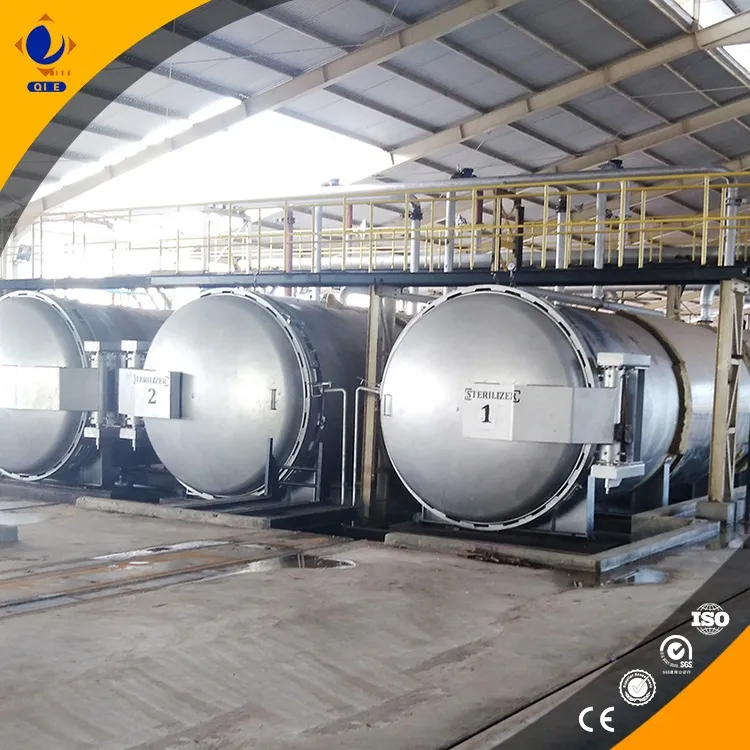
The certification process for rice bran oil refining equipment involves multiple steps, including product inspection, documentation review, and on - site audits. Third - party testing is a key part of this process. A well - known third - party testing agency, SGS, has strict testing procedures to ensure equipment compliance. The overall certification process can take 3 - 6 months, depending on the complexity of the equipment.
Feedback from customers in Southeast Asia and the Middle East reveals common problems such as difficulty in equipment maintenance and high energy consumption. For example, a customer in Indonesia reported that the equipment they purchased had a high energy consumption rate, which increased production costs by 15%. Solutions include providing better after - sales technical support and optimizing equipment design.
An export - oriented enterprise can use a comprehensive evaluation framework for equipment selection. This framework includes factors such as compliance, performance, cost - effectiveness, and after - sales service. By using this framework, enterprises can make more informed procurement decisions.
To enhance user engagement, an FAQ section and expert interviews are added. The FAQ addresses common questions such as "What is the certification validity period?" and "How often should the equipment be maintained?" SEO optimization is also crucial. By using relevant keywords such as "rice bran oil refining equipment international certification", the content can attract more targeted traffic.
For enterprises seeking high - quality rice bran oil refining equipment and reliable technical support, QIE Group is your ideal choice. Our products meet international standards and come with excellent after - sales service. Click here to learn more about QIE Group products and technical support services.
 Modular rapeseed oil production line
Edible oil production line construction
Quick commissioning
Flexible capacity configuration
Edible oil production process optimization
PLC temperature closed - loop control
Edible oil pressing process
Fully automated rapeseed oil production line
Intelligent control system
Food - grade production equipment
rapeseed oil extraction process
cold pressing extraction
solvent extraction
oil yield and nutrition
edible oil production line
automated sesame oil production line
PLC parameter tuning
energy-saving control system
industrial automation maintenance
process optimization for oil extraction
Sesame oil production line automatic control
PLC parameter optimization
Fault troubleshooting manual
Automation control scheme
Production line maintenance guide
Modular rapeseed oil production line
Edible oil production line construction
Quick commissioning
Flexible capacity configuration
Edible oil production process optimization
PLC temperature closed - loop control
Edible oil pressing process
Fully automated rapeseed oil production line
Intelligent control system
Food - grade production equipment
rapeseed oil extraction process
cold pressing extraction
solvent extraction
oil yield and nutrition
edible oil production line
automated sesame oil production line
PLC parameter tuning
energy-saving control system
industrial automation maintenance
process optimization for oil extraction
Sesame oil production line automatic control
PLC parameter optimization
Fault troubleshooting manual
Automation control scheme
Production line maintenance guide

.jpg?x-oss-process=image/resize,h_800,m_lfit/format,webp)




.png?x-oss-process=image/resize,h_100,m_lfit/format,webp)
.png?x-oss-process=image/resize,h_100,m_lfit/format,webp)
.png?x-oss-process=image/resize,h_100,m_lfit/format,webp)