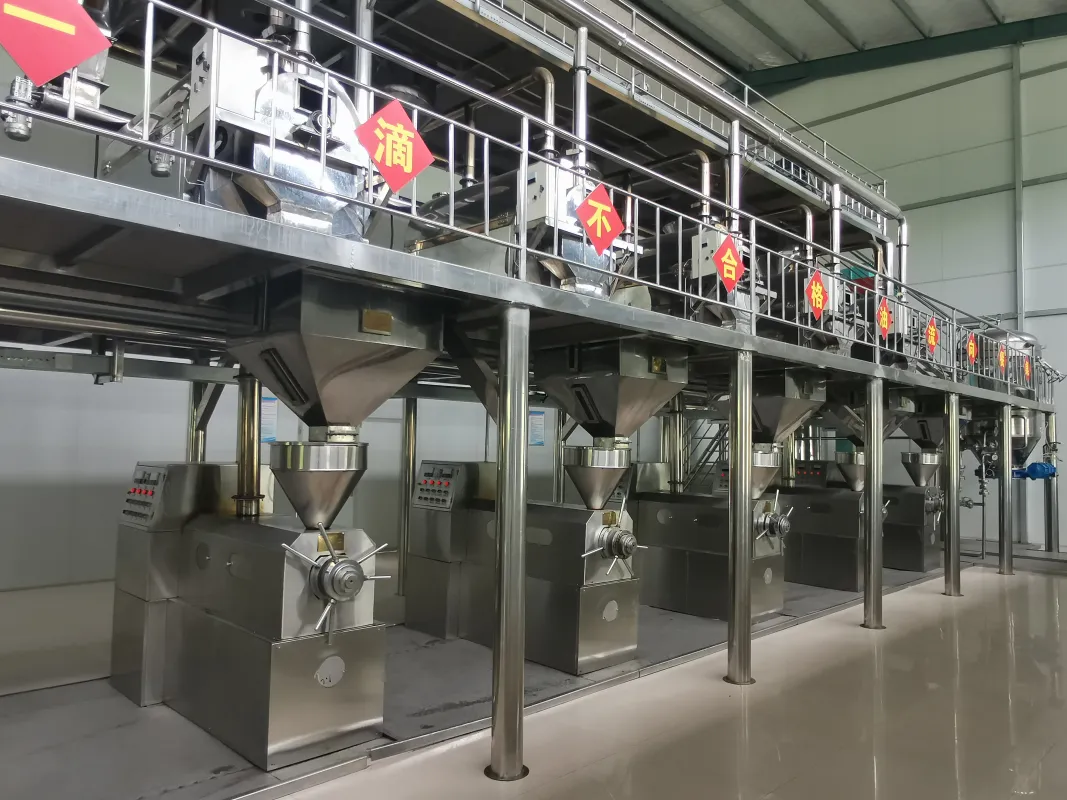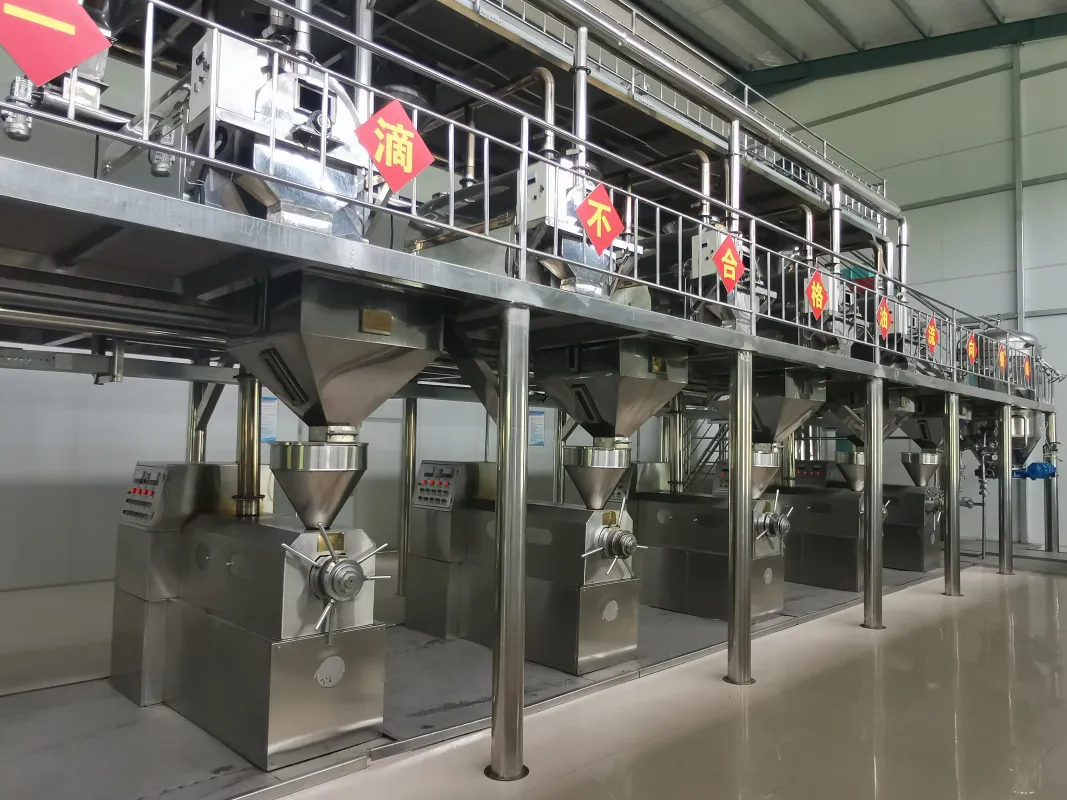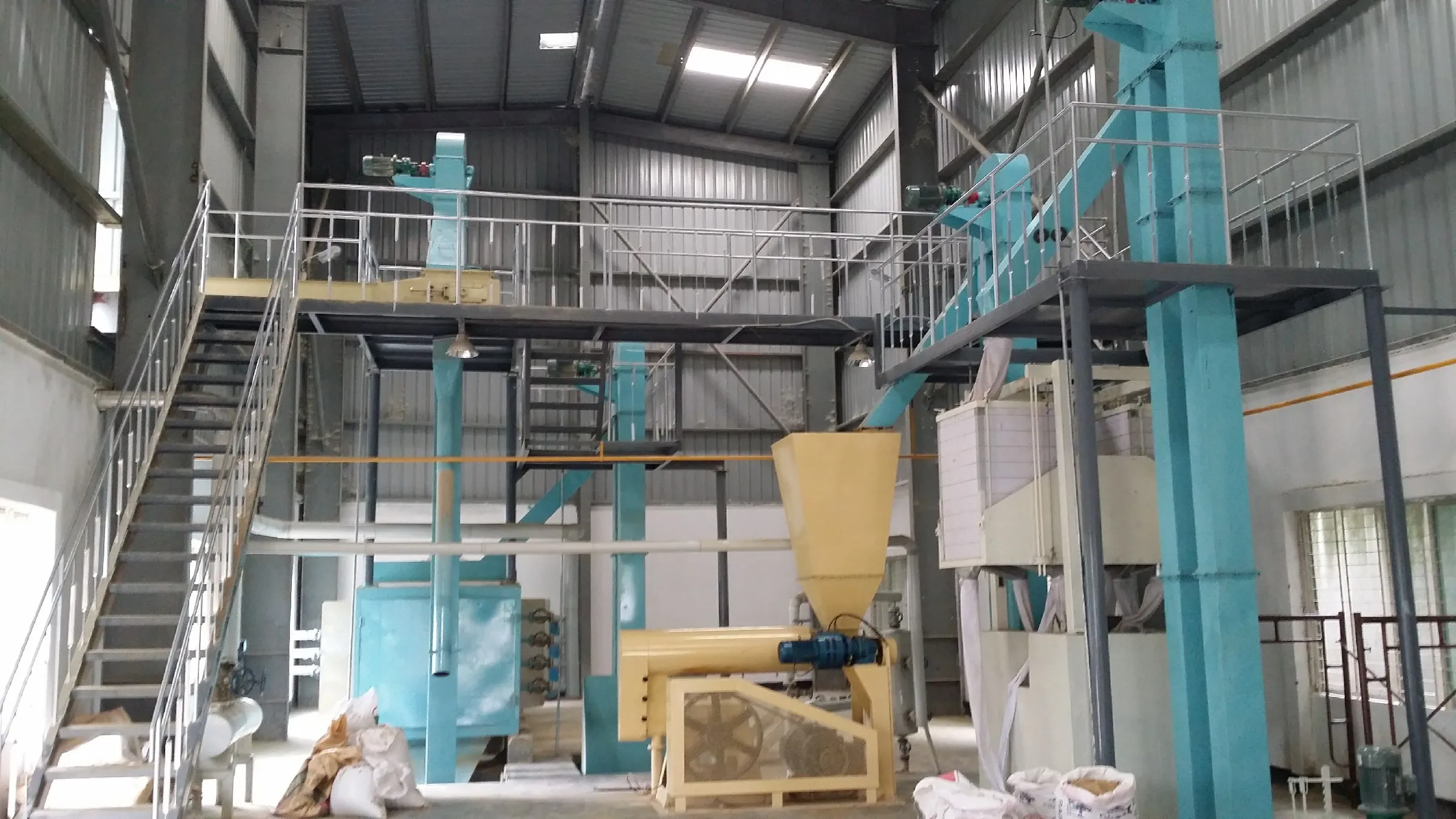
In the realm of rice bran oil processing, the pretreatment stage is crucial for ensuring high - quality oil production. This article focuses on the rice bran pretreatment process in the energy - saving and environmentally friendly fully automated rice bran oil processing equipment of QIE Group, delving into how to effectively control moisture and impurity content through an automated system.
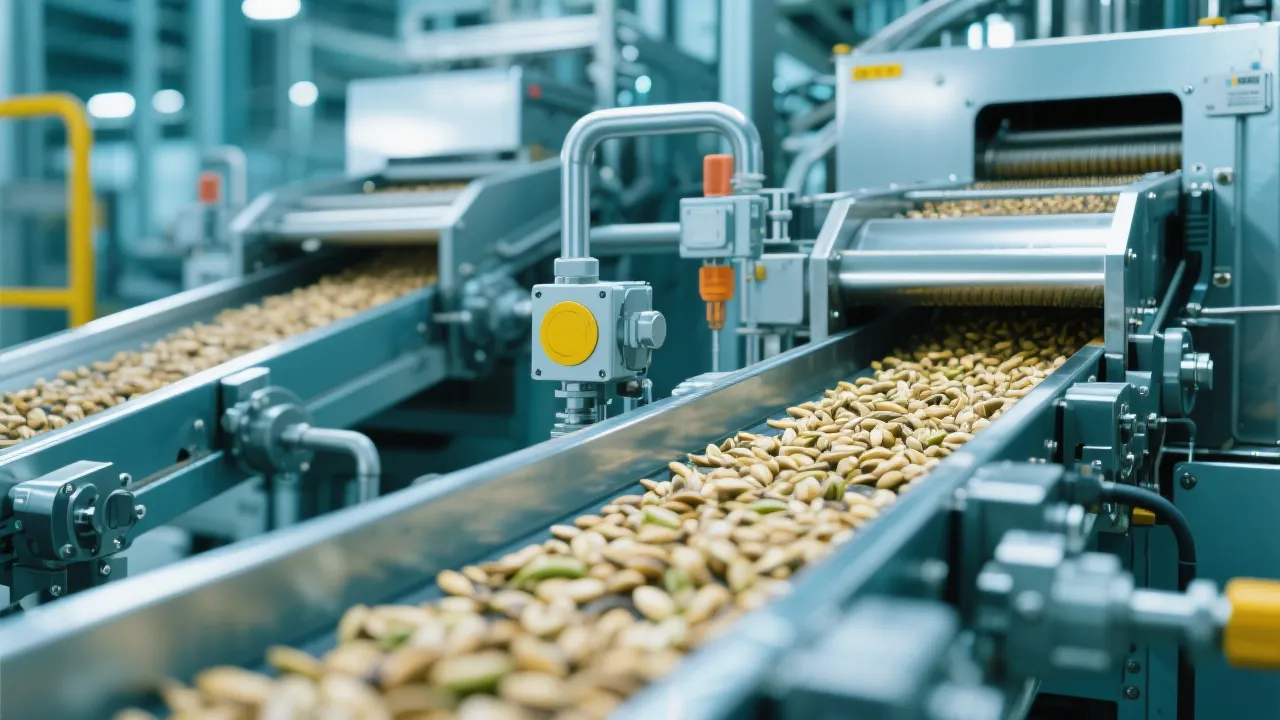
In the automated rice bran oil processing line, several advanced impurity removal technologies are integrated. Screening is the first step. By using screens with different mesh sizes, large and small impurities can be effectively removed. For example, in a typical rice bran processing plant, a screen with a mesh size of 2 - 3 mm can remove large debris such as straw and stones. The efficiency of screening can reach up to 95%, significantly reducing the load on subsequent processing steps.
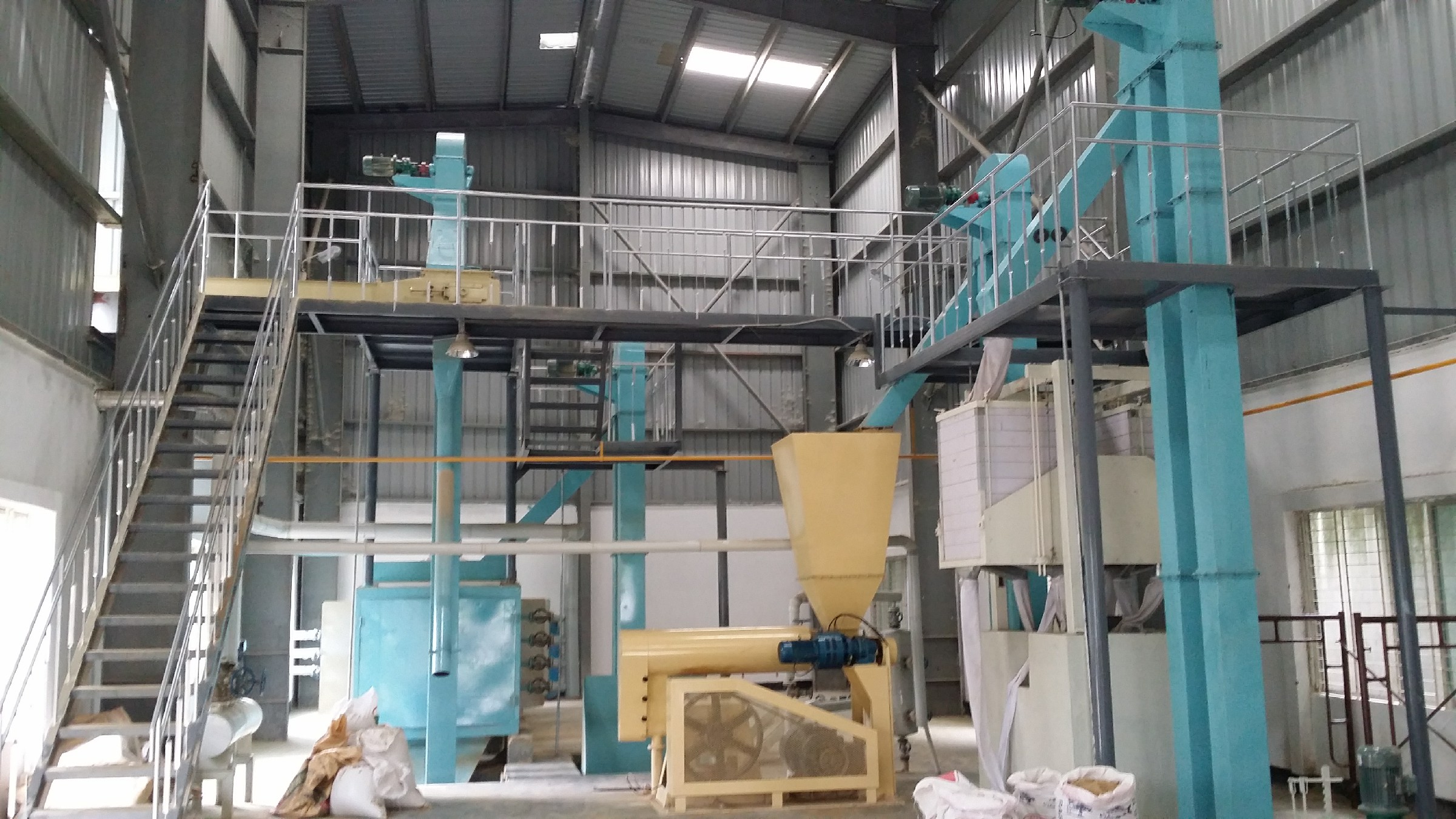
Magnetic separation is another essential technology. Ferrous impurities in rice bran can be attracted by strong magnets, preventing damage to processing equipment. In a well - designed magnetic separator, the removal rate of ferrous impurities can be as high as 98%. Wind separation is also widely used. By adjusting the wind speed and direction, light impurities such as dust and husks can be blown away. The efficiency of wind separation can reach about 90%, ensuring the purity of rice bran.
Controlling the moisture content of rice bran is vital for the efficiency of the degreasing process and the quality of the final oil product. A well - designed drying temperature gradient is the key to effective moisture control. For instance, in the initial stage of drying, the temperature can be set at around 80 - 90°C to quickly evaporate the surface moisture. As the moisture content decreases, the temperature can be gradually reduced to 60 - 70°C to avoid over - drying and damage to the rice bran structure.
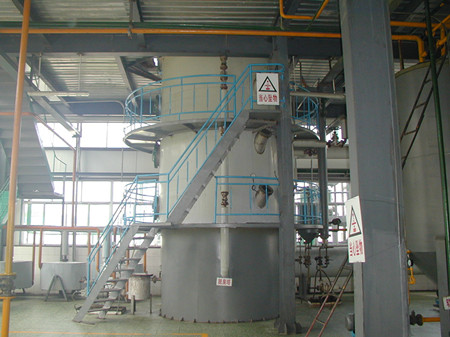
In a real - world factory case, a rice bran oil processing plant implemented this drying temperature gradient strategy. The moisture content of the rice bran was reduced from an initial 18% to a stable 8 - 10%, which is the optimal range for the degreasing process. This not only improved the degreasing efficiency by about 15% but also enhanced the quality of the extracted oil.
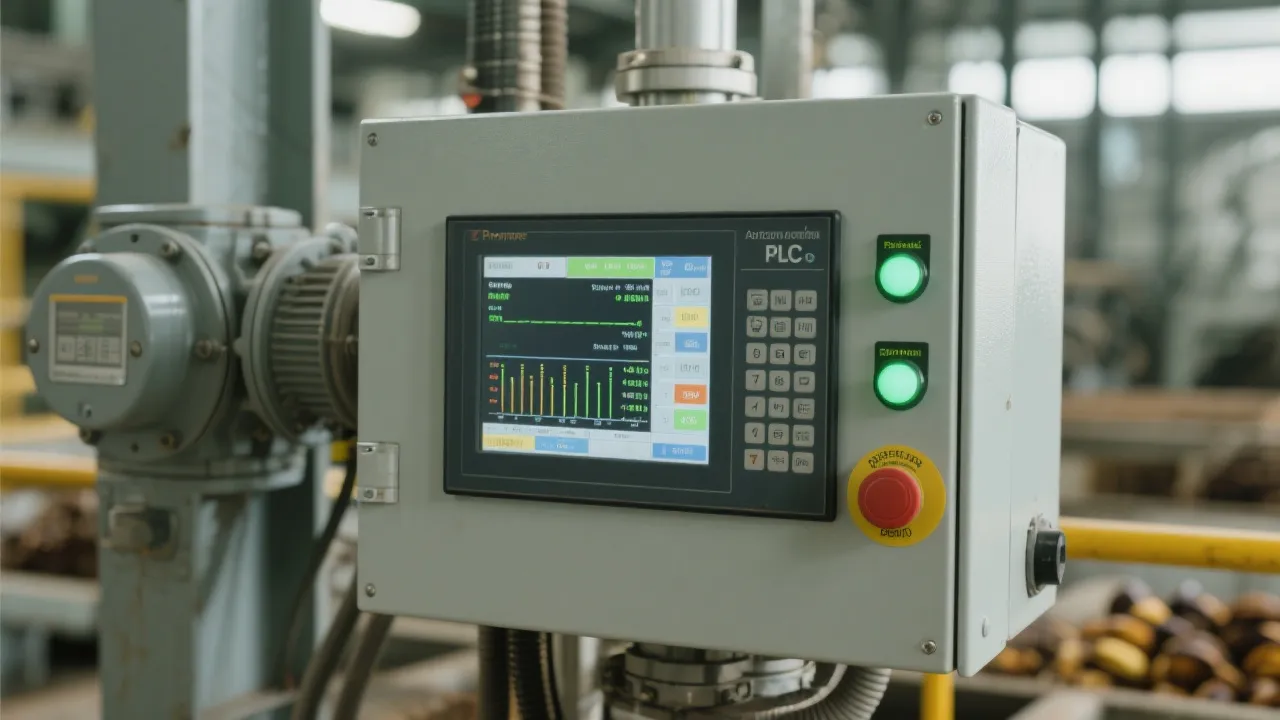
Moisture exceeding the standard is a common problem in the rice bran pretreatment stage. When the moisture content is too high, it can significantly reduce the efficiency of oil extraction. For example, if the moisture content exceeds 15%, the oil extraction rate can decrease by about 10 - 15%. The automated system can continuously monitor the moisture content and adjust the drying parameters in real - time, ensuring that the moisture content is within the optimal range.
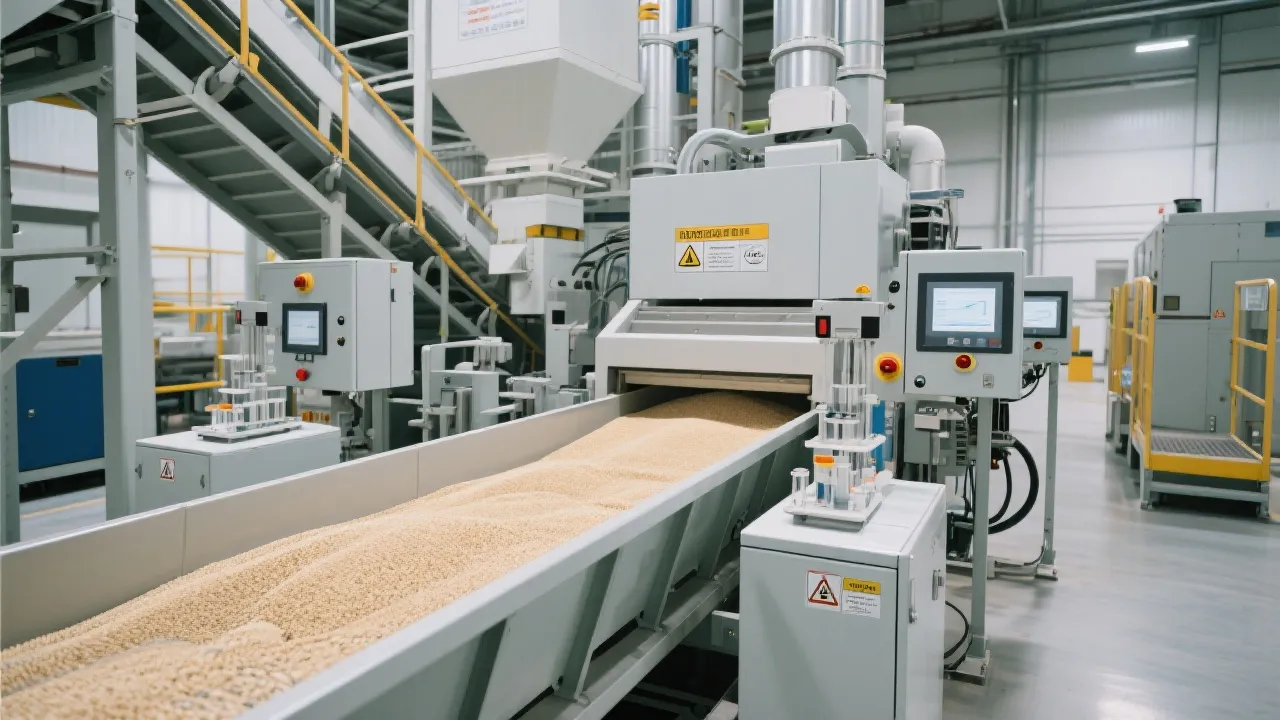
Another advantage of the automated system is that it can reduce the risk of pollution caused by manual intervention. In traditional processing methods, manual operations can introduce contaminants such as human hair and skin debris. With an automated system, the entire pretreatment process is carried out in a closed environment, reducing the pollution risk by up to 90%.
In conclusion, the energy - saving and environmentally friendly fully automated rice bran oil processing equipment of QIE Group offers a comprehensive solution for rice bran pretreatment. By effectively controlling moisture and impurity content, it can improve production stability, energy efficiency, and the quality of the final oil product. If you are an export - oriented edible oil producer looking for a green and efficient processing solution, don't miss this opportunity. Click here to learn more about our state - of - the - art rice bran oil processing equipment!
 fully enclosed sesame oil production system
automated sesame oil processing technology
food safety in oil manufacturing
energy-efficient oil extraction equipment
high-quality sesame oil production line
automated sesame oil production line
fully enclosed production system advantages
eco-friendly grain and oil equipment
sesame oil production automation
capacity upgrade solutions for sesame oil
rice bran oil refining
automated oil refining equipment
deacidification technology
food safety standards
multi-stage filtration systems
rapeseed oil extraction process
cold pressing
solvent extraction
oil yield
nutrient retention
rice bran pretreatment
impurity control in oilseed processing
moisture management in rice bran
automated grain cleaning system
energy-efficient oil extraction equipment
fully enclosed sesame oil production system
automated sesame oil processing technology
food safety in oil manufacturing
energy-efficient oil extraction equipment
high-quality sesame oil production line
automated sesame oil production line
fully enclosed production system advantages
eco-friendly grain and oil equipment
sesame oil production automation
capacity upgrade solutions for sesame oil
rice bran oil refining
automated oil refining equipment
deacidification technology
food safety standards
multi-stage filtration systems
rapeseed oil extraction process
cold pressing
solvent extraction
oil yield
nutrient retention
rice bran pretreatment
impurity control in oilseed processing
moisture management in rice bran
automated grain cleaning system
energy-efficient oil extraction equipment






.png?x-oss-process=image/resize,h_100,m_lfit/format,webp)
.png?x-oss-process=image/resize,h_100,m_lfit/format,webp)
.png?x-oss-process=image/resize,h_100,m_lfit/format,webp)