For export-oriented food processing companies, selecting the right rice bran oil refining equipment isn’t just about performance—it’s about compliance, trust, and long-term market access. With global demand for certified edible oils rising—especially in Southeast Asia and the Middle East—understanding the technical nuances of ISO9001 and HACCP standards is no longer optional. It’s a strategic necessity.
According to a 2023 survey by the International Food Standards Association (IFSA), over 74% of food importers from Malaysia, Indonesia, and UAE require documented proof of both ISO9001 quality management and HACCP food safety certification before placing bulk orders. This means your equipment must meet more than just basic functionality—it must be built with traceable materials, validated cleaning systems, and robust sealing mechanisms.
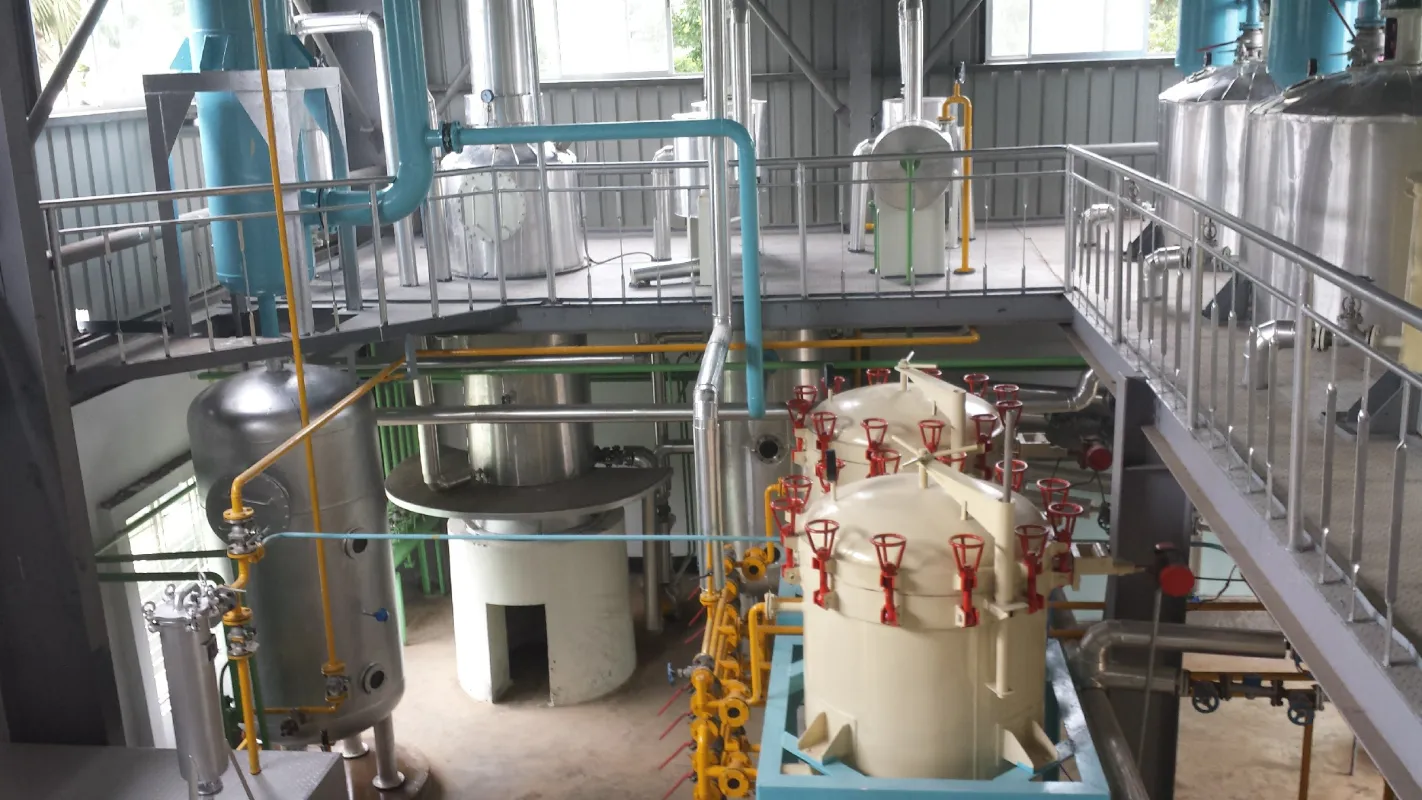
Material Selection: Stainless steel grades like 304 or 316L are standard for contact surfaces. However, for markets such as Saudi Arabia and Qatar, where humidity and temperature fluctuations are extreme, using double-walled insulation with anti-corrosion coatings can reduce maintenance costs by up to 35%, according to a case study from a Singapore-based refiner.
Sealing Performance: Gaskets made from FDA-approved silicone or EPDM rubber ensure zero leakage during high-temperature refining stages. A failure here often leads to product contamination—a red flag for EU and GCC regulators. One Vietnamese client reported losing $42K in a single shipment due to seal degradation not caught during pre-export inspection.
Cleaning Validation: The ability to perform CIP (Clean-in-Place) cycles with measurable microbial reduction is essential. Data shows that machines compliant with HACCP protocols achieve a 99.8% reduction in bacterial load after one full cycle—critical for meeting EU Regulation (EC) No 852/2004 on hygiene requirements.
Many exporters assume certification is a one-time cost—but it’s an ongoing commitment. In countries like Thailand and the UAE, customs authorities now conduct random audits based on supplier records. If your equipment lacks proper documentation from accredited labs (e.g., SGS, Intertek, Bureau Veritas), you risk delays at port or even rejection.
Key steps include:
One Indonesian buyer shared: “We switched suppliers after finding out their equipment had been modified without updating the HACCP plan. That led to a recall. We now require digital logs of every step.”
In Southeast Asia, buyers prioritize reliability over price. A Malaysian processor noted that while cheaper units seemed attractive initially, they failed to maintain consistent oil quality under tropical conditions. Conversely, in the Gulf region, relationships matter most—clients prefer suppliers who offer on-site installation support and post-delivery training.
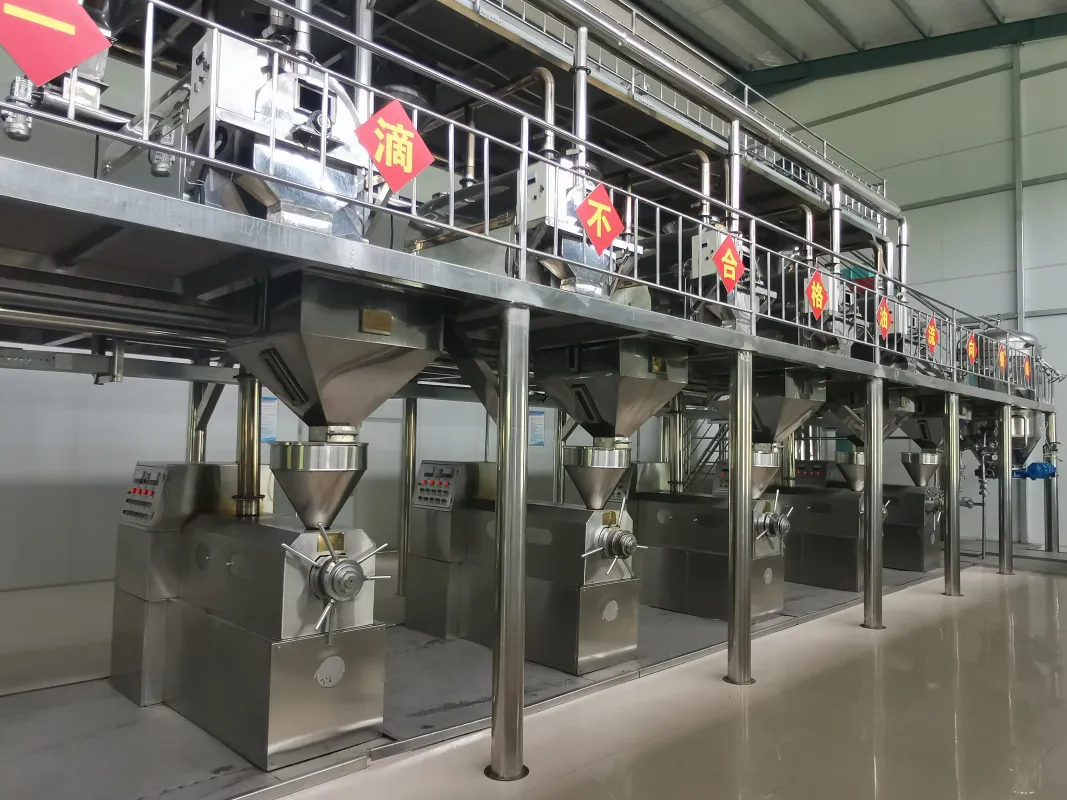
Our team recently helped a Thai exporter reduce downtime by 40% after upgrading to a fully automated system with real-time monitoring of key parameters (temperature, pressure, moisture). They saw a 22% increase in repeat orders within six months—not because of lower prices, but because of fewer quality issues.
Don’t just sell equipment—sell confidence. Provide clear SOPs, test reports, and videos showing how your machine meets international standards. Use FAQs tailored to common buyer concerns:
Q: How do I know the equipment will pass HACCP audits?
A: Every unit comes with a factory-tested HACCP checklist and a digital certificate from our accredited partner lab. We also provide remote troubleshooting via our IoT-enabled dashboard.
These small touches build credibility—and convert leads into loyal partners.
We specialize in designing and delivering ISO9001 + HACCP-compliant refining solutions tailored for global export markets. From initial design to final commissioning, our engineers work closely with your team to ensure seamless integration and compliance readiness.
Get a Free Compliance Assessment Today fully automated sesame oil production line
edible oil machinery automation
energy-efficient sesame oil equipment
food safety production system
production efficiency optimization
fully enclosed production system advantages
automated sesame oil production technology
eco-friendly grain and oil equipment
sesame oil processing optimization
grain and oil machinery solutions
canola oil extraction methods
cold pressing vs solvent extraction
edible oil processing technology
high-quality canola oil production
oil refining optimization
Automated sesame oil production line technology
Advantages of fully enclosed production system
Environmentally - friendly and energy - efficient grain and oil equipment
Sesame oil production process
Automation solutions for grain and oil machinery
automated control sesame oil production
PLC parameter optimization
sesame oil production troubleshooting
grain and oil processing automation
automated equipment maintenance
fully automated sesame oil production line
edible oil machinery automation
energy-efficient sesame oil equipment
food safety production system
production efficiency optimization
fully enclosed production system advantages
automated sesame oil production technology
eco-friendly grain and oil equipment
sesame oil processing optimization
grain and oil machinery solutions
canola oil extraction methods
cold pressing vs solvent extraction
edible oil processing technology
high-quality canola oil production
oil refining optimization
Automated sesame oil production line technology
Advantages of fully enclosed production system
Environmentally - friendly and energy - efficient grain and oil equipment
Sesame oil production process
Automation solutions for grain and oil machinery
automated control sesame oil production
PLC parameter optimization
sesame oil production troubleshooting
grain and oil processing automation
automated equipment maintenance




.png?x-oss-process=image/resize,h_100,m_lfit/format,webp)
.png?x-oss-process=image/resize,h_100,m_lfit/format,webp)
.png?x-oss-process=image/resize,h_100,m_lfit/format,webp)