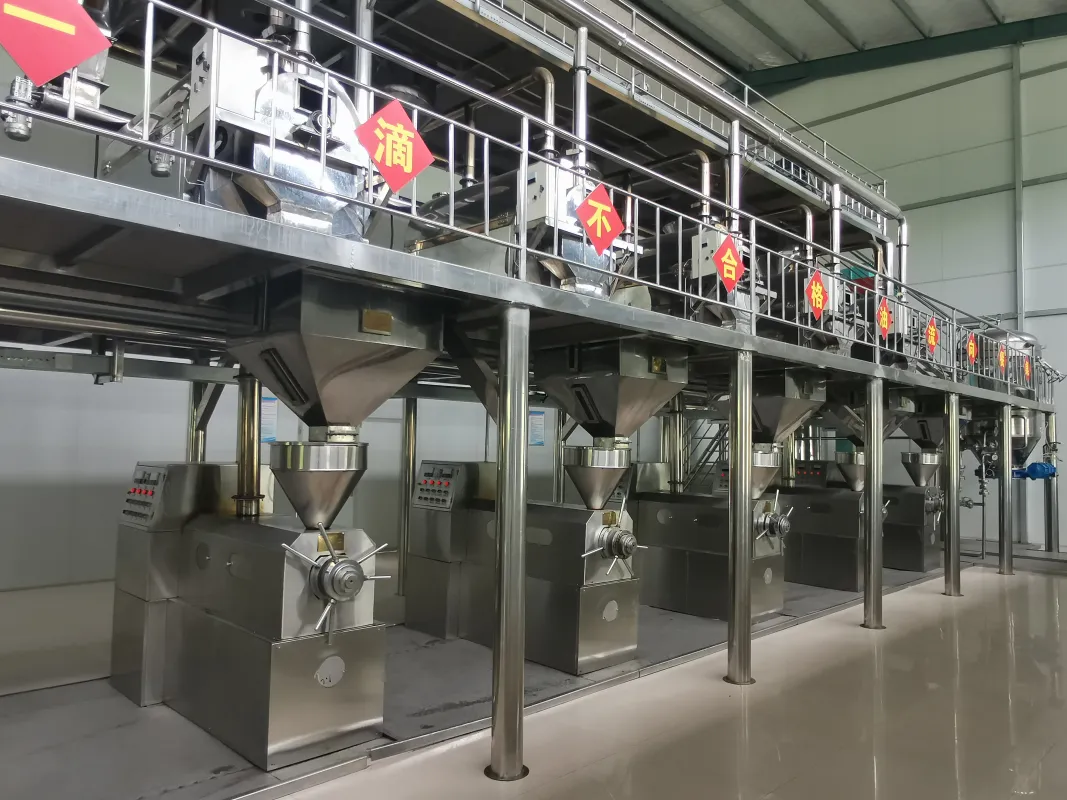
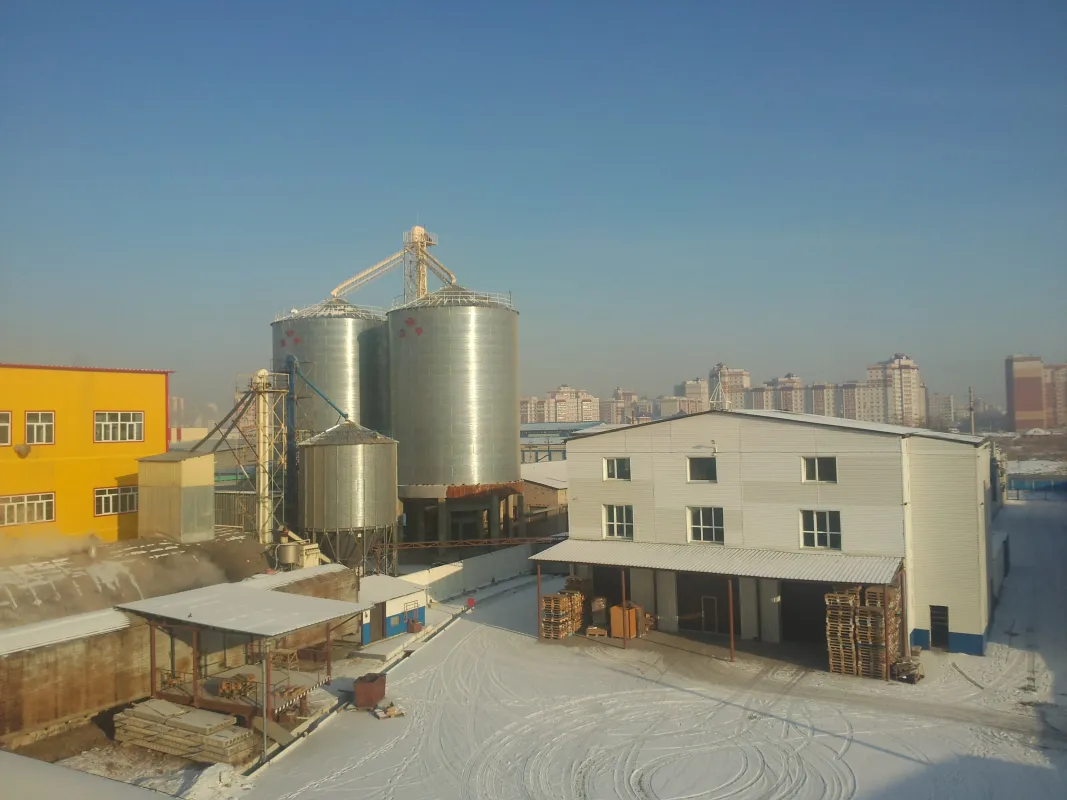
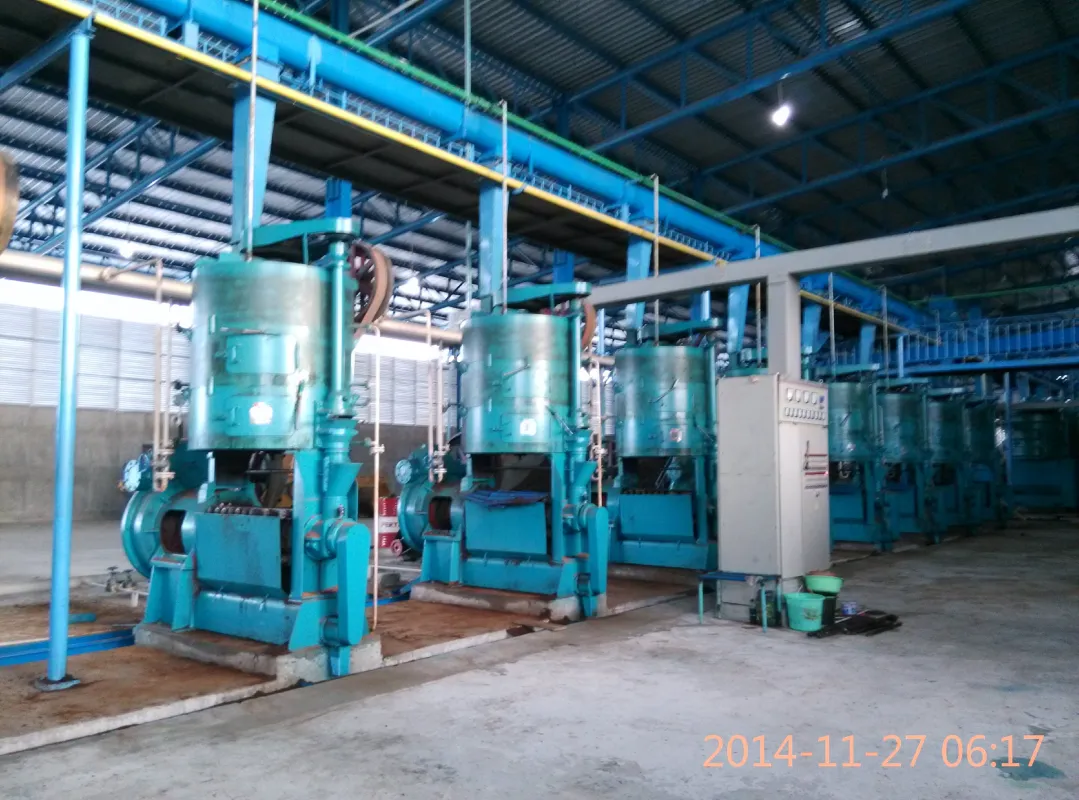
The automatic control system of the sesame oil production line is a complex and sophisticated setup that combines multiple hardware and software components to ensure efficient and stable operation. The core hardware modules include Programmable Logic Controllers (PLCs), touchscreens, and sensors, which are integrated in a seamless manner.
PLCs serve as the brain of the system, responsible for processing and controlling various operations. They can handle multiple input and output signals, allowing for precise control of the production process. For example, a typical PLC in a sesame oil production line can manage up to 100 input and output points, enabling it to monitor and adjust various parameters such as temperature, pressure, and flow rate.
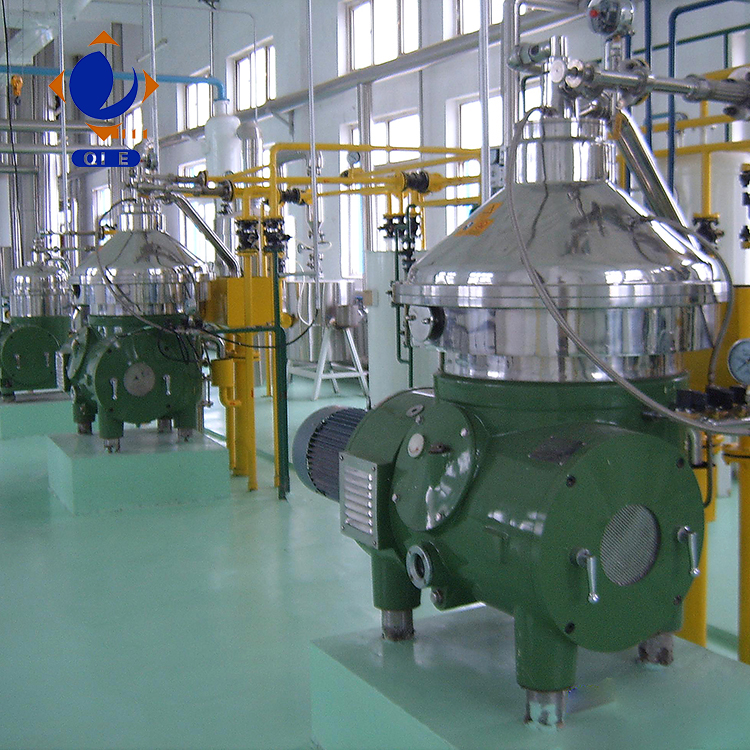
Touchscreens provide an intuitive interface for operators to interact with the system. They allow for easy monitoring of real - time data, adjustment of parameters, and quick access to system status information. With a high - resolution touchscreen, operators can view detailed process diagrams and make necessary adjustments with just a few taps.
Sensors play a crucial role in collecting data from the production line. Temperature sensors, for instance, can accurately measure the temperature of the oil at different stages of the production process. Flow sensors can monitor the amount of oil flowing through the pipes, ensuring that the production rate is consistent. These sensors typically have an accuracy of up to ±0.5% for temperature measurement and ±1% for flow measurement.
The integration of software and hardware in the sesame oil production line automatic control system is a key factor in achieving optimal performance. The parameter adjustment logic is based on the specific requirements of the production process. For example, in the temperature - flow linkage control technology, the system adjusts the flow rate of the oil according to the temperature changes.
When the temperature is too high, the system will automatically reduce the flow rate to prevent over - heating and ensure product quality. Conversely, when the temperature is low, the flow rate can be increased to maintain the production efficiency. This control strategy optimization requires a deep understanding of the physical and chemical properties of sesame oil and the production process.
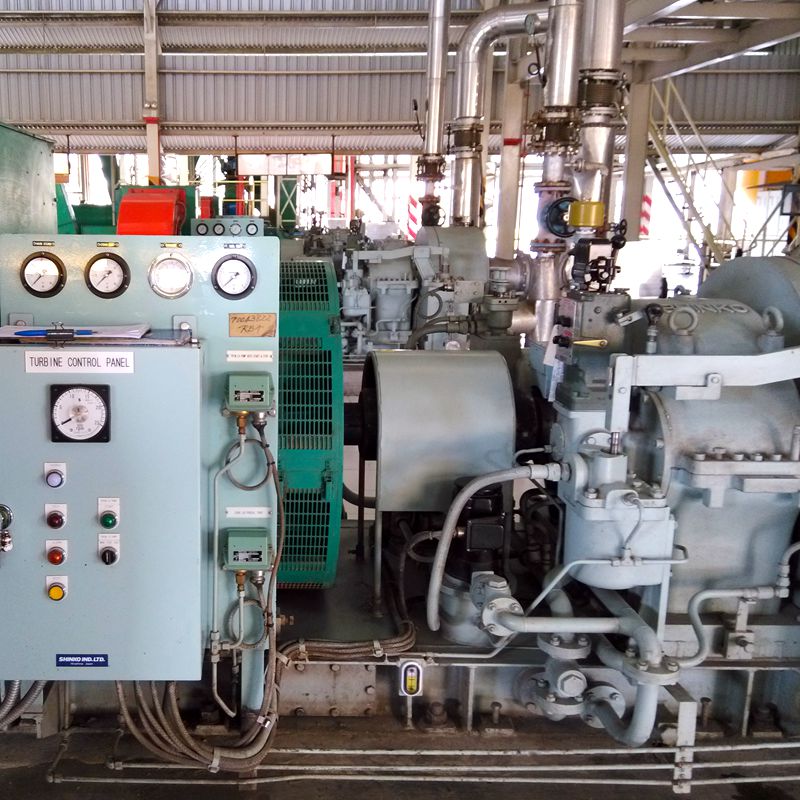
The software used in the system is designed to communicate effectively with the hardware components. It can collect data from sensors, process it through the PLC, and display the results on the touchscreen. The software also allows for remote monitoring and control, enabling technicians to access the system from anywhere and make necessary adjustments.
To ensure the long - term efficient and stable operation of the equipment, a comprehensive fault diagnosis and preventive maintenance process is essential. The fault diagnosis process starts with a visual inspection of the equipment, checking for any obvious signs of damage or wear.
Then, the system uses built - in diagnostic tools to analyze the data collected from sensors and other components. For example, if the temperature sensor shows abnormal readings, the system can trace the problem back to the sensor itself or the related wiring. A detailed fault diagnosis flowchart can be used to guide technicians through the process, which is often accompanied by a maintenance checklist.
| Maintenance Item | Frequency | Description |
|---|---|---|
| PLC Inspection | Monthly | Check for loose connections, clean the internal components, and update the firmware if necessary. |
| Sensor Calibration | Quarterly | Calibrate temperature, pressure, and flow sensors to ensure accurate data collection. |

Preventive maintenance includes regular cleaning, lubrication, and replacement of worn - out parts. By following a strict preventive maintenance schedule, the probability of equipment failure can be significantly reduced, which can save up to 30% of the maintenance cost in the long run.
Different scale grain and oil enterprises have different requirements for the sesame oil production line automatic control system. Therefore, personalized customization is an important aspect. The principle of personalized customization is to meet the specific needs of the enterprise while ensuring the compatibility and reliability of the system.
For example, a small - scale enterprise may focus on cost - effectiveness and simplicity, while a large - scale enterprise may require a more complex and advanced system with higher production capacity and more precise control. There are many successful implementation cases of personalized customization. For instance, a medium - sized oil processing enterprise customized its production line to increase the production efficiency by 20% and improve the product quality by 15%.
If you want to learn more about the detailed operation and maintenance of the sesame oil production line automatic control system, including a complete fault diagnosis manual and a more comprehensive preventive maintenance list, click here to download our exclusive operation manual.
 Automated sesame oil production line technology
Advantages of fully enclosed production systems
Environmental and energy-saving grain and oil equipment
Automatic control of sesame oil production lines
Energy-saving design of grain and oil machinery
Sesame oil production line automatic control
PLC parameter tuning
Fault troubleshooting guide
Automation maintenance
Grain and oil processing automation
automated sesame oil production line
fully enclosed production system advantages
eco-friendly grain and oil equipment
sesame oil production automation
capacity upgrade solutions for sesame oil
Fully automatic sesame oil production line
Grain and oil machinery automation
Fully enclosed sesame oil filling
Food safety guarantee
Sesame oil production efficiency improvement
Automated sesame oil production line technology
Advantages of fully enclosed production system
Environmentally friendly and energy - saving grain and oil equipment
Optimization of sesame oil processing technology
Innovation in the grain and oil machinery industry
Automated sesame oil production line technology
Advantages of fully enclosed production systems
Environmental and energy-saving grain and oil equipment
Automatic control of sesame oil production lines
Energy-saving design of grain and oil machinery
Sesame oil production line automatic control
PLC parameter tuning
Fault troubleshooting guide
Automation maintenance
Grain and oil processing automation
automated sesame oil production line
fully enclosed production system advantages
eco-friendly grain and oil equipment
sesame oil production automation
capacity upgrade solutions for sesame oil
Fully automatic sesame oil production line
Grain and oil machinery automation
Fully enclosed sesame oil filling
Food safety guarantee
Sesame oil production efficiency improvement
Automated sesame oil production line technology
Advantages of fully enclosed production system
Environmentally friendly and energy - saving grain and oil equipment
Optimization of sesame oil processing technology
Innovation in the grain and oil machinery industry
.jpg?x-oss-process=image/resize,h_800,m_lfit/format,webp)



.png?x-oss-process=image/resize,h_100,m_lfit/format,webp)
.png?x-oss-process=image/resize,h_100,m_lfit/format,webp)
.png?x-oss-process=image/resize,h_100,m_lfit/format,webp)