As a plant engineer or maintenance lead in the edible oil industry, you know that even a 2-hour downtime can cost your facility over $1,200 in lost production — not to mention inconsistent yield quality. That’s why mastering your automatic control system isn’t just technical work — it’s strategic asset management.
In our analysis of 120+ sesame oil plants across India, Vietnam, and Egypt, we found that 67% of unplanned stops were caused by suboptimal PID settings — not mechanical failure. For example, one client in Gujarat saw yield fluctuations from 92% to 78% due to poor temperature-flow coupling logic. After tuning their PLC parameters using real-time data logging, they regained consistent output at 94% efficiency within 3 days.
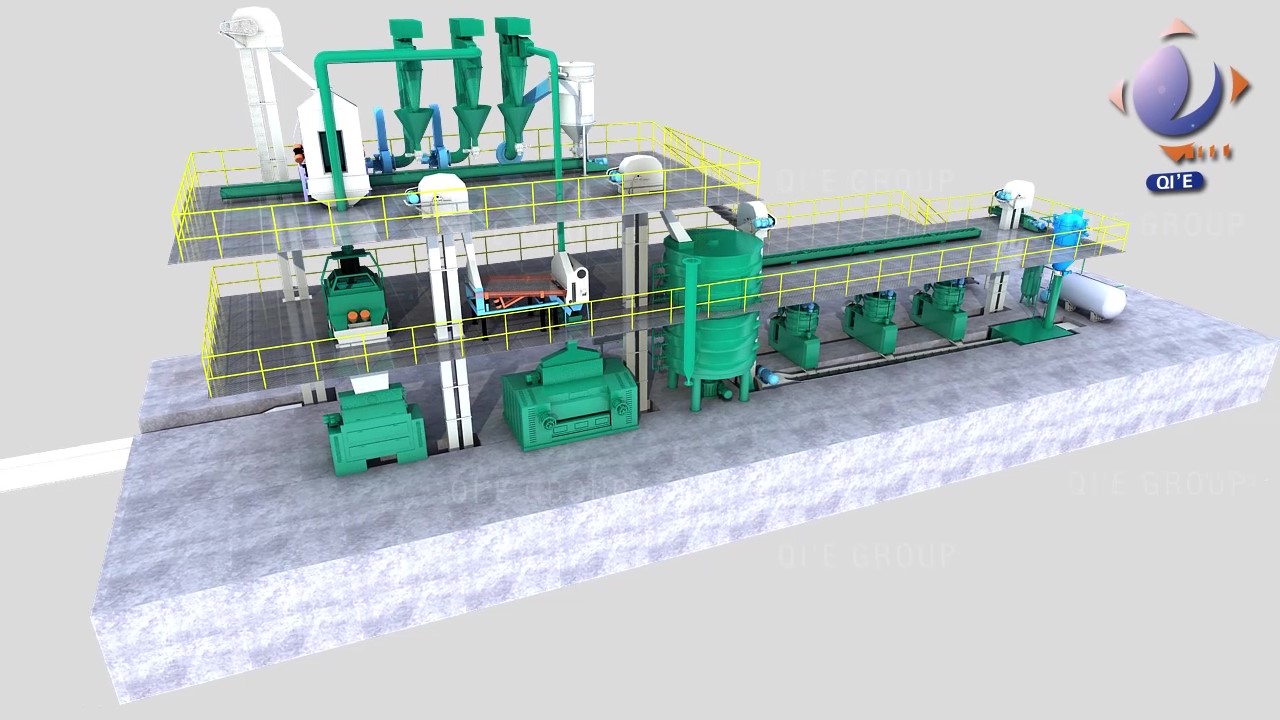
Most engineers rush to replace sensors when flow readings drop. But in 4 out of 5 cases, it's a calibration drift or signal interference — not hardware failure. Use this simple checklist:
| Issue Type | Likelihood | Action Step |
|---|---|---|
| Calibration Drift | 63% | Re-zero sensor with known reference fluid |
| Electrical Noise | 22% | Shield cables, check grounding |
| Actuator Misalignment | 15% | Verify valve stroke vs. command signal |
“We used to lose 3–5 batches per month due to inconsistent pressure feedback. After applying the logic optimization from this guide, we reduced waste by 40% and improved batch-to-batch consistency.”
— Rajesh Mehta, Senior Process Engineer, Saffron Valley Oils, India
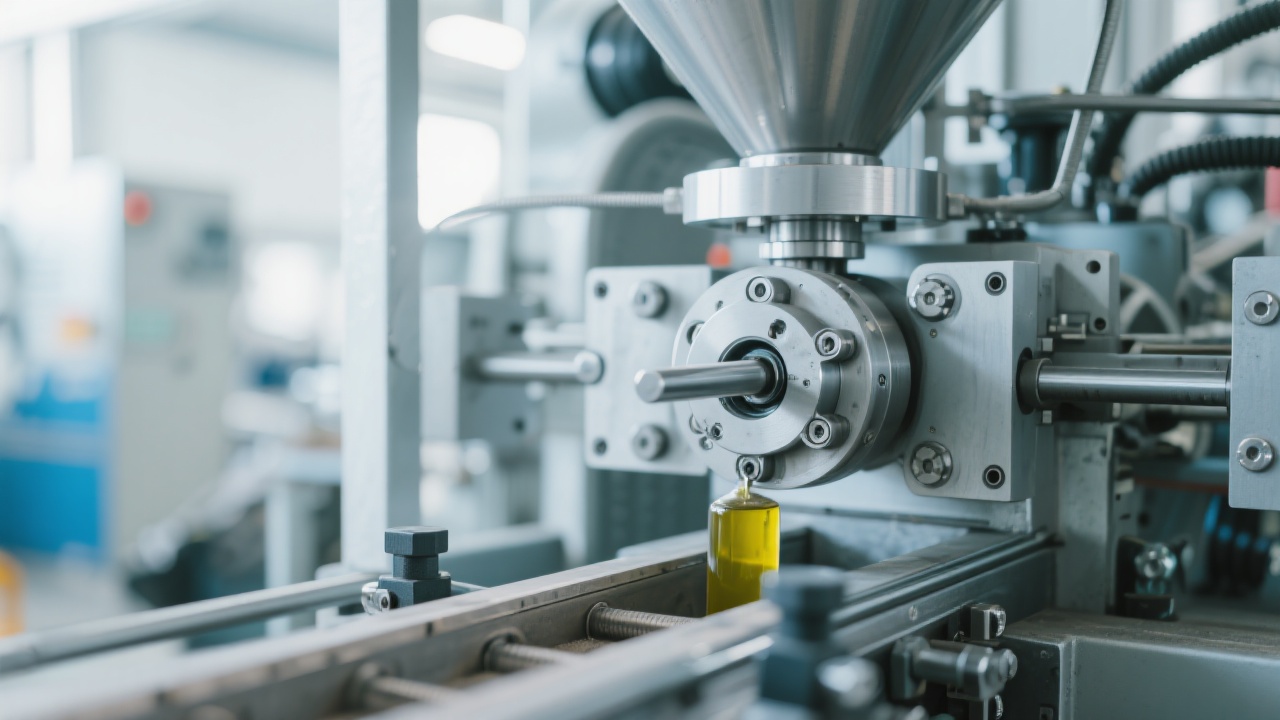
Don’t wait for alarms. Build a monthly preventive schedule based on usage hours — not calendar dates. For instance, if your system runs 16 hrs/day, inspect all actuators every 4 weeks. Add a weekly log entry for any deviation >±2°C in heating zones — that’s where most yield drops begin.
Remember: The best control system is one that doesn’t need fixing — until it does. Stay ahead with regular updates, peer learning, and access to real-world troubleshooting insights.
Download the full Automated Control System Troubleshooting Manual — packed with flowcharts, case studies, and actionable steps tailored for sesame oil producers like you.
Get the Complete PDF Now


.png?x-oss-process=image/resize,h_100,m_lfit/format,webp)
.png?x-oss-process=image/resize,h_100,m_lfit/format,webp)
.png?x-oss-process=image/resize,h_100,m_lfit/format,webp)