As a plant engineer or maintenance manager in the edible oil industry, you know that downtime isn’t just costly—it’s disruptive. According to a 2023 report by Food Engineering Magazine, over 47% of unplanned stops in automated food processing lines stem from poor PLC system maintenance and sensor drift—not hardware failure.
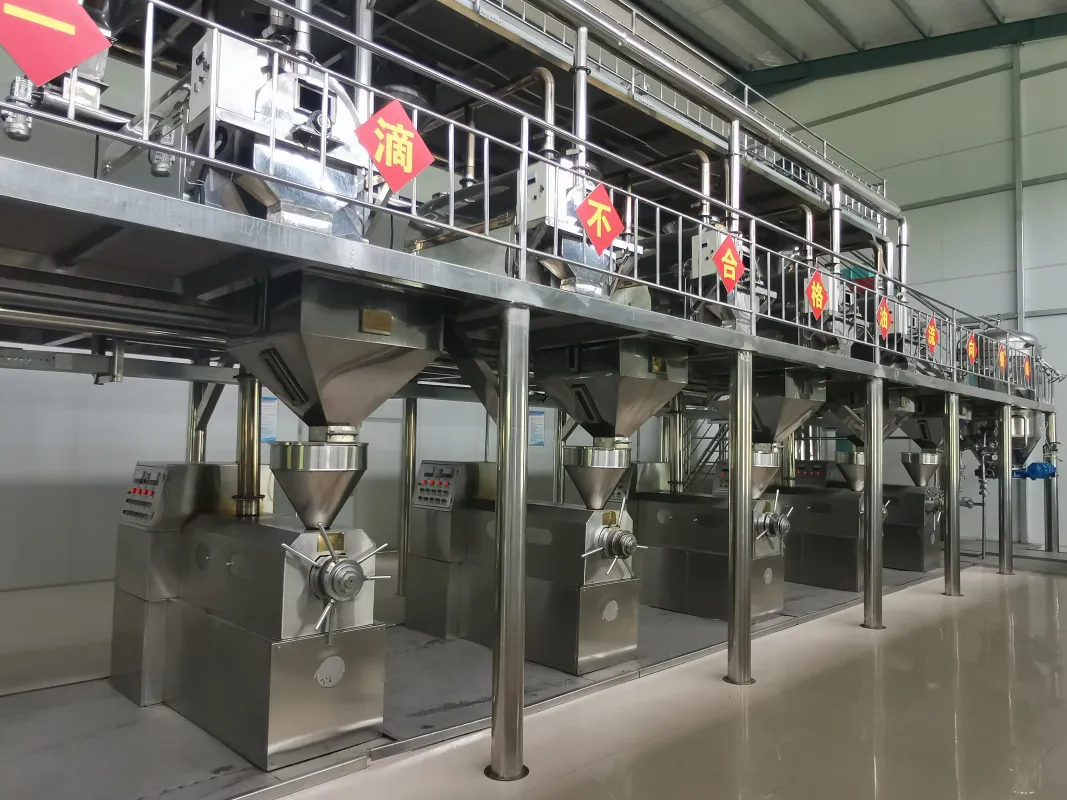
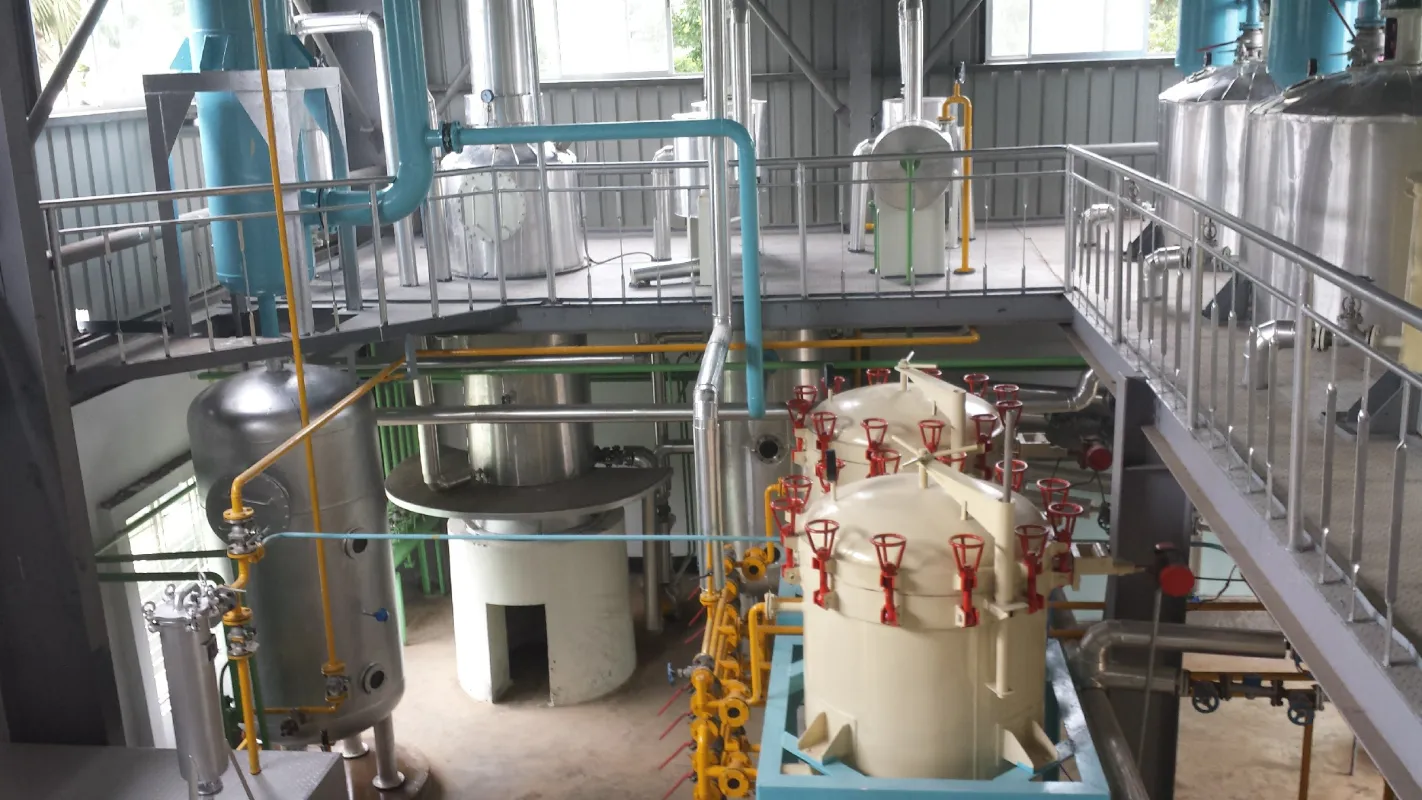
Your sesame oil production line relies on three core modules: the PLC (Programmable Logic Controller), HMI touchscreens, and actuator systems like valves and pumps. Neglect any one, and your entire automation chain weakens.
| Component | Maintenance Frequency | Critical Checkpoints |
|---|---|---|
| PLC CPU Module | Weekly | Scan time ≤ 50ms, no error logs for 72 hrs |
| Temperature Sensors | Bi-weekly | Calibrate using NIST-traceable standards |
| Flow Valves & Pumps | Monthly | Check for cavitation noise, verify flow consistency ±3% |
One client in Gujarat, India—a mid-sized sesame oil producer—reduced machine stoppages by 62% after implementing a monthly calibration schedule for their temperature sensors and a simple logbook for PLC alarms. Their average uptime rose from 86% to 94% within four months.
“We used to wait until something broke. Now we fix it before it fails.” — Rajiv Mehta, Plant Manager at Jai Oil Solutions
When a fault occurs, don’t guess—diagnose. Use this 5-step process:
For example, if your PLC shows a “FLOW-LOW” alert during cold seasons, it might not be a pump issue—it could be viscosity changes affecting flow meter readings. Adjusting the flow compensation factor in the PID loop can resolve it instantly.

Remember: preventive maintenance isn't about fixing what's broken—it's about knowing what will break next. That’s why we recommend building a digital checklist tailored to your specific equipment model and usage patterns.
Ready to take control of your sesame oil production line? Download our free “Automated Process Control Maintenance Playbook”—a downloadable PDF packed with real-world workflows, parameter tables, and case studies from global users.


.png?x-oss-process=image/resize,h_100,m_lfit/format,webp)
.png?x-oss-process=image/resize,h_100,m_lfit/format,webp)
.png?x-oss-process=image/resize,h_100,m_lfit/format,webp)