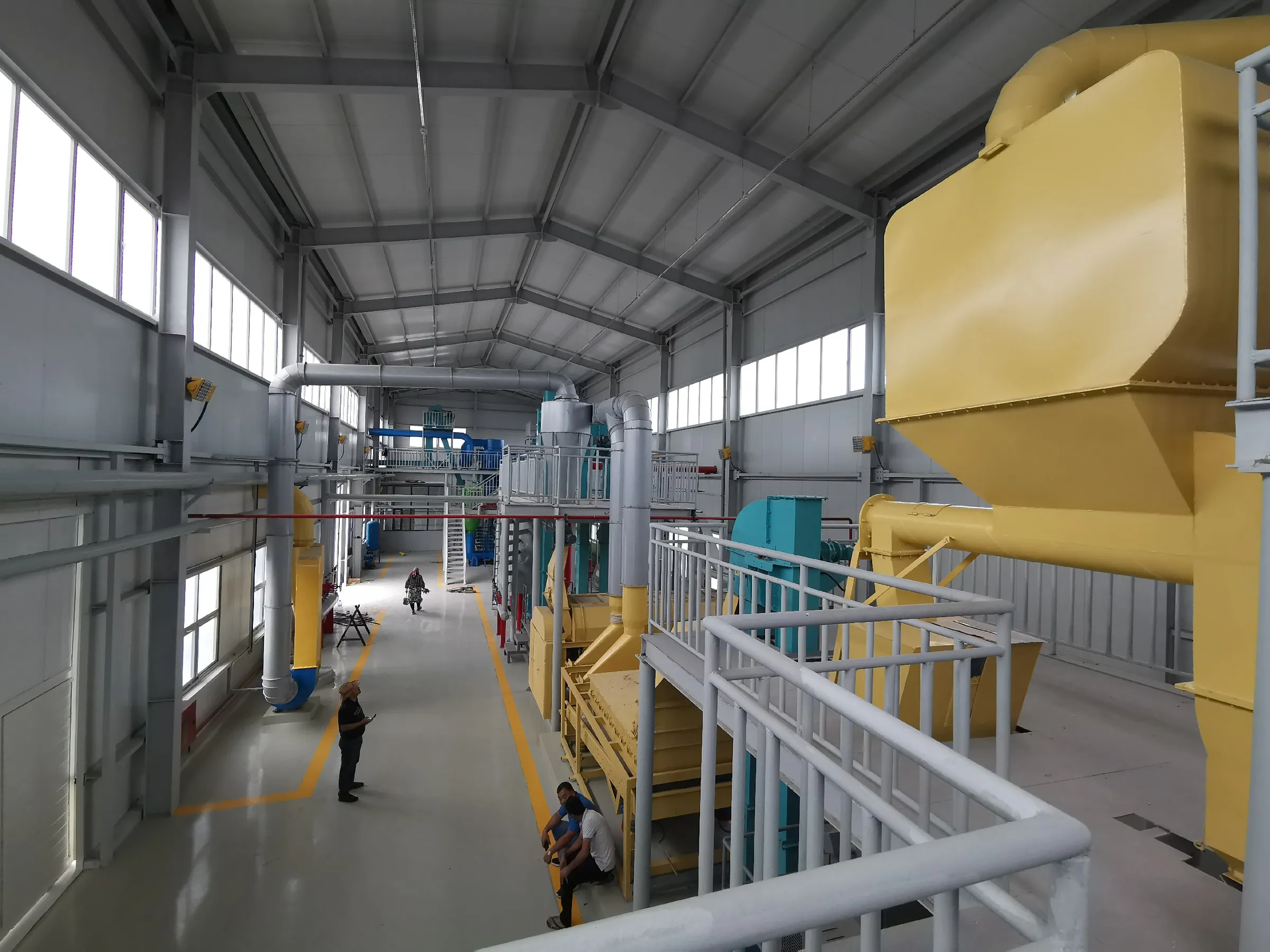
You're not just managing machines—you're optimizing a precision ecosystem. In modern sesame oil production, where consistency and throughput matter more than ever, your PLC-based automation system is the brain behind every batch. But how do you ensure it’s truly working for you—not against you?
Think of your control loop like a well-rehearsed orchestra: the PLC (Programmable Logic Controller) conducts, the touchscreen HMI displays real-time metrics, and sensors + actuators execute commands. For example, a temperature sensor on the extraction tank feeds data to the PLC, which adjusts steam valve actuation via PID logic—ensuring consistent oil quality across 10+ hours of continuous operation.
| Component | Role in Process | Common Mistake |
|---|---|---|
| PLC | Executes control logic (e.g., temp/flow sync) | Using default PID values without tuning |
| Touchscreen HMI | Visual feedback for operators | Ignoring alarm logs or slow response times |
| Thermocouples & Flow Meters | Provide closed-loop feedback | Calibration intervals > 6 months |
In one case study from a Nigerian processor, improper time-delay settings in their PLC caused over-pressurization during cold starts—resulting in 3 unplanned shutdowns/month. After applying our recommended parameter tuning (see below), they reduced downtime by 78% within 4 weeks.
“We used to lose 2–3 batches per week due to inconsistent heating. Now we hit target viscosity every time—and our customers have noticed.” — Ahmed S., Plant Manager, Lagos Oil Mill
Here’s what works when you’re deep in the field:
And don’t forget: preventive maintenance isn't optional—it's part of your ROI strategy. We recommend a monthly checklist that includes checking relay contacts, updating firmware, and reviewing alarm history.
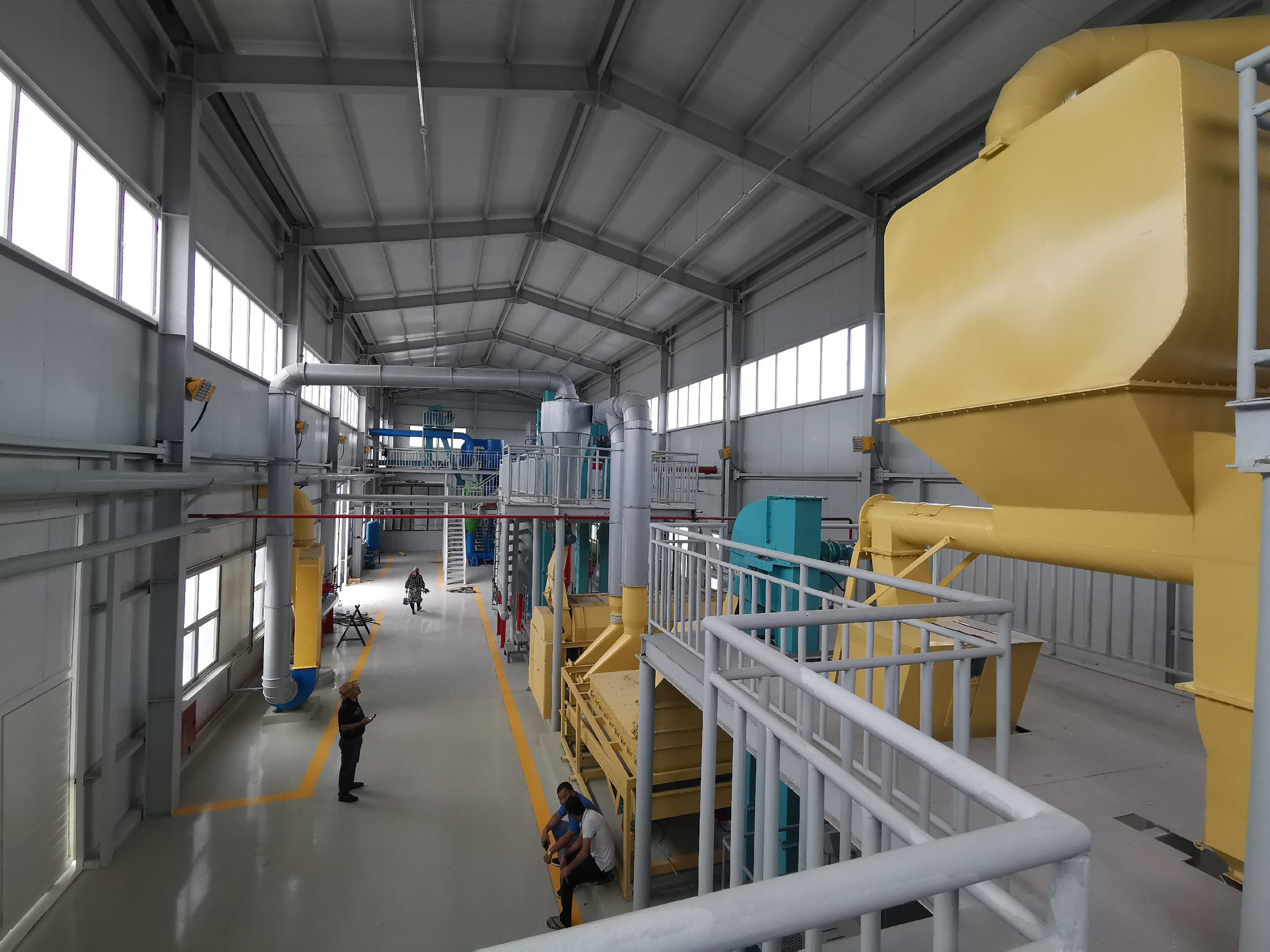
If you’ve been wrestling with inconsistent product quality, frequent alarms, or inefficient energy use, it’s likely not the hardware—it’s the configuration. The good news? You can fix it fast—with the right parameters, a bit of discipline, and access to proven methods.
Ready to stop guessing and start controlling?
Join our exclusive technical community for engineers who run high-performance food processing lines—and get instant access to our full PLC Parameter Optimization Guide, including templates for custom tuning profiles tailored to your machine model.
Download the Complete PLC Tuning Manual (PDF)


.png?x-oss-process=image/resize,h_100,m_lfit/format,webp)
.png?x-oss-process=image/resize,h_100,m_lfit/format,webp)
.png?x-oss-process=image/resize,h_100,m_lfit/format,webp)