In the highly competitive global edible oil market, B2B manufacturers of rapeseed oil are constantly faced with the dual challenges of increasing production yield and maintaining product quality. Selecting the right extraction process is crucial for these manufacturers to enhance their market competitiveness. This guide aims to provide in - depth insights into the two main rapeseed oil extraction processes: cold pressing and solvent extraction, and offer practical advice for manufacturers of different scales.
For B2B edible oil manufacturers, achieving a high oil - output rate while retaining the nutritional value of rapeseed oil is a core challenge. A high oil - output rate directly affects production efficiency and cost - effectiveness, while good nutritional retention is essential for meeting consumer demand for healthy food products. In fact, according to industry data, consumers are willing to pay up to 20% more for rapeseed oil with high nutritional value.
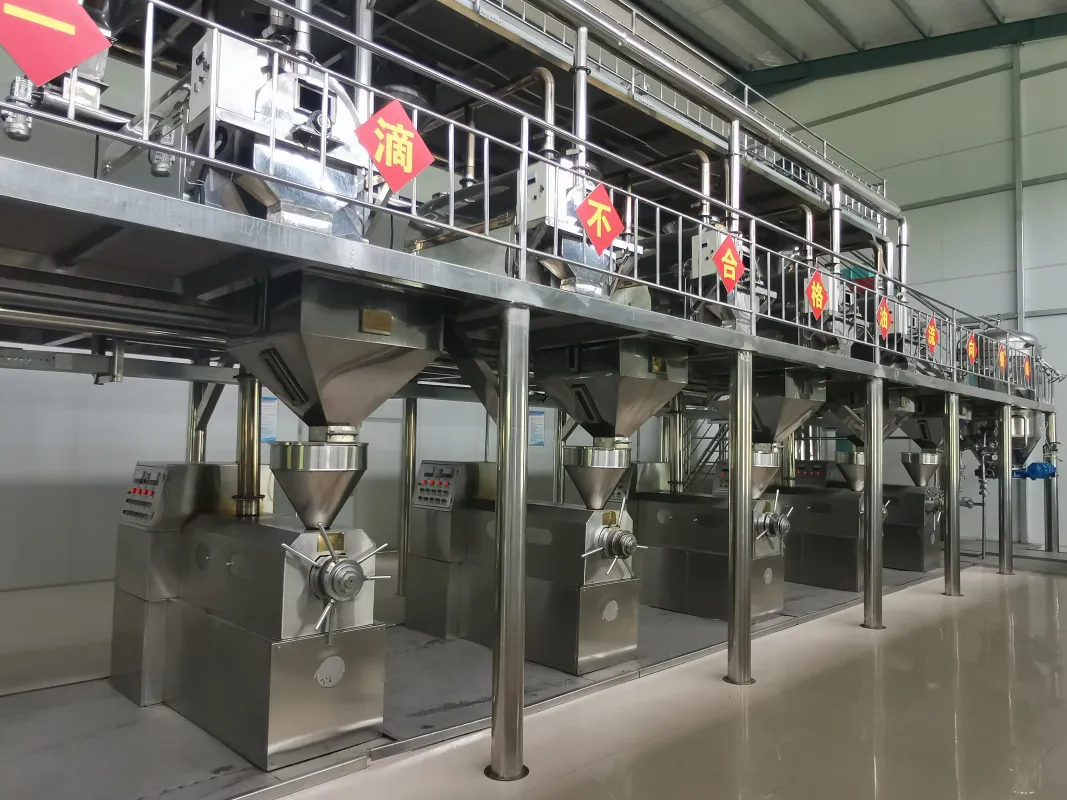
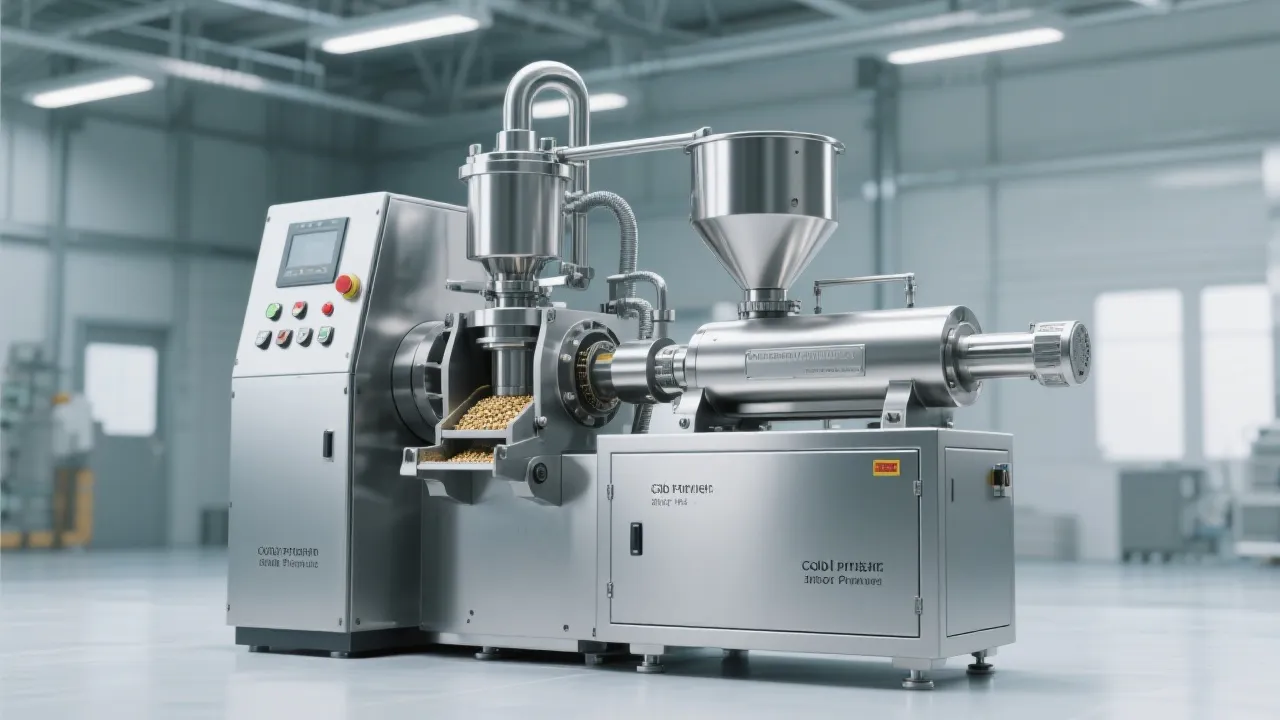
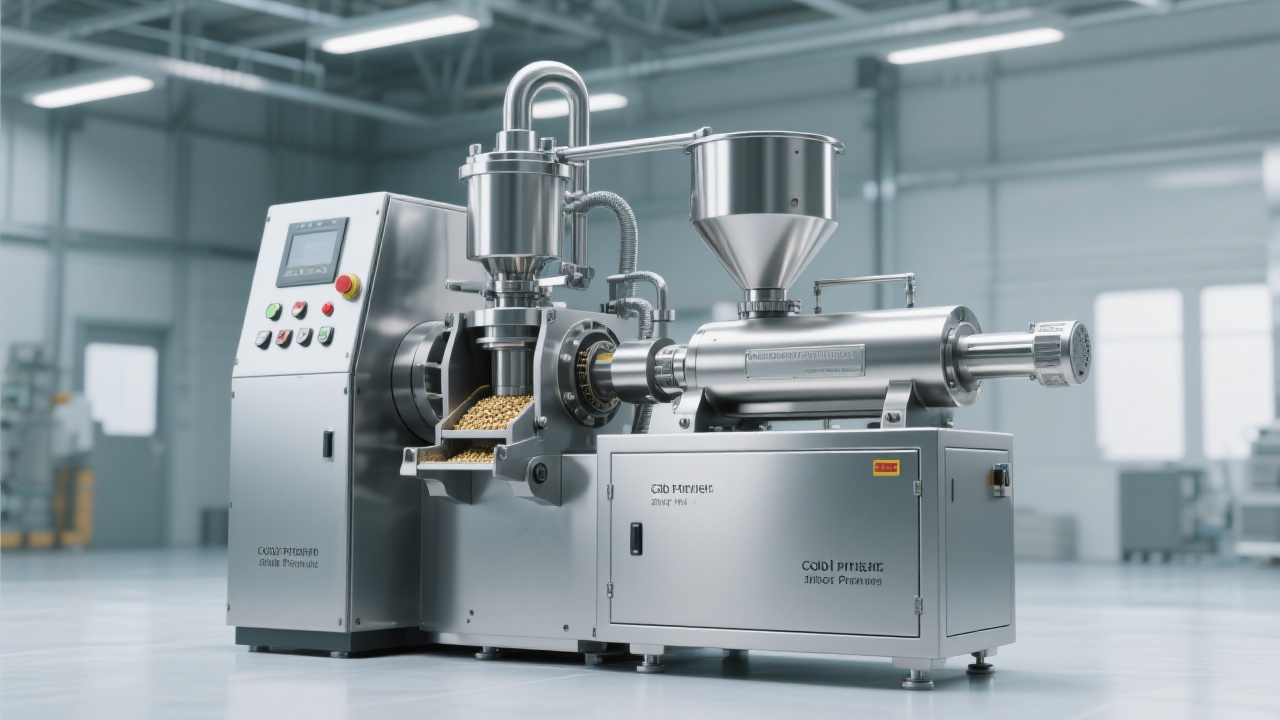
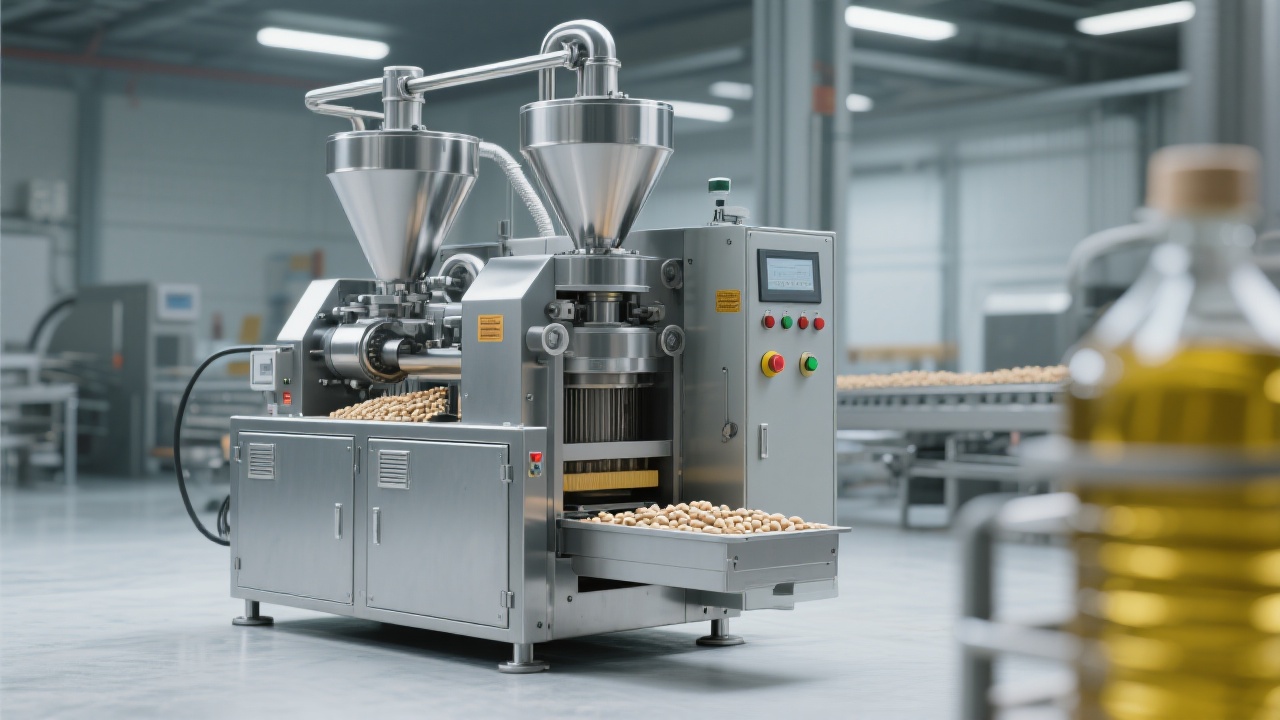
Cold Pressing: Cold pressing is a mechanical extraction method that involves pressing rapeseeds at low temperatures (usually below 60°C). This process preserves the natural flavor and nutritional components of rapeseed oil, such as vitamin E and unsaturated fatty acids. The process is relatively simple: rapeseeds are first cleaned and then pressed through a mechanical press. The oil is then separated from the solid residues. However, the oil - output rate of cold pressing is generally lower, usually around 30% - 35%.
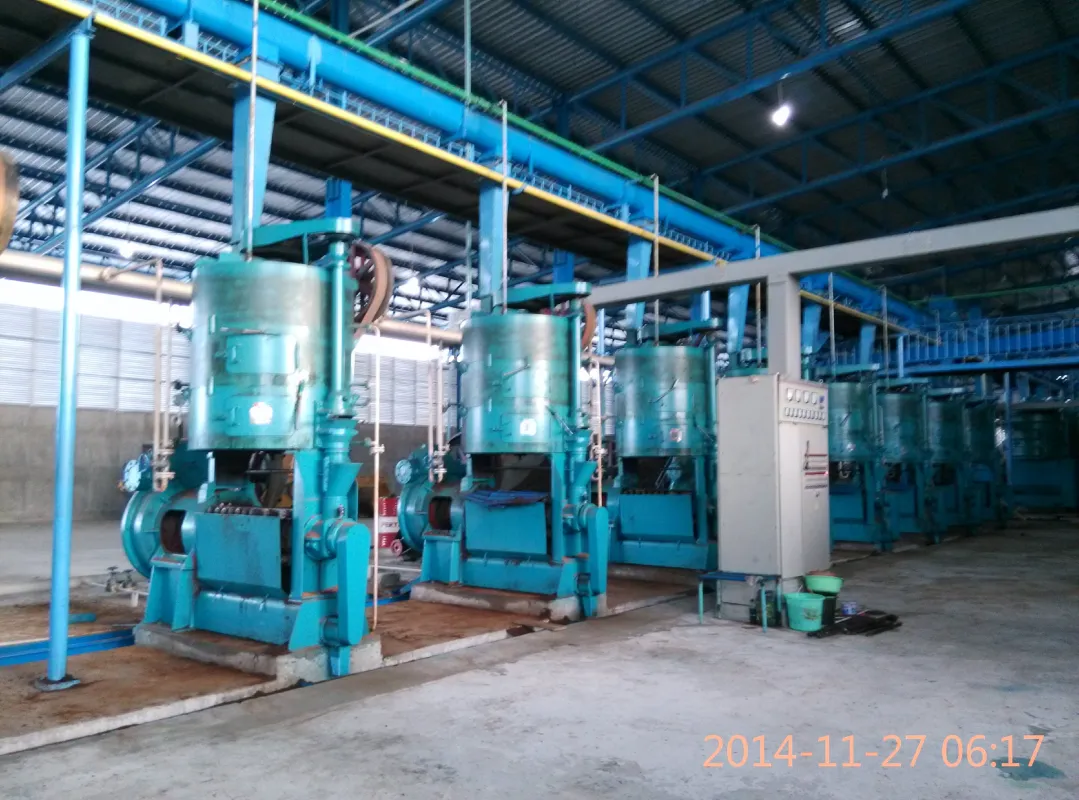
Solvent Extraction: Solvent extraction uses a chemical solvent (usually hexane) to dissolve the oil from rapeseeds. The rapeseeds are first crushed and then mixed with the solvent. After the oil is dissolved in the solvent, the mixture is separated, and the solvent is evaporated to obtain the crude oil. This method can achieve a higher oil - output rate, up to 95%. But it may require additional refining steps to remove the solvent residues and may also lead to some loss of nutritional components.
| Aspect | Cold Pressing | Solvent Extraction |
|---|---|---|
| Nutritional Retention | High, retains most vitamins and unsaturated fatty acids | Relatively lower, some nutritional components may be lost during refining |
| Energy Consumption | Low, mainly mechanical energy | High, requires energy for solvent evaporation |
| Equipment Complexity | Simple, mainly mechanical presses | Complex, requires solvent storage, mixing, and evaporation equipment |
| Finished Product Stability | Lower, may oxidize more easily due to the presence of natural antioxidants | Higher, more stable during storage due to refining |
| Oil - Output Rate | 30% - 35% | Up to 95% |
Small and Medium - Sized Factories: For small and medium - sized rapeseed oil factories, cold pressing may be a more suitable choice. These factories usually have limited production capacity and may target niche markets that value natural and healthy products. Cold pressing can help them produce high - quality rapeseed oil with a unique flavor, which can be sold at a premium price. For example, a small - scale factory in France adopted cold pressing and saw a 15% increase in product price and a 20% growth in sales volume within a year.
Large Factories: Large - scale rapeseed oil factories often focus on mass production and cost - control. Solvent extraction is more appropriate for them as it can achieve a high oil - output rate, reducing production costs. A large factory in Canada increased its annual profit by 25% after switching to solvent extraction while maintaining product quality through advanced refining techniques.
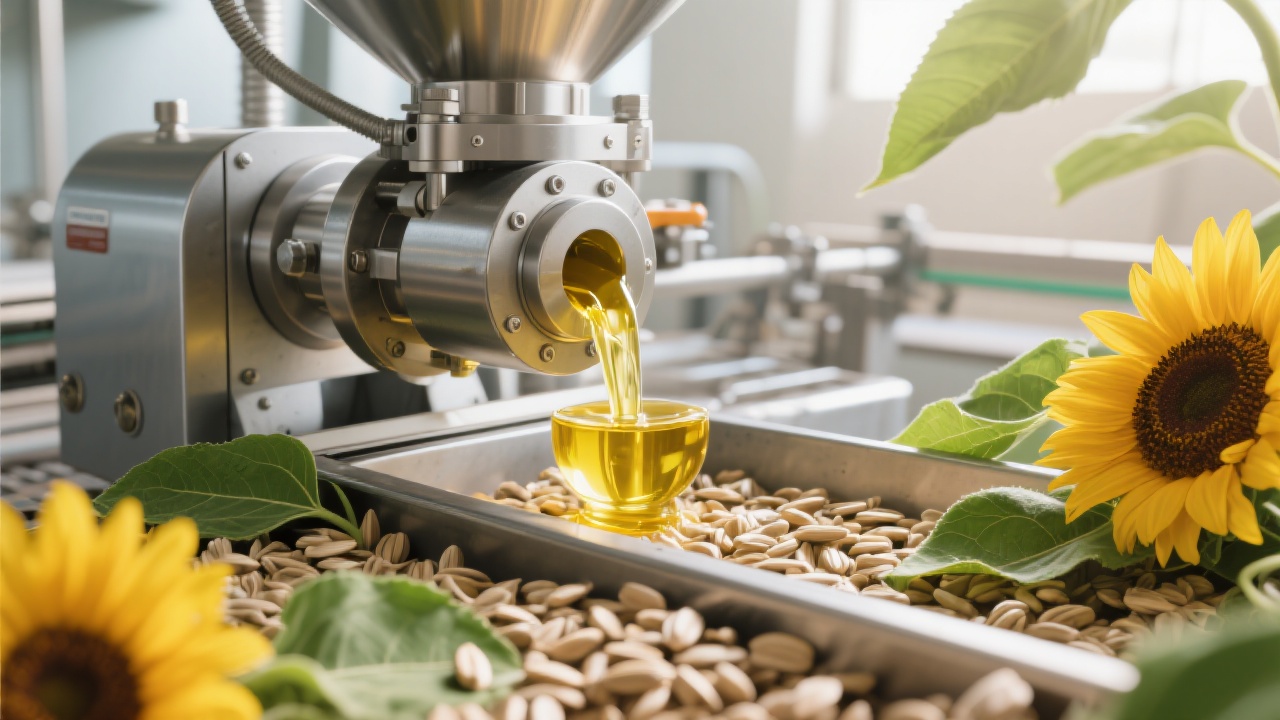
Case 1: A Small - Scale Organic Rapeseed Oil Producer A small - scale rapeseed oil producer in Italy was facing low sales due to intense competition. After switching to cold pressing, it was able to market its product as organic, natural, and rich in nutrients. The new product was well - received in the local market, especially among health - conscious consumers. Sales increased by 30% in the first six months, and the company was able to expand its market to neighboring countries.
Case 2: A Large - Scale Industrial Rapeseed Oil Manufacturer A large - scale rapeseed oil manufacturer in the United States was struggling with high production costs. By implementing solvent extraction and optimizing its refining process, the company was able to reduce production costs by 20% while maintaining product quality. This allowed the company to offer more competitive prices in the market and increase its market share.
Selecting the right rapeseed oil extraction process is a complex decision that depends on various factors such as production scale, market demand, and cost - benefit analysis. This guide has provided a comprehensive overview of the two main extraction processes and offered practical advice based on real - world cases. To further assist you in making an informed decision, we offer a complete process comparison PDF guide. Get your free copy of the complete process comparison PDF guide now and take the first step towards enhancing your rapeseed oil production efficiency and product quality.


.png?x-oss-process=image/resize,h_100,m_lfit/format,webp)
.png?x-oss-process=image/resize,h_100,m_lfit/format,webp)
.png?x-oss-process=image/resize,h_100,m_lfit/format,webp)