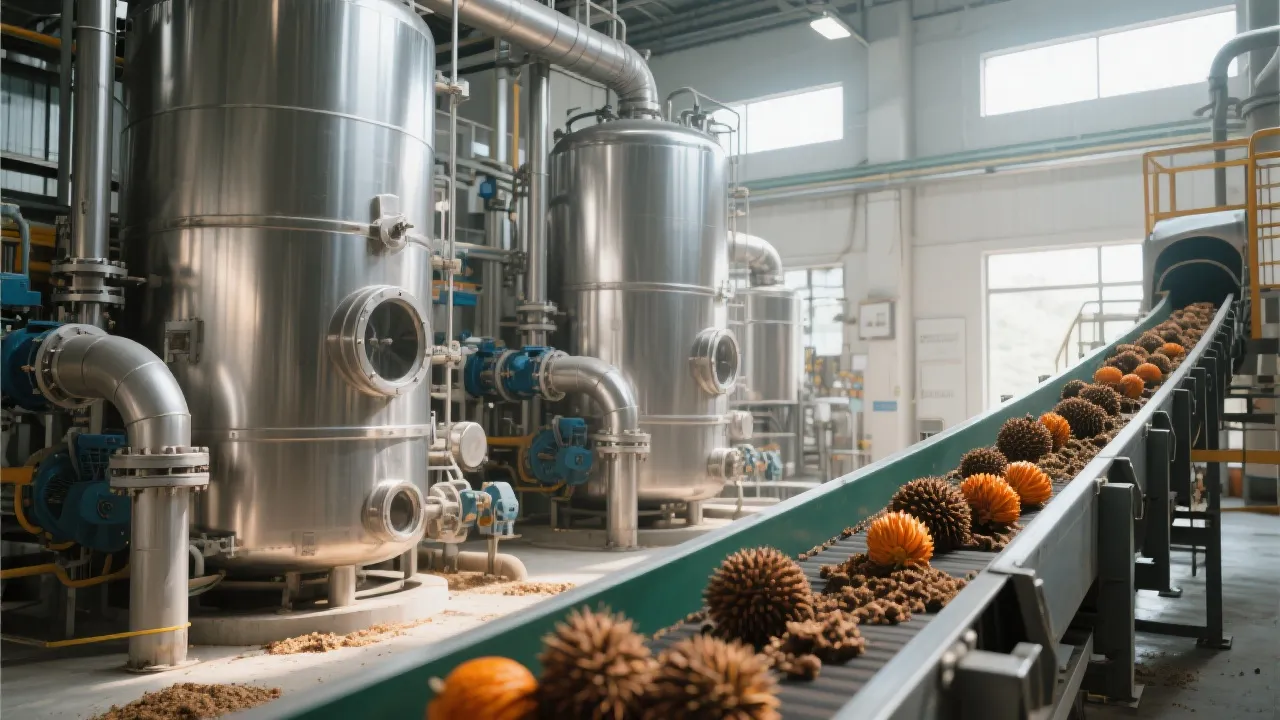
Small and medium - sized rapeseed oil manufacturers often face a crucial challenge: how to balance oil yield and nutrient retention. In the rapeseed oil production process, these two factors are closely related to the profitability and product quality of the enterprise. For example, high oil yield can increase the output of the enterprise, but it may sacrifice the nutrient content of the oil; while emphasizing nutrient retention may lead to lower oil yield and higher production costs. According to industry data, on average, the oil yield of some traditional rapeseed oil production processes can reach about 30% - 35%, but the nutrient loss rate may be as high as 20% - 30%.
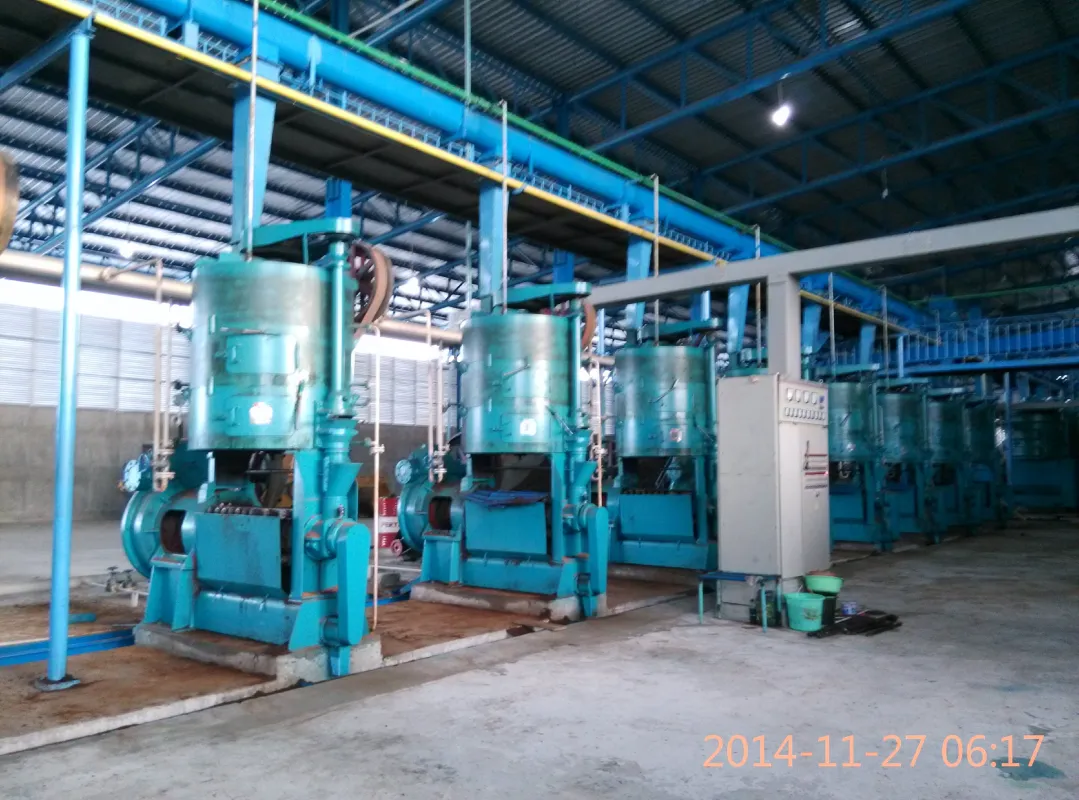
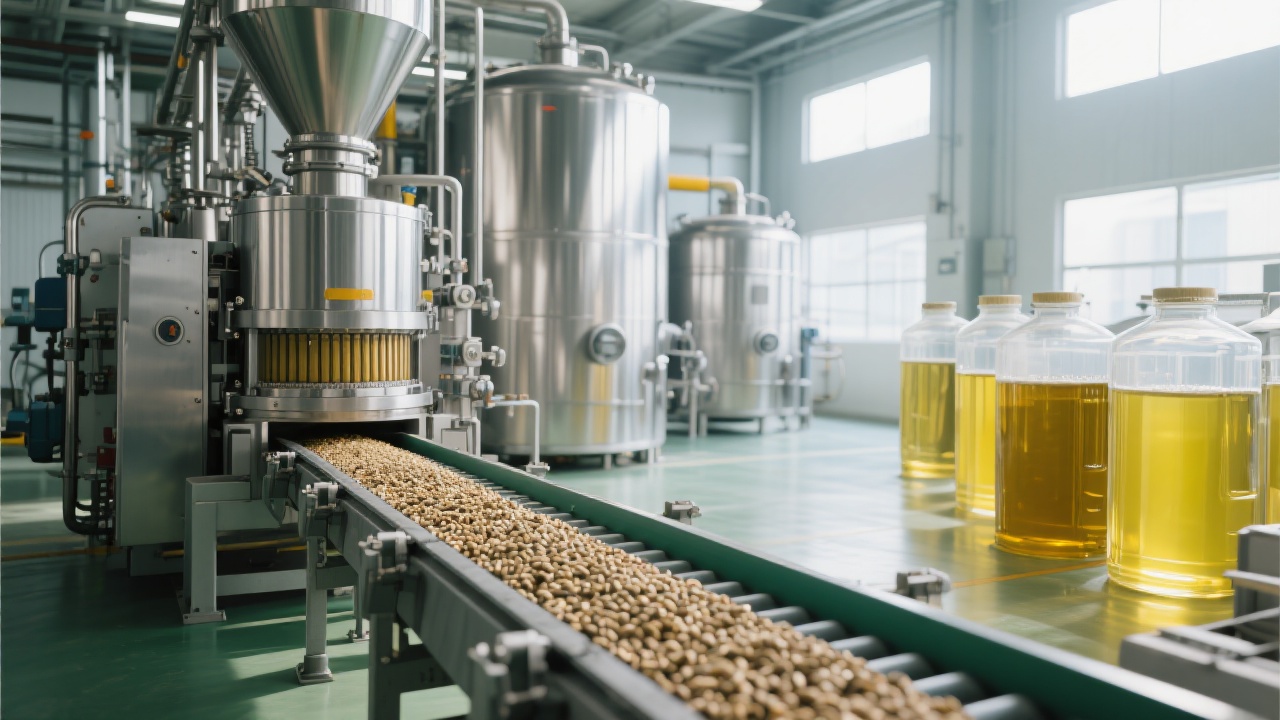
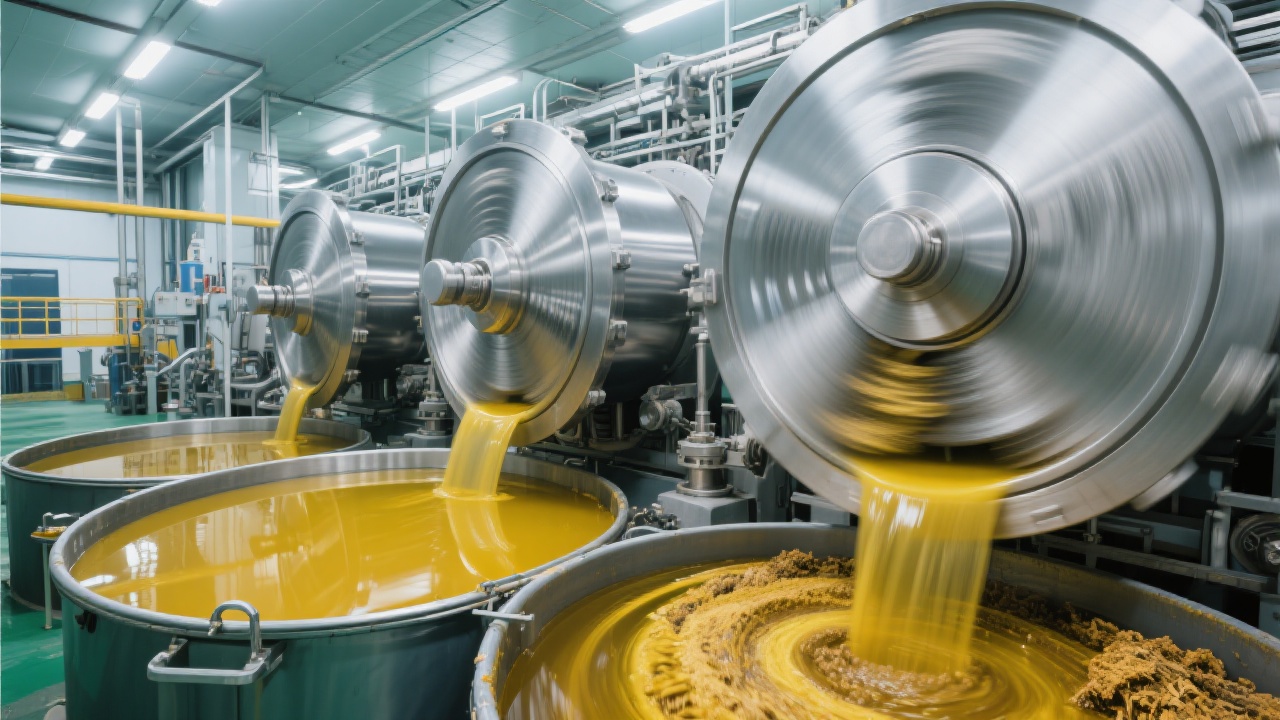
The cold pressing process is a relatively natural oil extraction method. It extracts oil from rapeseed at a low temperature (usually below 60°C). The principle is to use mechanical pressure to squeeze out the oil from the rapeseed. This process has relatively simple equipment requirements, mainly including a press machine. The advantage of cold pressing is that it can retain a large amount of nutrients in the rapeseed, such as vitamins, antioxidants, and unsaturated fatty acids. For example, the vitamin E content in cold - pressed rapeseed oil can be about 20% - 30% higher than that in oil extracted by other methods. However, its disadvantage is that the oil yield is relatively low, generally about 25% - 30%.
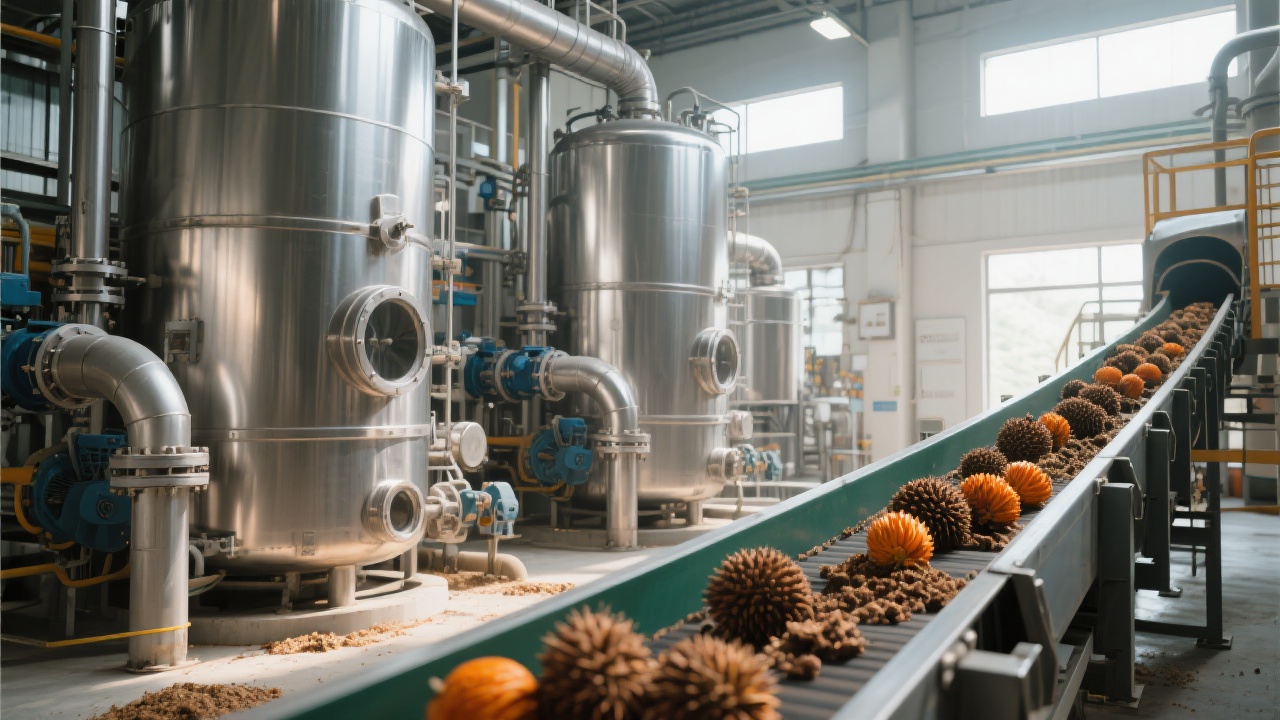
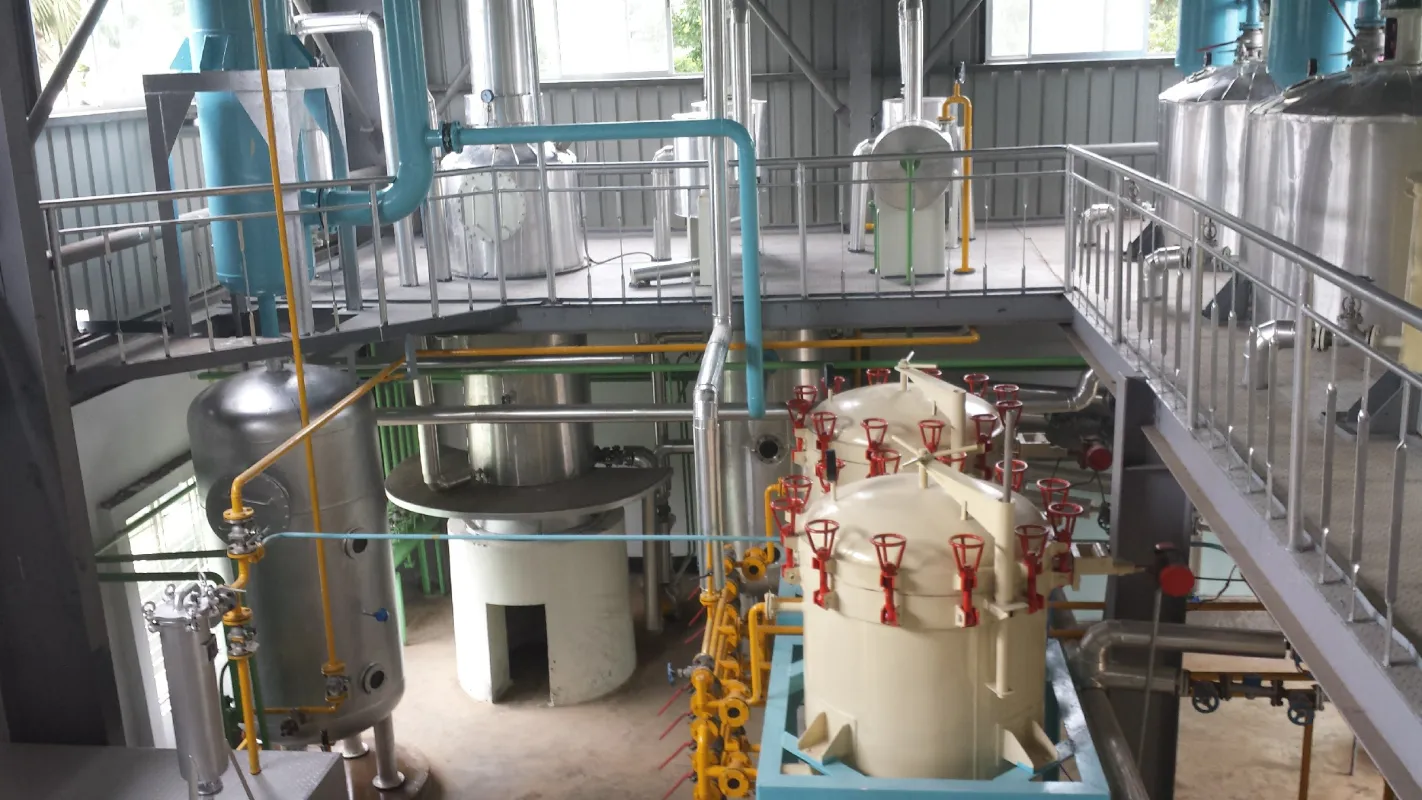
The solvent extraction process uses organic solvents (such as hexane) to dissolve the oil in the rapeseed. First, the rapeseed is crushed and then mixed with the solvent. The oil is dissolved in the solvent, and then the solvent is separated from the oil through evaporation and other methods. This process requires more complex equipment, including extraction equipment, solvent recovery equipment, etc. The advantage of solvent extraction is that it has a high oil yield, which can reach about 35% - 40%. However, during the extraction process, some nutrients may be lost due to the high - temperature evaporation of the solvent, and there may also be a small amount of solvent residue in the oil, which may affect the quality and safety of the oil to a certain extent.
| Process | Advantages | Disadvantages |
|---|---|---|
| Cold Pressing | High nutrient retention, natural and healthy | Low oil yield, high production cost |
| Solvent Extraction | High oil yield, low production cost | Nutrient loss, potential solvent residue |
For small - scale rapeseed oil factories with an annual production capacity of less than 500 tons, if they target high - end markets that value oil nutrition and health, such as organic food stores and high - end restaurants, the cold pressing process may be more suitable. On the other hand, for medium - scale factories with an annual production capacity of 500 - 2000 tons, if they supply to general supermarkets and food processing enterprises, the solvent extraction process may be a better choice to meet the market demand with lower cost and higher output.
There is a small - scale rapeseed oil factory that initially used the solvent extraction process. Although the oil yield was high, the product was not well - received in the high - end market due to the nutrient loss and potential solvent residue. Then, it switched to the cold pressing process. Although the oil yield decreased, the product quality was significantly improved. The sales price of the oil increased by about 30% - 40%, and the profit margin increased by about 20% - 30% due to the high - end market positioning.
Are you still confused about which rapeseed oil extraction process to choose? Download our complete process comparison guide to get more in - depth information and practical suggestions, and help your enterprise make a scientific decision!
We encourage you to leave comments and questions below. Your feedback will help us optimize our content and provide you with more valuable information!


.png?x-oss-process=image/resize,h_100,m_lfit/format,webp)
.png?x-oss-process=image/resize,h_100,m_lfit/format,webp)
.png?x-oss-process=image/resize,h_100,m_lfit/format,webp)