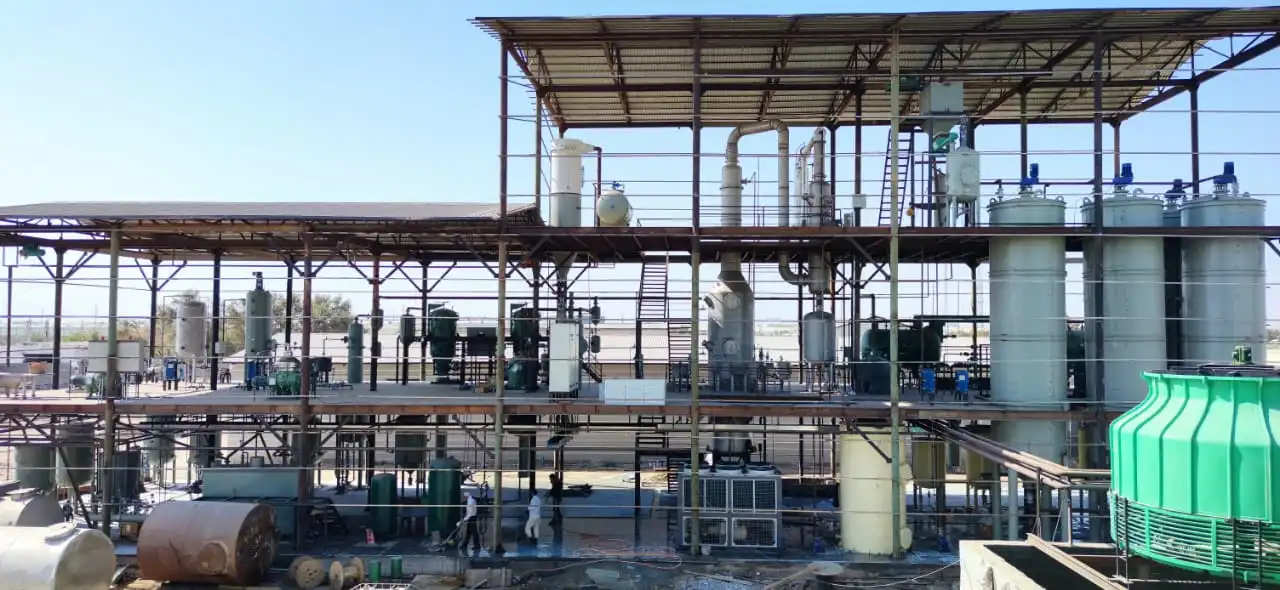
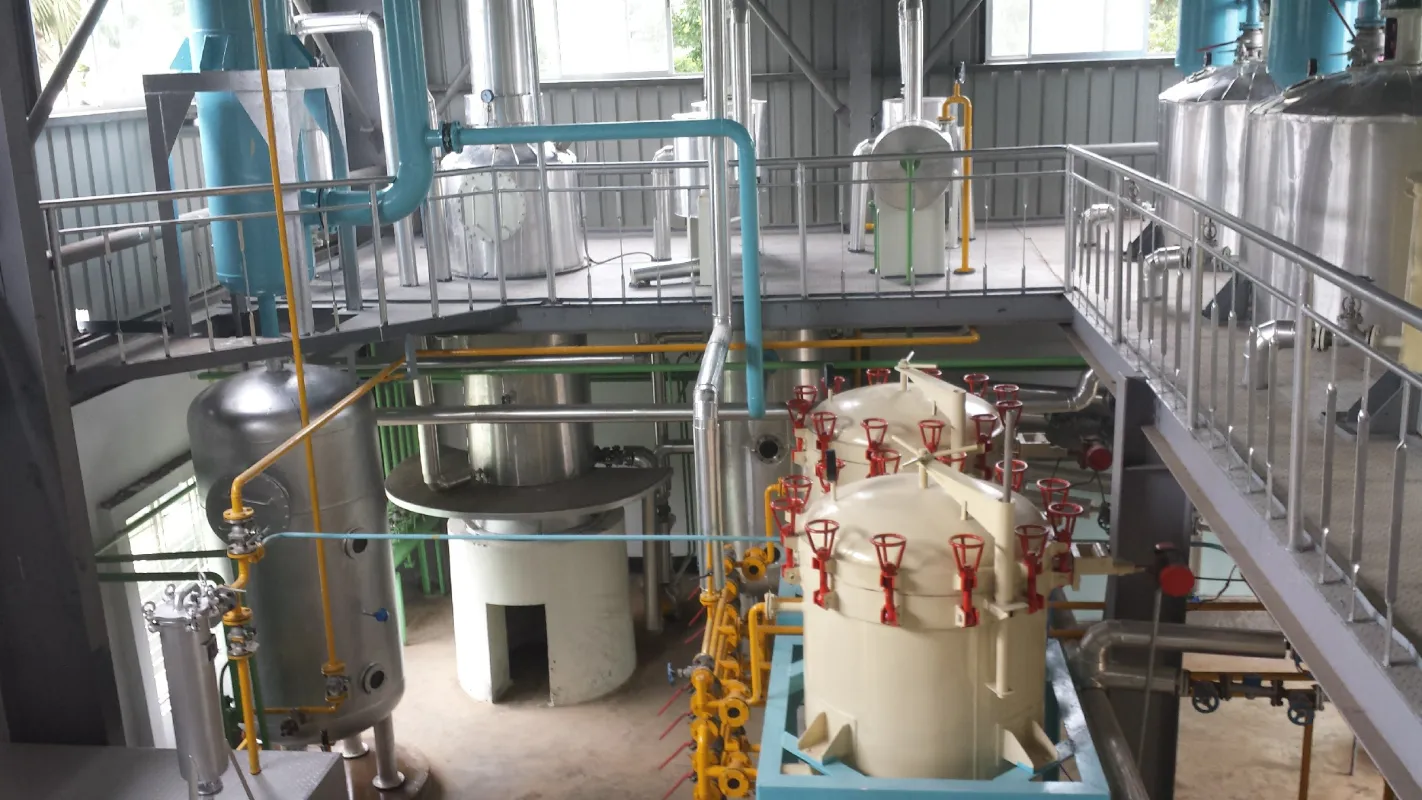
In today's competitive edible oil industry, optimizing sunflower oil extraction processes isn't just about increasing production—it's about maximizing efficiency, ensuring product quality, and meeting stringent international food safety standards. With global sunflower oil consumption projected to reach 26 million metric tons by 2025, according to industry reports, processors face immense pressure to enhance yields while maintaining purity and reducing operational costs.
Industry Insight:
Modern processing facilities report yield improvements of 8-12% after implementing optimized extraction techniques, directly impacting profit margins and competitive positioning in global markets.
Before extraction begins, proper seed preparation is critical. Impurities such as stones, dirt, and damaged seeds can reduce oil yield by up to 3% and damage expensive processing equipment. Modern cleaning systems utilize:
Optimal seed moisture content—typically between 6-8%—is crucial for efficient dehulling and subsequent processing stages. Seeds with excessive moisture require drying, while overly dry seeds may crack during dehulling, leading to oil loss.
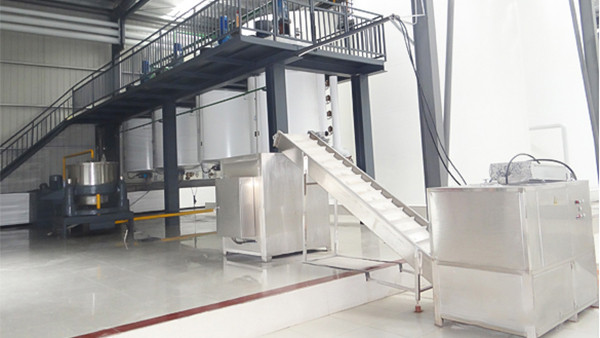
Effective dehulling removes the fibrous seed coat, which contains minimal oil but absorbs valuable extract during processing. Complete dehulling can increase oil yield by 5-7% while improving oil quality by reducing impurities.
Modern dehulling systems employ a combination of impact mills and aspiration to separate hulls from kernels. The resulting kernels then undergo grinding to create a uniform paste with optimal particle size—typically 0.3-0.5mm—which significantly impacts pressing efficiency.
Grind too coarse, and oil remains trapped within seed cells; grind too fine, and the paste may form clumps that impede oil flow during pressing. Automated particle analysis systems can maintain optimal consistency, ensuring consistent extraction results.
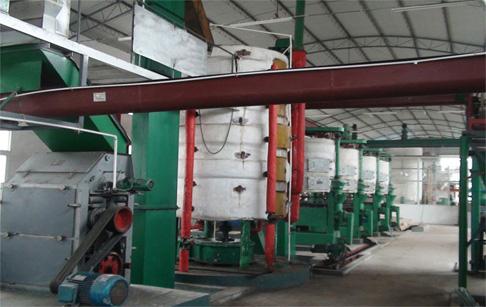
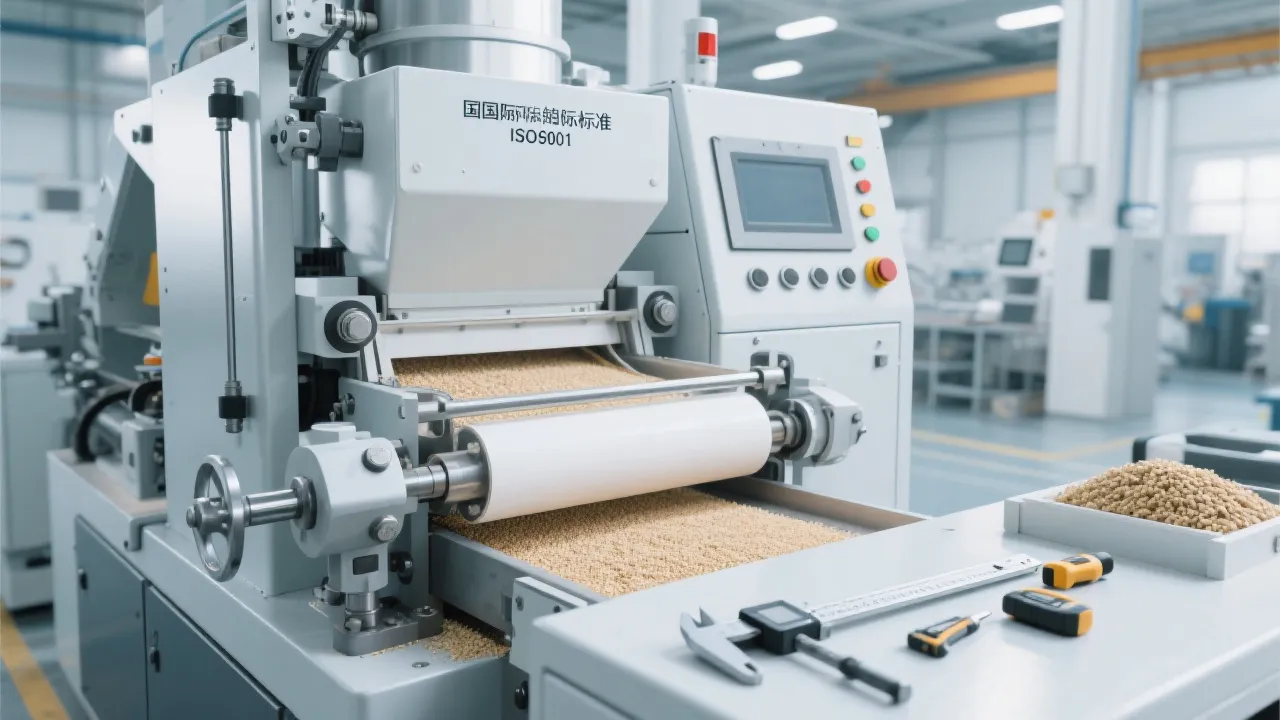
The pressing stage represents the heart of the extraction process, where mechanical force separates oil from the seed matrix. Modern screw presses operate at carefully controlled parameters:
| Parameter | Optimal Range | Impact |
|---|---|---|
| Pressing Temperature | 60-75°C | Affects oil viscosity and flow characteristics |
| Screw Speed | 30-50 rpm | Balances throughput and extraction efficiency |
| Pressure | 15-25 MPa | Primary driver of oil release from seed cells |
Advanced automated presses feature real-time monitoring systems that adjust these parameters dynamically, maintaining optimal extraction conditions even as seed characteristics change. This level of control typically results in 90-92% oil extraction efficiency from the prepared seed material.
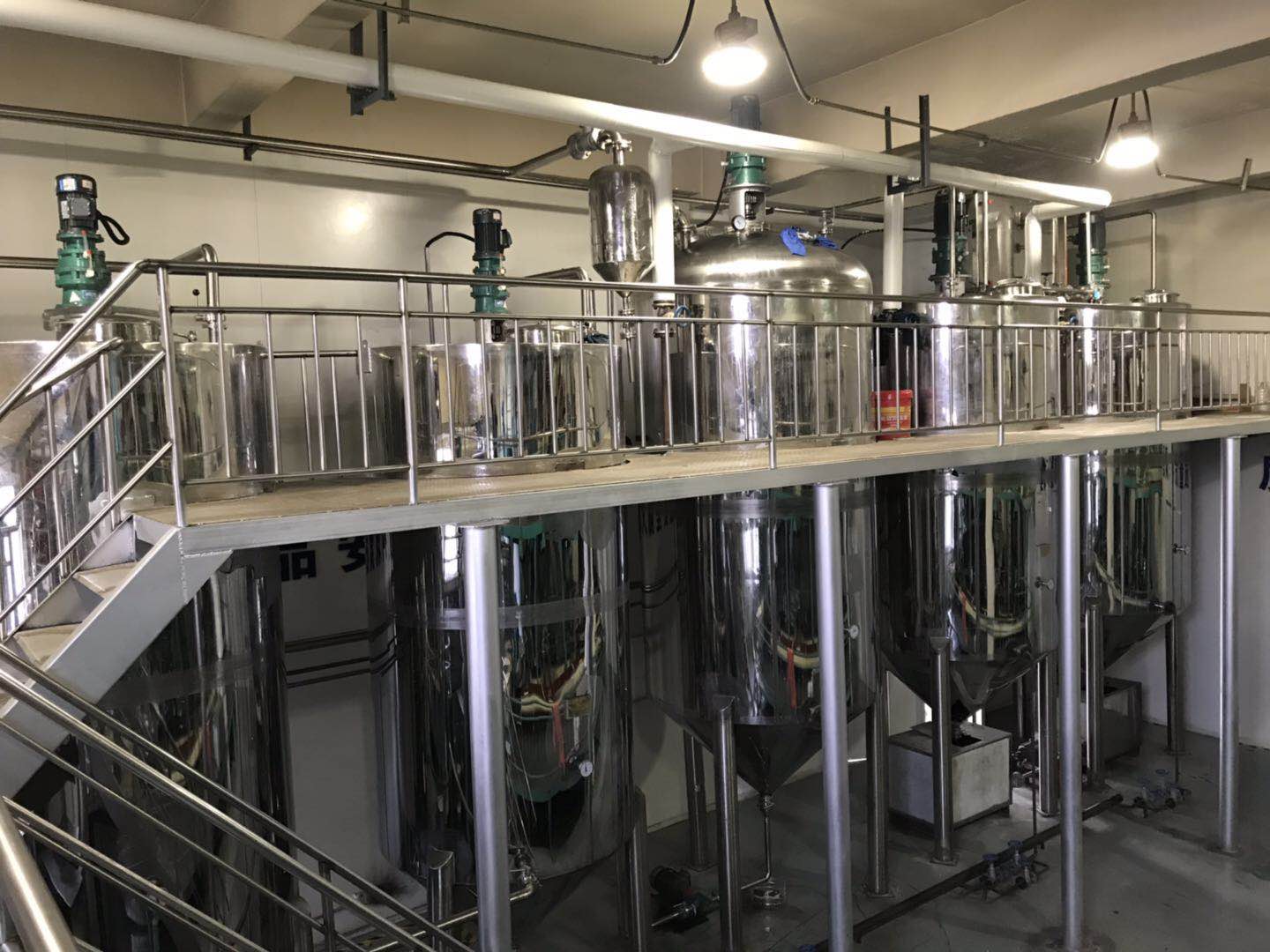
Crude sunflower oil requires refining to remove phospholipids, free fatty acids, pigments, and other impurities that affect shelf life and quality. The refining process typically includes:
Modern refining lines integrate automation and continuous processing, reducing processing time by 30% compared to batch systems while ensuring consistent product quality. The result is a refined oil with a smoke point above 230°C and a shelf life of 12-18 months under proper storage conditions.
A mid-sized European processor recently implemented a comprehensive process optimization program, including upgraded cleaning equipment, precision grinding controls, and automated press adjustment. The results were striking:
These improvements translated to an estimated annual profit increase of €280,000 for the facility, with ROI achieved in less than 14 months.
Download our comprehensive technical manual featuring advanced process optimization strategies, equipment selection guides, and troubleshooting protocols to maximize your oil yield and quality.
Get Your Free Process Optimization GuideAs consumer demand for high-quality edible oils continues to rise, processors who invest in process optimization and advanced technology will gain significant competitive advantages. The key lies in approaching each stage—from seed cleaning to final refining—as an integrated system where small adjustments can yield substantial improvements in efficiency, quality, and profitability.
What specific challenges is your facility facing in sunflower oil production? Are you struggling with inconsistent yields, quality variations, or high operational costs? Addressing these questions is the first step toward implementing targeted improvements that deliver measurable results.
 automated sesame oil production line
energy-efficient oil processing equipment
closed-loop sesame oil system
sesame oil production efficiency
green grain machinery solutions
rapeseed oil extraction process
cold pressing extraction
solvent extraction
oil yield and nutrition
edible oil production line
Automated sesame oil production line technology
Advantages of fully enclosed production system
Environmentally friendly and energy - saving grain and oil equipment
Optimization of sesame oil processing technology
Innovation in the grain and oil machinery industry
automated sesame oil production
fully enclosed production system
energy-efficient grain and oil machinery
automated sesame oil filling technology
eco-friendly sesame oil processing
rice bran oil production process
rice bran oil quality control
edible oil processing standards
rice bran oil refining technology
automated oil extraction equipment
automated sesame oil production line
energy-efficient oil processing equipment
closed-loop sesame oil system
sesame oil production efficiency
green grain machinery solutions
rapeseed oil extraction process
cold pressing extraction
solvent extraction
oil yield and nutrition
edible oil production line
Automated sesame oil production line technology
Advantages of fully enclosed production system
Environmentally friendly and energy - saving grain and oil equipment
Optimization of sesame oil processing technology
Innovation in the grain and oil machinery industry
automated sesame oil production
fully enclosed production system
energy-efficient grain and oil machinery
automated sesame oil filling technology
eco-friendly sesame oil processing
rice bran oil production process
rice bran oil quality control
edible oil processing standards
rice bran oil refining technology
automated oil extraction equipment



.jpg?x-oss-process=image/resize,h_800,m_lfit/format,webp)


.png?x-oss-process=image/resize,h_100,m_lfit/format,webp)
.png?x-oss-process=image/resize,h_100,m_lfit/format,webp)
.png?x-oss-process=image/resize,h_100,m_lfit/format,webp)