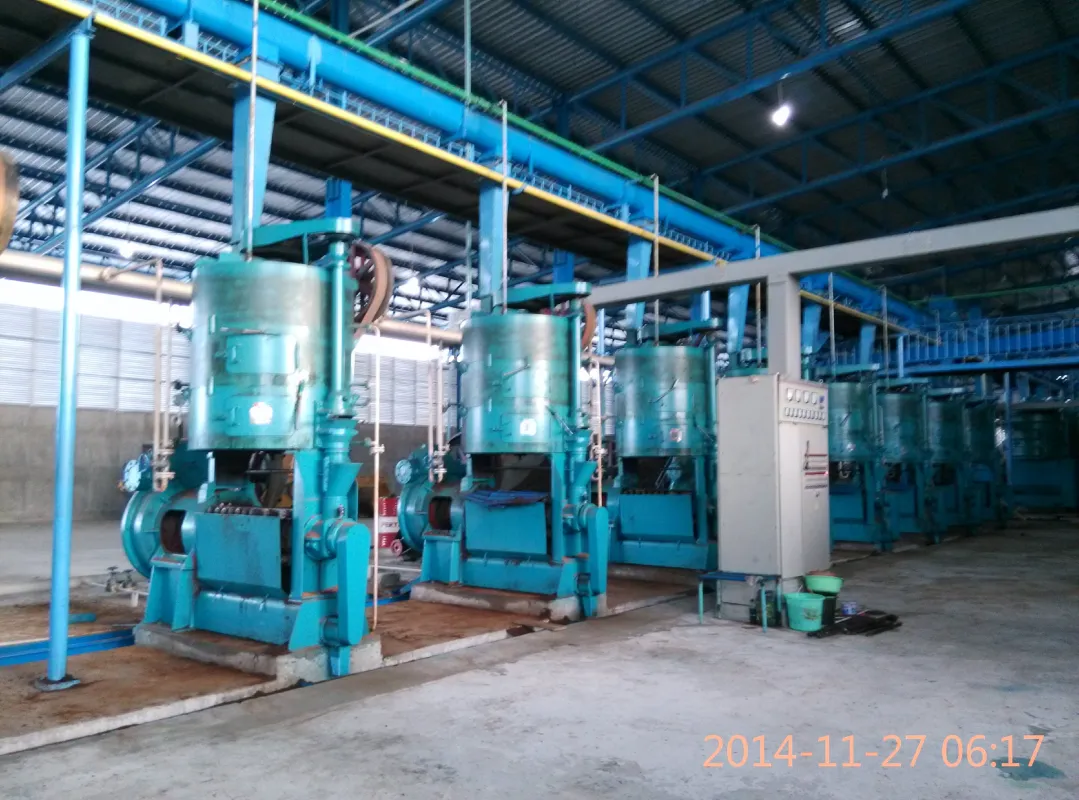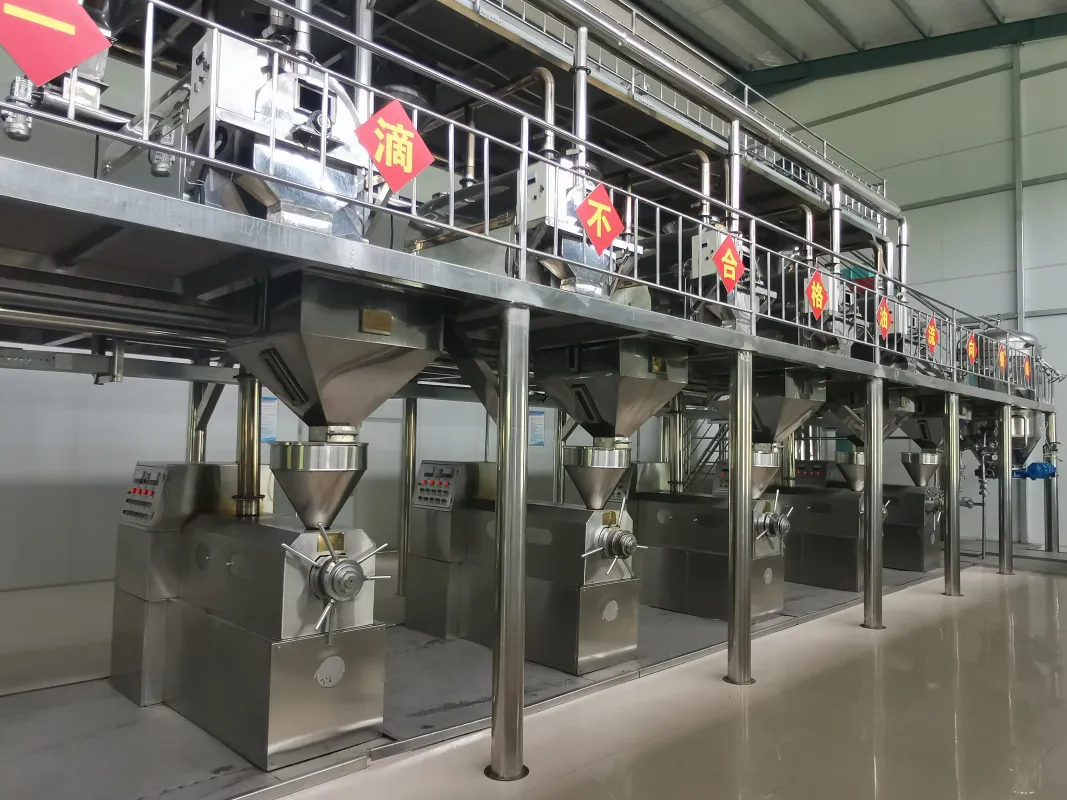
In today's competitive edible oil industry, maximizing sunflower oil yield while minimizing energy consumption isn't just a goal—it's a necessity for sustainable profitability. Recent industry data shows that even a 1% increase in extraction efficiency can translate to approximately $40,000 in additional annual revenue for a mid-sized processing facility. This comprehensive guide explores proven techniques to optimize your sunflower oil extraction process from seed preparation through refining, supported by real-world applications and technical insights.
According to the International Association of Edible Oil Processors, average sunflower oil extraction yields range from 38-42% in conventional plants, while best-in-class facilities consistently achieve 44-46%. Concurrently, energy consumption varies by up to 28% between standard and optimized processes, representing significant untapped savings potential.
Many processors overlook the critical impact of seed preparation on overall yield. Proper cleaning and conditioning set the stage for efficient oil release during pressing. Research indicates that effective de-stoning and de-hulling can improve subsequent oil extraction by 3-5% while reducing equipment wear.
Optimal moisture content is equally crucial. Sunflower seeds should be conditioned to 6-8% moisture before processing—too dry and the seed becomes brittle, leading to excessive fines; too moist and oil flow is restricted. Temperature control during conditioning also plays a vital role, with ideal pre-treatment temperatures between 45-55°C for maximum oil viscosity reduction.
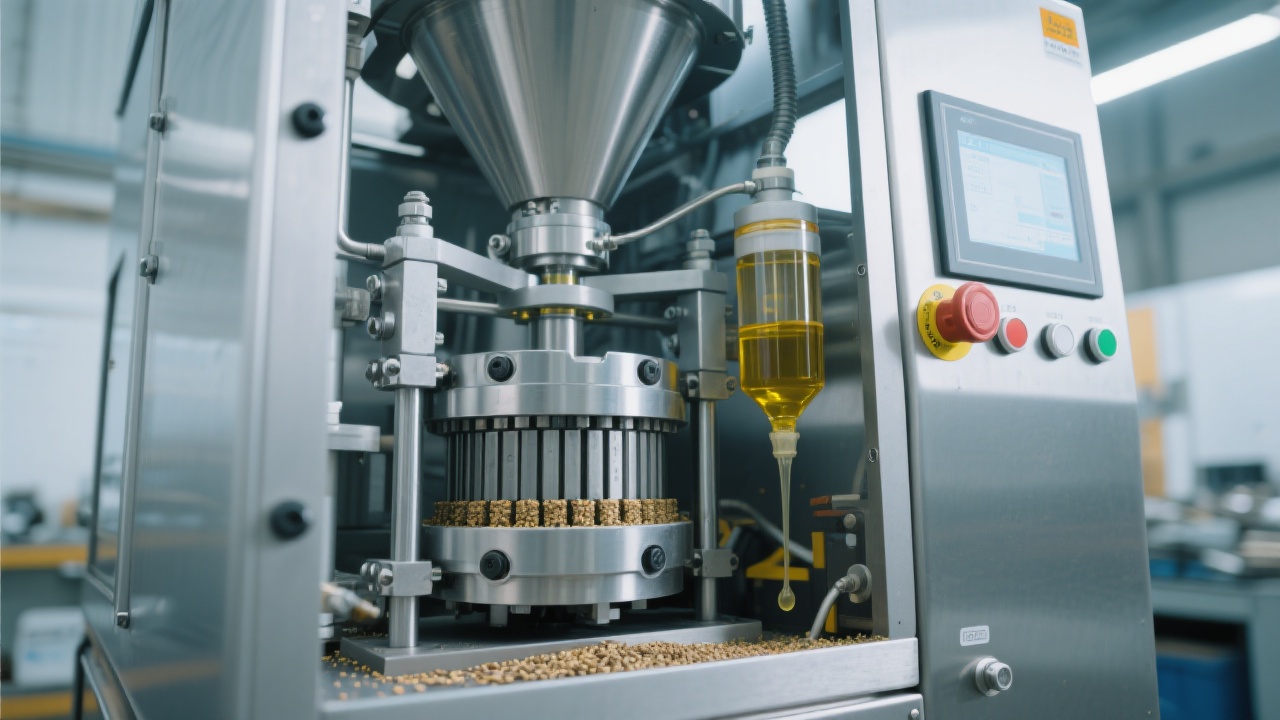
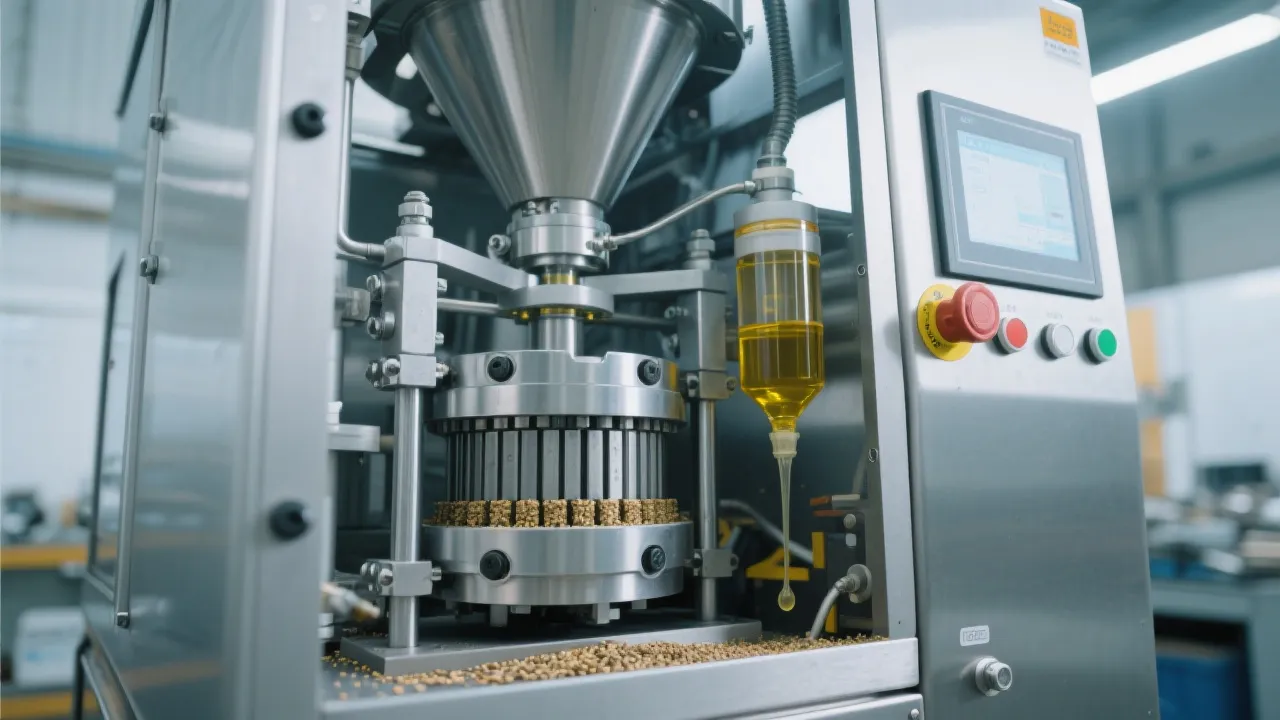
The transition from seed to paste represents a critical control point. Studies show that particle size distribution directly impacts oil yield—too coarse and oil remains trapped in cellular structures; too fine and press cake permeability decreases, impeding oil flow.
Recent innovations in roller mill technology have demonstrated 2-3% yield improvements over traditional hammer mills by producing more uniform particle size distribution and reducing heat generation during grinding. This not only improves oil release but also reduces energy consumption by approximately 15% compared to conventional methods.
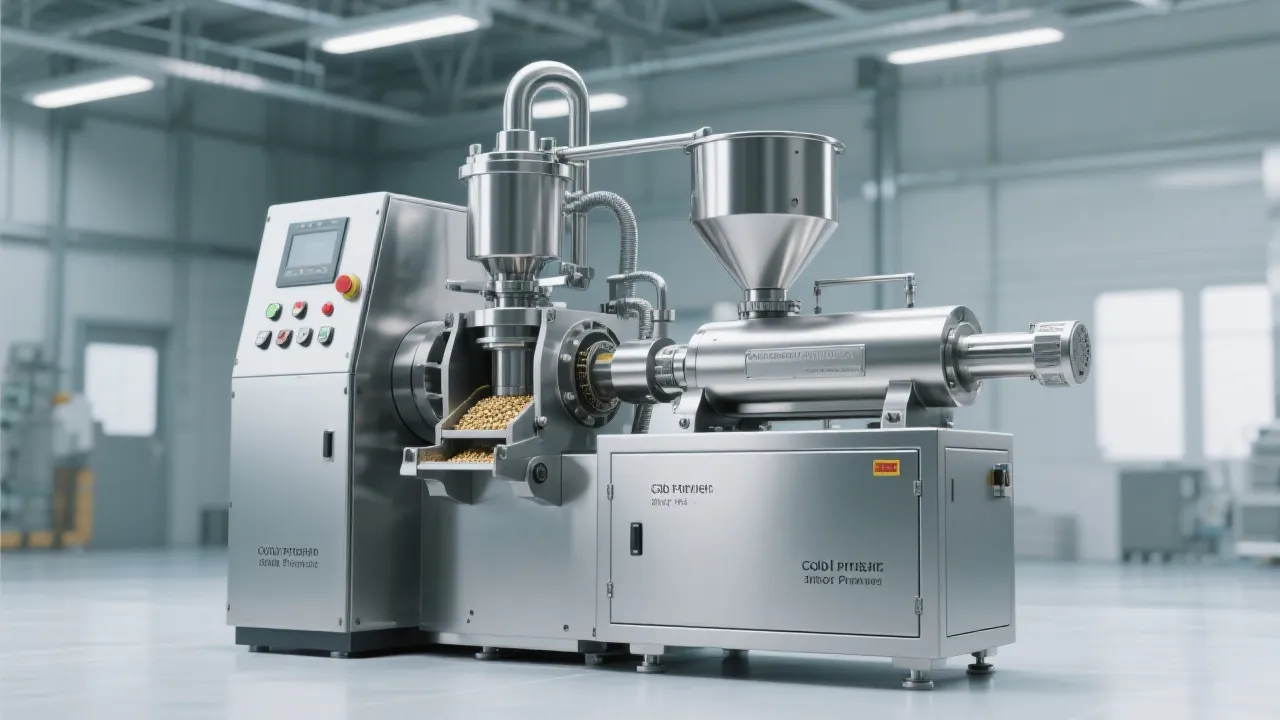
The pressing stage represents the heart of the extraction process, where careful parameter control can unlock significant yield improvements. Modern screw presses offer precise control over key variables that directly impact oil recovery.
Pressure profile optimization is particularly critical. Implementing a progressive pressure system—starting at 8-10 MPa and gradually increasing to 25-30 MPa—has been shown to improve yields by 4-6% compared to constant pressure operation. This approach allows for gradual oil release while minimizing cake compaction.
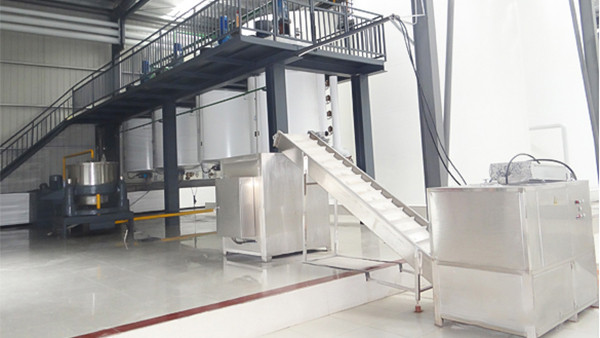
Heat management during pressing also plays a vital role. Maintaining press barrel temperatures between 75-85°C optimizes oil viscosity for maximum flow, while preventing overheating that can degrade oil quality. Energy recovery systems that capture waste heat from pressing can reduce overall facility energy consumption by 8-12%.
Even after mechanical pressing, significant oil remains in the press cake—typically 5-8%. Implementing an efficient solvent extraction system can recover 90-95% of this residual oil, boosting overall yield by 4-5% for the entire process.
In the refining process, optimized degumming techniques offer both yield and quality benefits. Using a combination of water degumming followed by acid degumming has been shown to reduce phospholipid content to <50 ppm while minimizing neutral oil losses to <0.5%. This represents a 30% improvement over traditional water-only degumming methods.
Download our exclusive Sunflower Oil Process Optimization Manual featuring:
Beyond process parameters, integrated energy management can deliver substantial cost savings. A comprehensive audit of a mid-sized sunflower oil facility identified opportunities for a 22% reduction in energy consumption through:
.jpg)
A European sunflower processor implemented the optimization strategies outlined above, resulting in impressive performance improvements within 90 days:
+4.2%
Overall Yield Improvement
-18.7%
Energy Consumption Reduction
12 Months
ROI Achievement Period
The journey to process optimization is ongoing. Even facilities with established processes can benefit from regular performance audits and technology updates. What specific challenges is your facility facing with sunflower oil extraction? Share your questions in the comments below, and our process engineers will provide tailored recommendations.
Our team of oil processing specialists offers complimentary initial process evaluations. Schedule your assessment today to identify your facility's unique optimization opportunities.
 automated sesame oil production
fully enclosed production system
energy-saving grain and oil equipment
sesame oil production automation
grain and oil machinery customization
modular rapeseed oil production line
edible oil manufacturing
rapid commissioning
flexible capacity configuration
intelligent PLC control
automated sesame oil production line
PLC parameter tuning
energy-saving control system
industrial automation maintenance
process optimization for oil extraction
Sesame oil production line automatic control
PLC parameter optimization
Fault troubleshooting handbook
Automation maintenance guide
Grain and oil processing automation
automated sesame oil production
fully enclosed production system
energy-efficient grain and oil machinery
automated sesame oil filling technology
eco-friendly sesame oil processing
automated sesame oil production
fully enclosed production system
energy-saving grain and oil equipment
sesame oil production automation
grain and oil machinery customization
modular rapeseed oil production line
edible oil manufacturing
rapid commissioning
flexible capacity configuration
intelligent PLC control
automated sesame oil production line
PLC parameter tuning
energy-saving control system
industrial automation maintenance
process optimization for oil extraction
Sesame oil production line automatic control
PLC parameter optimization
Fault troubleshooting handbook
Automation maintenance guide
Grain and oil processing automation
automated sesame oil production
fully enclosed production system
energy-efficient grain and oil machinery
automated sesame oil filling technology
eco-friendly sesame oil processing







.png?x-oss-process=image/resize,h_100,m_lfit/format,webp)
.png?x-oss-process=image/resize,h_100,m_lfit/format,webp)
.png?x-oss-process=image/resize,h_100,m_lfit/format,webp)