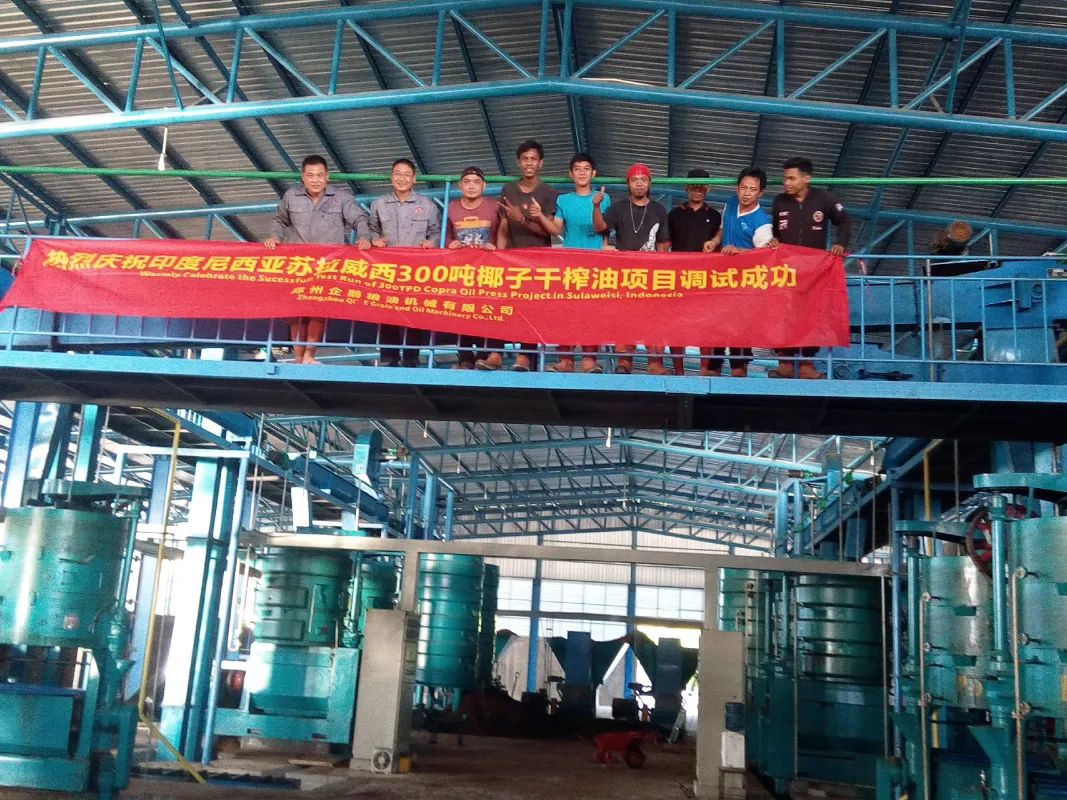
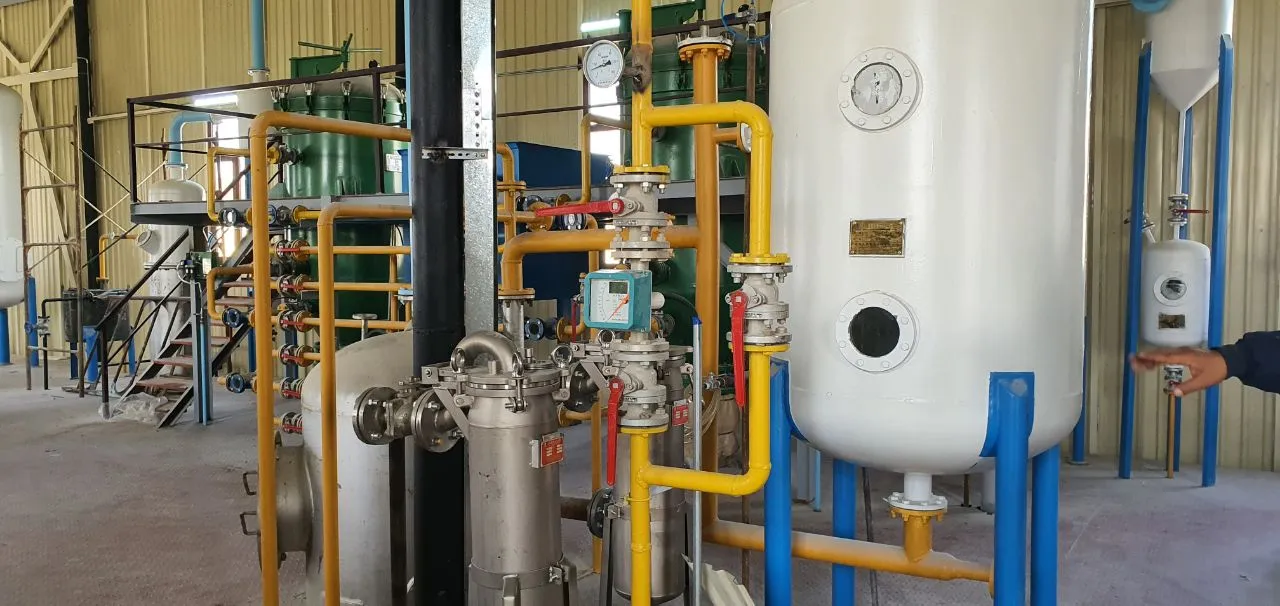
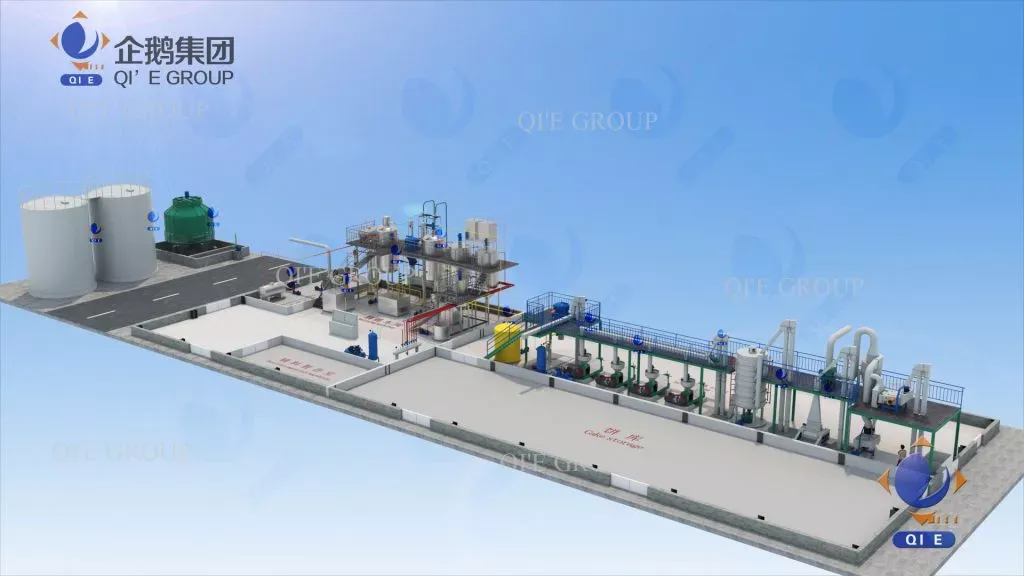
In the competitive edible oil industry, sunflower oil processors face the constant challenge of balancing yield and quality. A well-optimized extraction process can increase oil yield by 5-8% while improving purity grades, directly impacting your bottom line and market competitiveness. This comprehensive guide walks you through the complete sunflower oil pressing process, highlighting critical parameters and advanced techniques that leading manufacturers use to achieve superior results.
Modern sunflower oil processing involves a sophisticated sequence of operations that transform raw seeds into high-quality edible oil. Each stage requires precise control and optimization to maximize efficiency and product quality. Let's examine each critical phase in detail.
Before processing, sunflower seeds must undergo thorough cleaning to remove impurities that could affect oil quality and damage equipment. Professional processors typically achieve a purity level of 99.5% or higher at this stage through:
Proper cleaning reduces wear on processing equipment by up to 30% and prevents contamination that could compromise final oil quality.
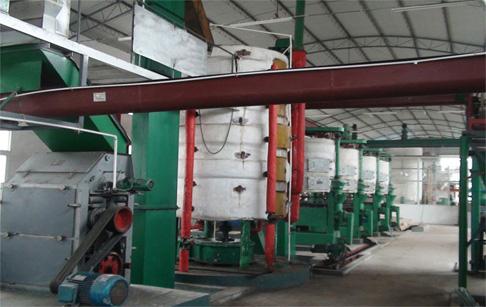
The grinding stage converts cleaned seeds into a paste (mash) with specific characteristics that significantly impact oil yield. Research shows that particle size uniformity directly affects oil extraction efficiency.
Key Grinding Parameters:
Modern hammer mills with adjustable screens allow processors to achieve consistent particle size, increasing oil yield by 3-5% compared to traditional grinding methods. The resulting paste should have a uniform, plastic-like consistency that facilitates efficient pressing.
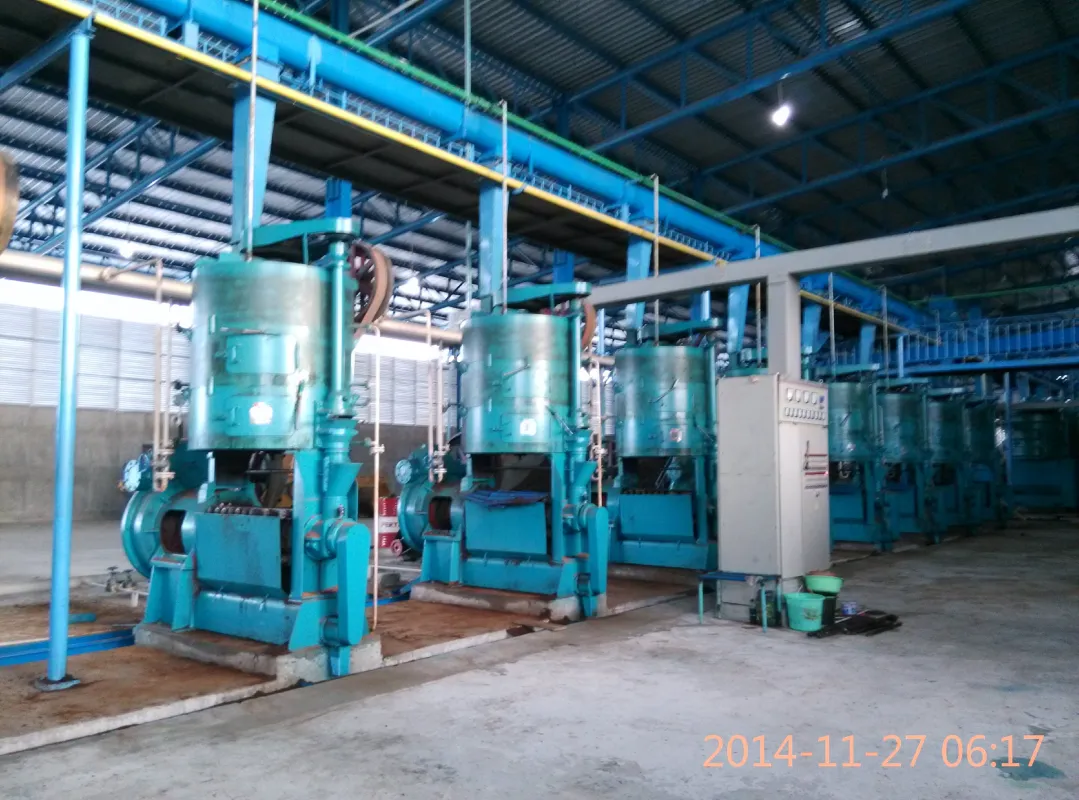
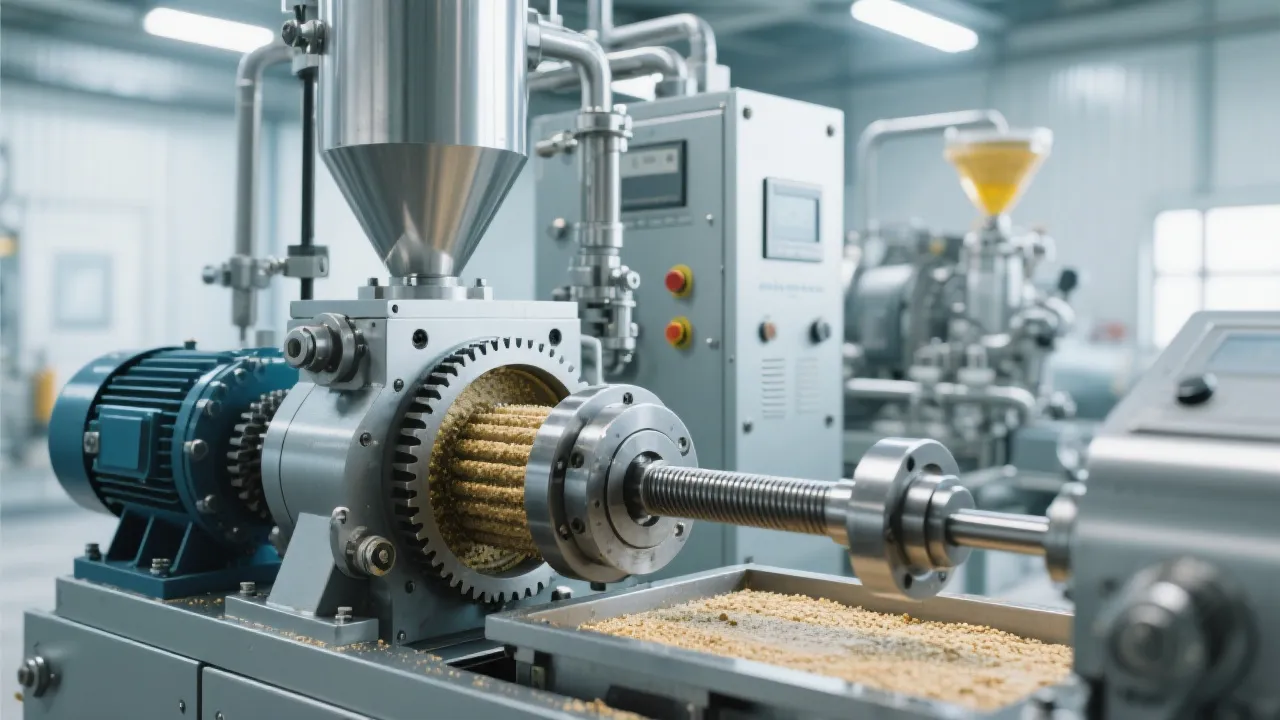
The pressing stage separates oil from the solid material through mechanical pressure. Contemporary screw presses operate at pressures between 30-50 MPa, achieving extraction efficiencies of 85-92% depending on seed quality and preparation.
Optimizing pressing parameters is crucial for maximizing yield while maintaining oil quality:
| Parameter | Optimal Range | Impact |
|---|---|---|
| Pressing Temperature | 60-80°C | Higher temps increase yield but may affect oil quality |
| Screw Rotation Speed | 15-25 rpm | Balances throughput and extraction efficiency |
| Press Cake Thickness | 2-4 mm | Thinner cakes improve oil extraction |

Crude sunflower oil contains impurities that affect taste, stability, and appearance. The refining process removes these contaminants, producing a clear, stable oil suitable for consumer markets. A well-executed refining process typically involves five key steps:
Modern continuous refining systems can process up to 500 tons per day with minimal oil loss (typically less than 2%), while producing oil that meets the strictest international quality standards.
Automated sunflower oil production lines have revolutionized the industry by providing precise control over every process parameter. Companies that have implemented full automation report:
15-20%
Reduction in energy consumption
8-12%
Increase in overall yield
30%
Reduction in labor costs
Automated systems continuously monitor critical process variables like temperature, pressure, and flow rates, making real-time adjustments to maintain optimal conditions. This level of control ensures consistent product quality while maximizing efficiency.
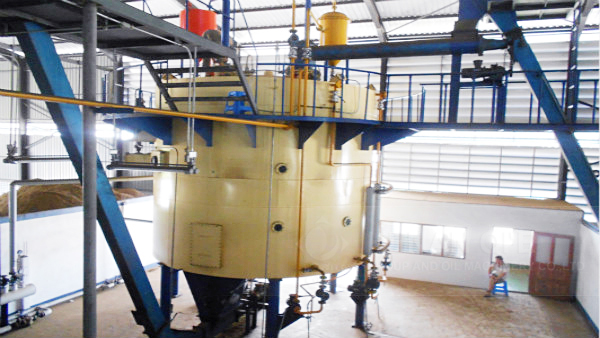
Even with optimized processes, processors may encounter issues that affect yield or quality. Here are solutions to common problems:
Low Oil Yield:
Poor Oil Clarity:
High Free Fatty Acids:
Our team of process engineers has helped over 120 oil mills worldwide increase yield by an average of 7.3% while improving product quality.
Download Our Comprehensive Process Optimization GuideGet expert recommendations tailored to your specific production capacity and quality goals
This article is based on industry best practices and technical data from leading oil processing equipment manufacturers. Individual results may vary based on specific seed quality, equipment configuration, and operating conditions. Always consult with qualified process engineers before making significant changes to production parameters.
 automated sesame oil production line
oil processing automation
closed system food safety
intelligent oil refining
ISO9001 compliant food manufacturing
automated sesame oil production line
closed-loop oil processing system
energy-efficient oil extraction equipment
sesame oil production technology challenges
intelligent control in food processing
rice bran oil refining automation
energy-efficient refining equipment
edible oil quality safety
critical control point management
online detection technology
PLC temperature control in cold pressing
cold pressing oil extraction optimization
edible oil production automation
PID tuning for food processing
industrial temperature regulation systems
Rice bran oil refining equipment international certification
Export-oriented enterprise equipment selection
FDA food equipment sealing standards
Food safety management equipment specifications
Southeast Asian edible oil equipment cases
automated sesame oil production line
oil processing automation
closed system food safety
intelligent oil refining
ISO9001 compliant food manufacturing
automated sesame oil production line
closed-loop oil processing system
energy-efficient oil extraction equipment
sesame oil production technology challenges
intelligent control in food processing
rice bran oil refining automation
energy-efficient refining equipment
edible oil quality safety
critical control point management
online detection technology
PLC temperature control in cold pressing
cold pressing oil extraction optimization
edible oil production automation
PID tuning for food processing
industrial temperature regulation systems
Rice bran oil refining equipment international certification
Export-oriented enterprise equipment selection
FDA food equipment sealing standards
Food safety management equipment specifications
Southeast Asian edible oil equipment cases


.png?x-oss-process=image/resize,h_100,m_lfit/format,webp)
.png?x-oss-process=image/resize,h_100,m_lfit/format,webp)
.png?x-oss-process=image/resize,h_100,m_lfit/format,webp)




.jpg?x-oss-process=image/resize,h_800,m_lfit/format,webp)