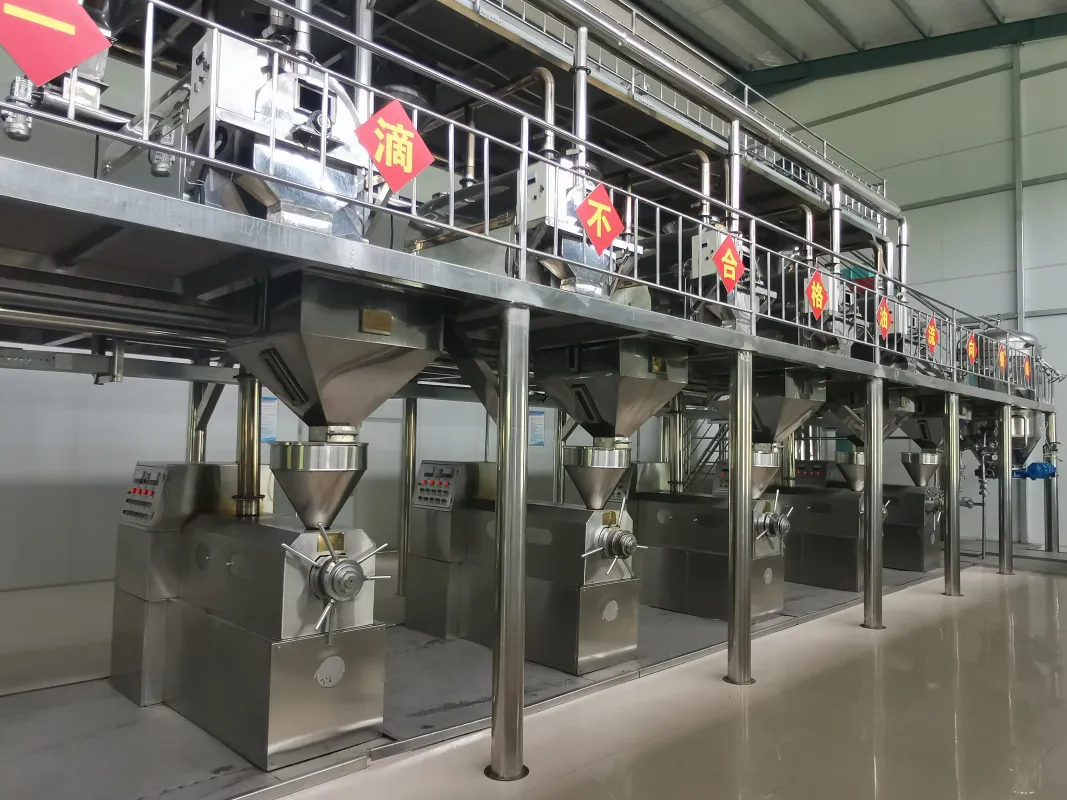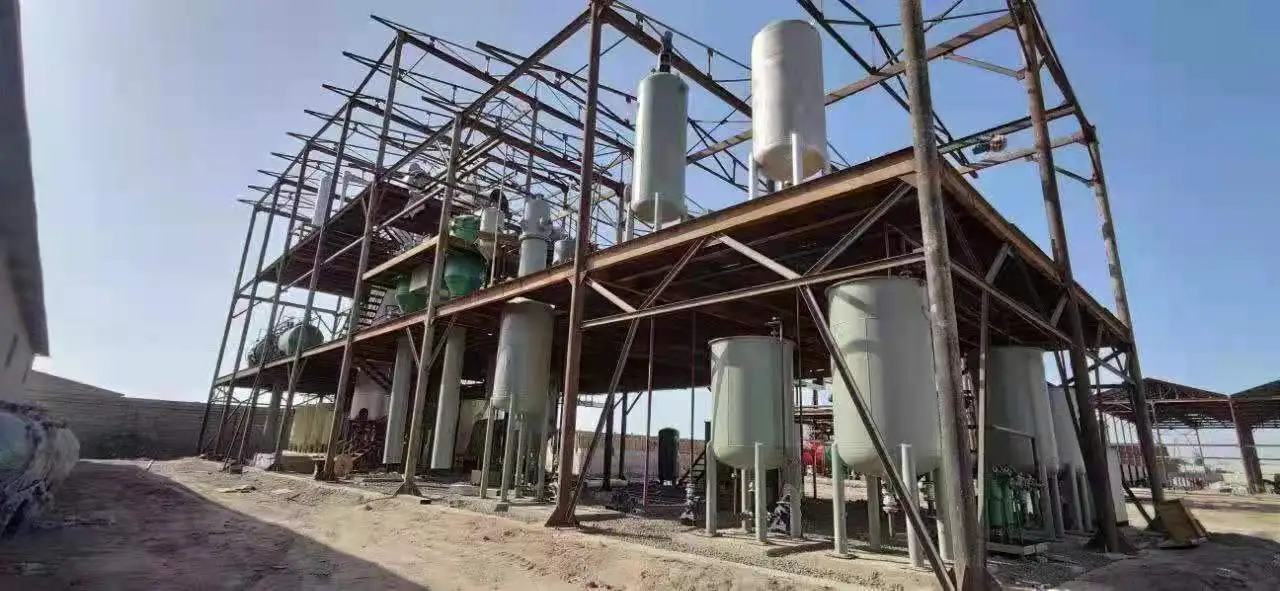
In the competitive edible oil processing industry, every percentage point in extraction efficiency and every kilowatt-hour saved translates directly to profitability. Sunflower oil production, in particular, faces unique challenges in balancing yield, quality, and energy consumption. This comprehensive guide explores proven techniques to optimize your sunflower oil extraction process while reducing operational costs—backed by real-world data and engineering insights.
Many processors underestimate the impact of proper seed preparation on overall yield. Research conducted by the International Association of Edible Oil Processors shows that optimizing grinding particle size alone can increase oil yield by 3-5% while reducing energy consumption in subsequent pressing stages.
"We consistently see 4-6% higher yields when processors maintain grinding particle size between 0.8-1.2mm. This sweet spot maximizes surface area without creating fine particles that clog press screens," explains Maria Gonzalez, Senior Process Engineer with 15 years of industry experience.
Achieving this optimal particle size requires precise control of hammermill settings and regular screen maintenance. Our field data indicates that mills operating with worn screens typically experience a 2.3% yield reduction and 8% higher energy usage due to uneven particle size distribution.

The pressing stage represents both the greatest opportunity for yield optimization and the highest energy consumption in the process. Modern screw presses offer precise control over pressure profiles and temperature, but many operators still rely on outdated "rule of thumb" settings rather than data-driven parameters.
| Pressing Parameter | Traditional Setting | Optimized Setting | Resulting Benefit |
|---|---|---|---|
| Main Chamber Pressure | 18-22 MPa | 24-26 MPa (staged) | +3.2% yield |
| Processing Temperature | 110-120°C | 95-105°C | -12% energy use, better quality |
| Screw Rotation Speed | 45-55 RPM | 38-42 RPM | +2.1% yield, less wear |
One Eastern European processor recently implemented these optimized pressing parameters and documented impressive results: 5.3% higher oil yield, 15% reduction in energy consumption, and 22% fewer press blockages within the first three months of operation.
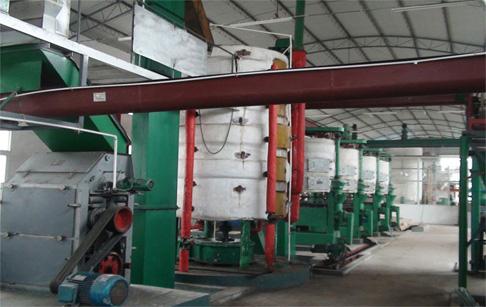
While extraction gets most of the attention, the refining process often represents a significant, overlooked opportunity for efficiency gains. Modern refining lines incorporate advanced脱胶 (degumming) and脱臭 technologies that reduce both chemical usage and energy consumption.
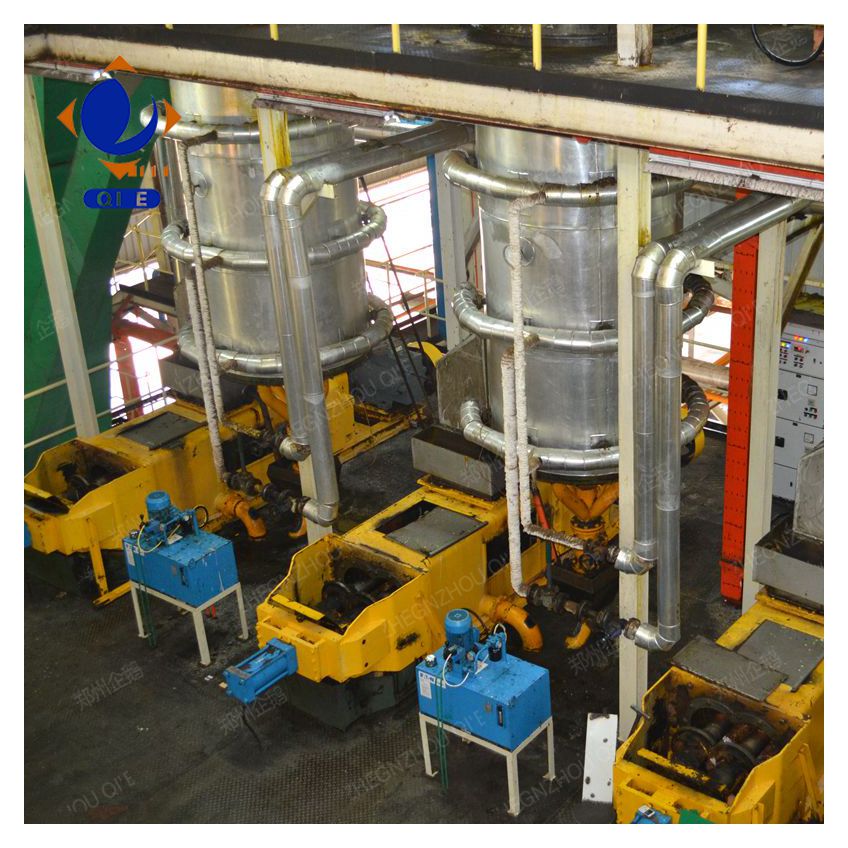
Enzymatic degumming reduces water usage by 40% compared to traditional water degumming methods while improving phospholipid removal efficiency by 18%.
Installing heat exchangers between deodorization and pre-treatment stages can recover up to 35% of thermal energy that would otherwise be wasted.
Modern continuous bleaching systems reduce clay usage by 25-30% while providing more consistent color control compared to batch processes.
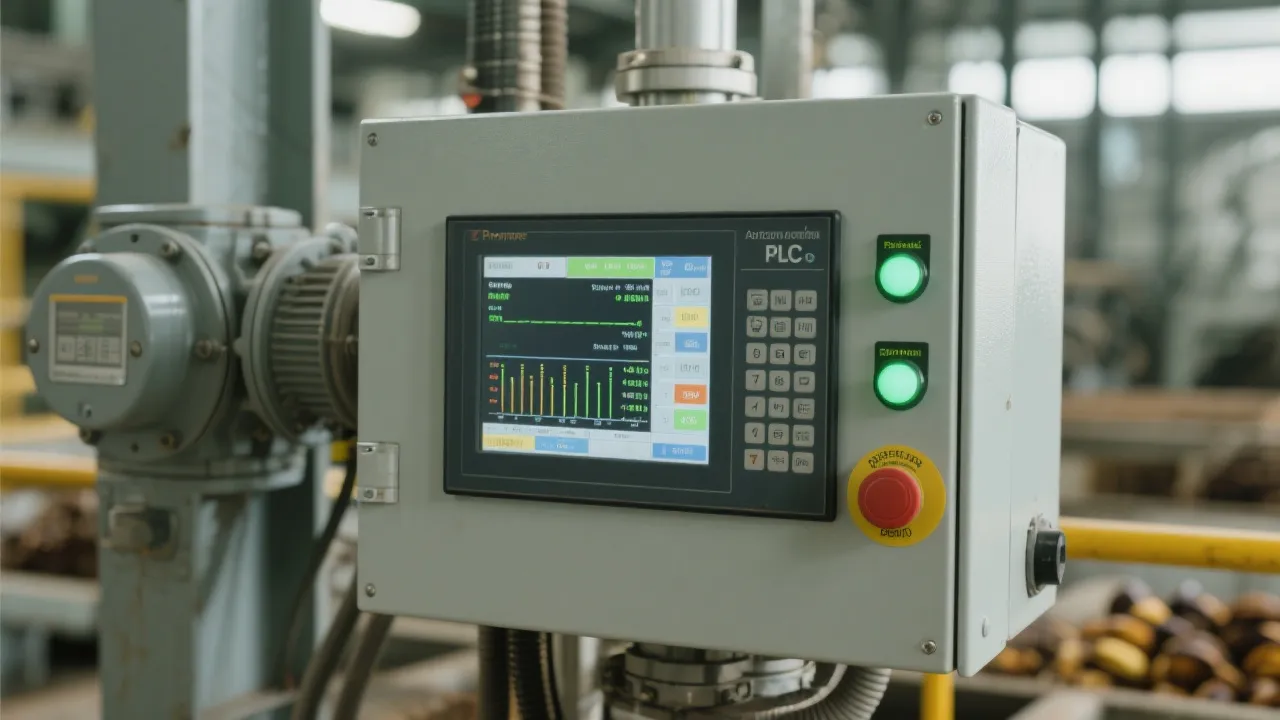
Manual process control remains one of the biggest obstacles to consistent oil production. A recent industry survey found that facilities with advanced process automation reported:
Every sunflower oil processing facility faces unique challenges based on raw material quality, equipment configuration, and market requirements. What specific issues are you currently facing in your production line?
- Are you struggling with inconsistent yields?
- Is energy consumption eating into your profit margins?
- Are quality control issues causing production delays?
Share your experience in the comments below—our process engineers regularly review and respond to industry challenges.
Download our comprehensive Sunflower Oil Process Optimization Manual featuring detailed parameter tables, troubleshooting guides, and case studies from facilities that have achieved double-digit efficiency improvements.
Download Free Process ManualRemember, small adjustments in your process can lead to significant improvements over time. By implementing even one or two of the optimization strategies outlined here, you can start seeing measurable results within weeks. The key is to approach process improvement systematically, measure everything, and be willing to challenge traditional operating assumptions.
 Sesame oil production line automatic control
PLC parameter tuning
PID control optimization
Grain and oil machinery automation
Production efficiency improvement
canola oil extraction methods
cold press vs solvent extraction
edible oil processing technology
B2B oil manufacturing
nutrient retention in oils
canola oil extraction methods
cold pressing vs solvent extraction
edible oil processing technology
high-quality canola oil production
oil refining optimization
automated sesame oil production line
fully enclosed oil processing system
energy-efficient oil extraction equipment
sesame oil automation technology
smart food processing solutions
sesame oil production automation
PLC parameter tuning
industrial control system troubleshooting
sensor calibration in food processing
automated yield optimization
Sesame oil production line automatic control
PLC parameter tuning
PID control optimization
Grain and oil machinery automation
Production efficiency improvement
canola oil extraction methods
cold press vs solvent extraction
edible oil processing technology
B2B oil manufacturing
nutrient retention in oils
canola oil extraction methods
cold pressing vs solvent extraction
edible oil processing technology
high-quality canola oil production
oil refining optimization
automated sesame oil production line
fully enclosed oil processing system
energy-efficient oil extraction equipment
sesame oil automation technology
smart food processing solutions
sesame oil production automation
PLC parameter tuning
industrial control system troubleshooting
sensor calibration in food processing
automated yield optimization






.png?x-oss-process=image/resize,h_100,m_lfit/format,webp)
.png?x-oss-process=image/resize,h_100,m_lfit/format,webp)
.png?x-oss-process=image/resize,h_100,m_lfit/format,webp)