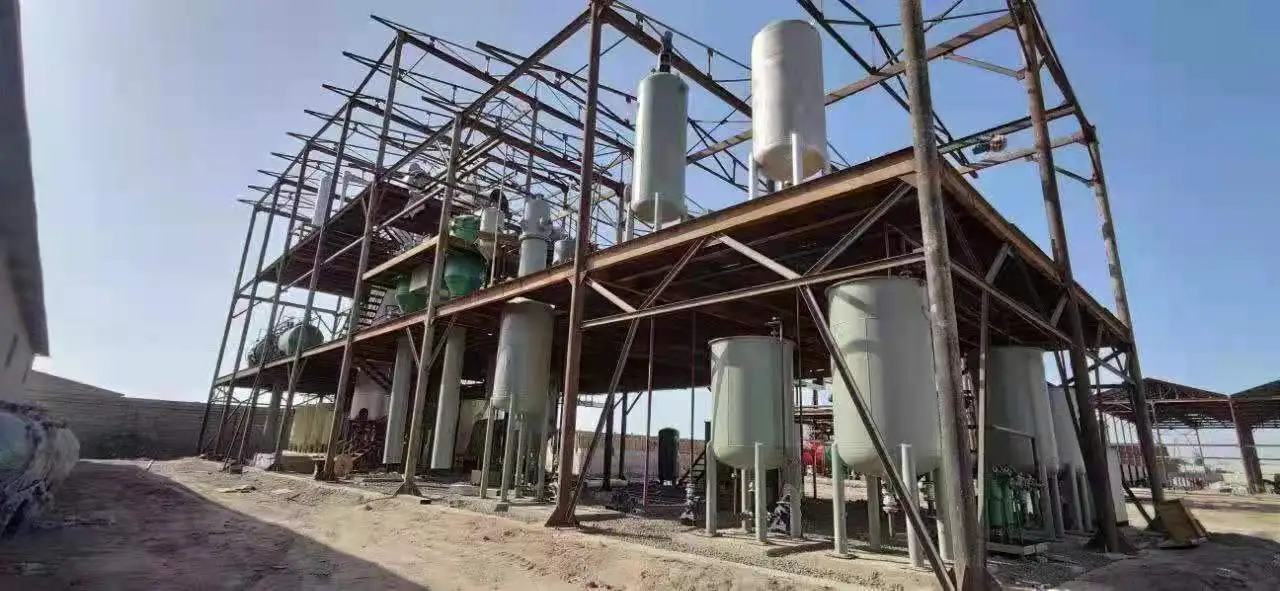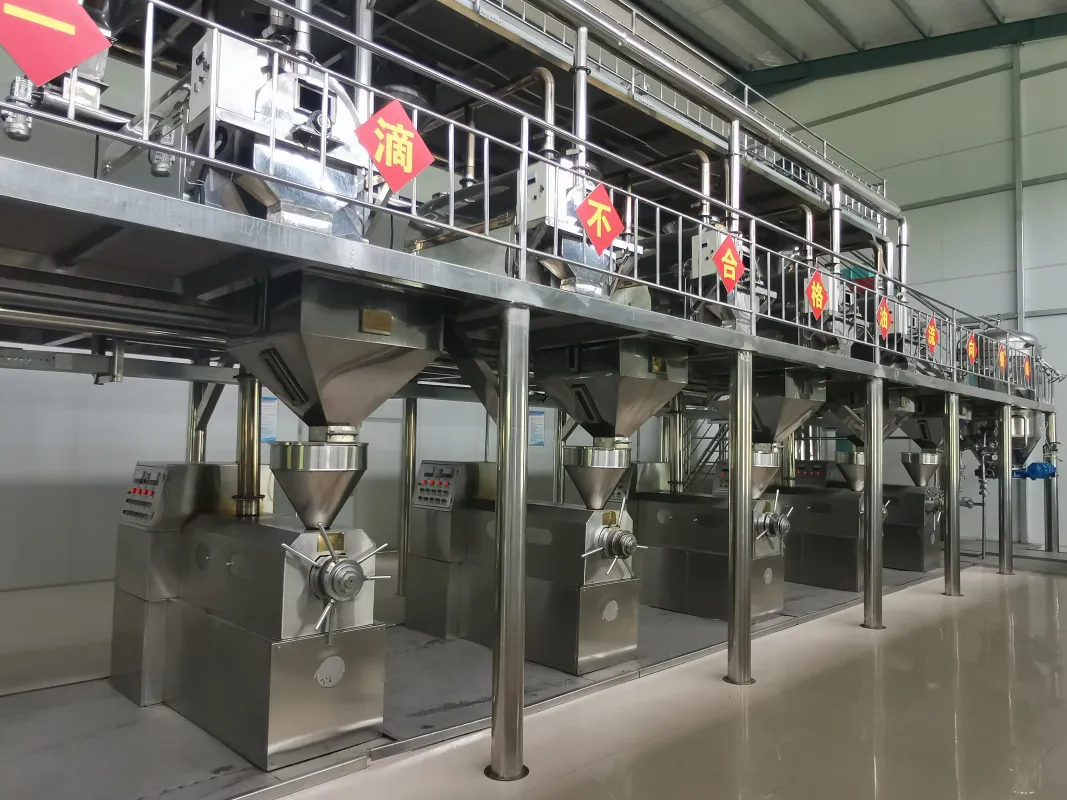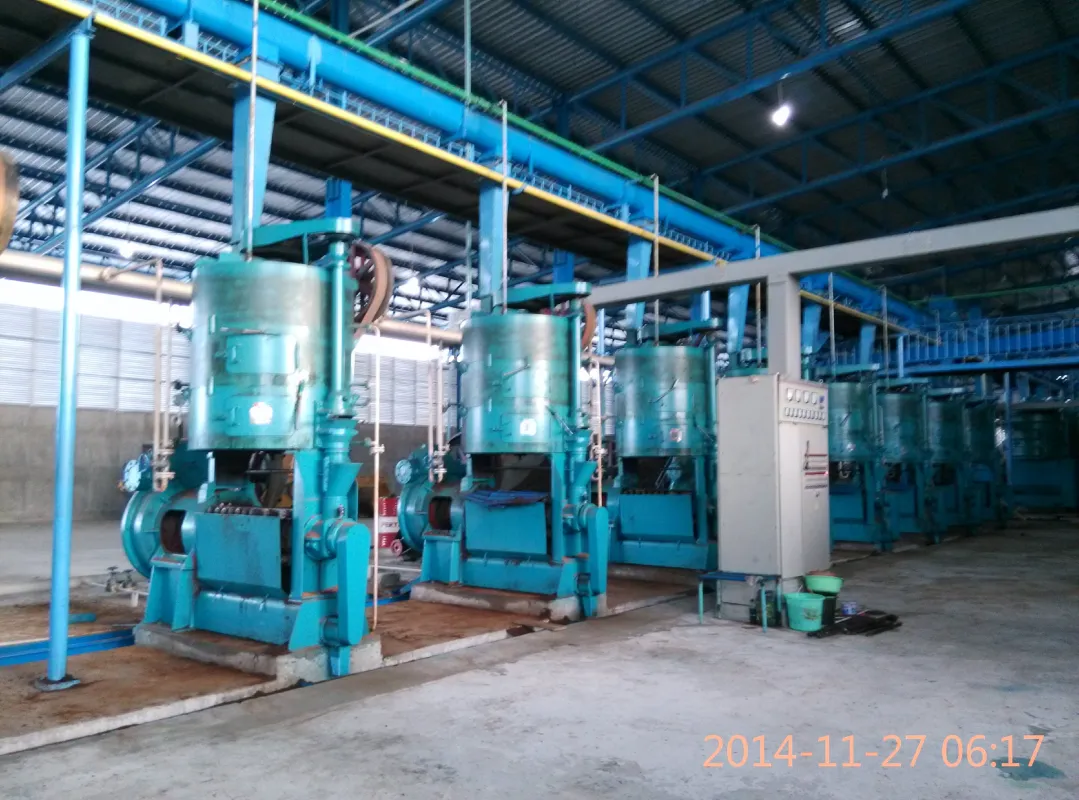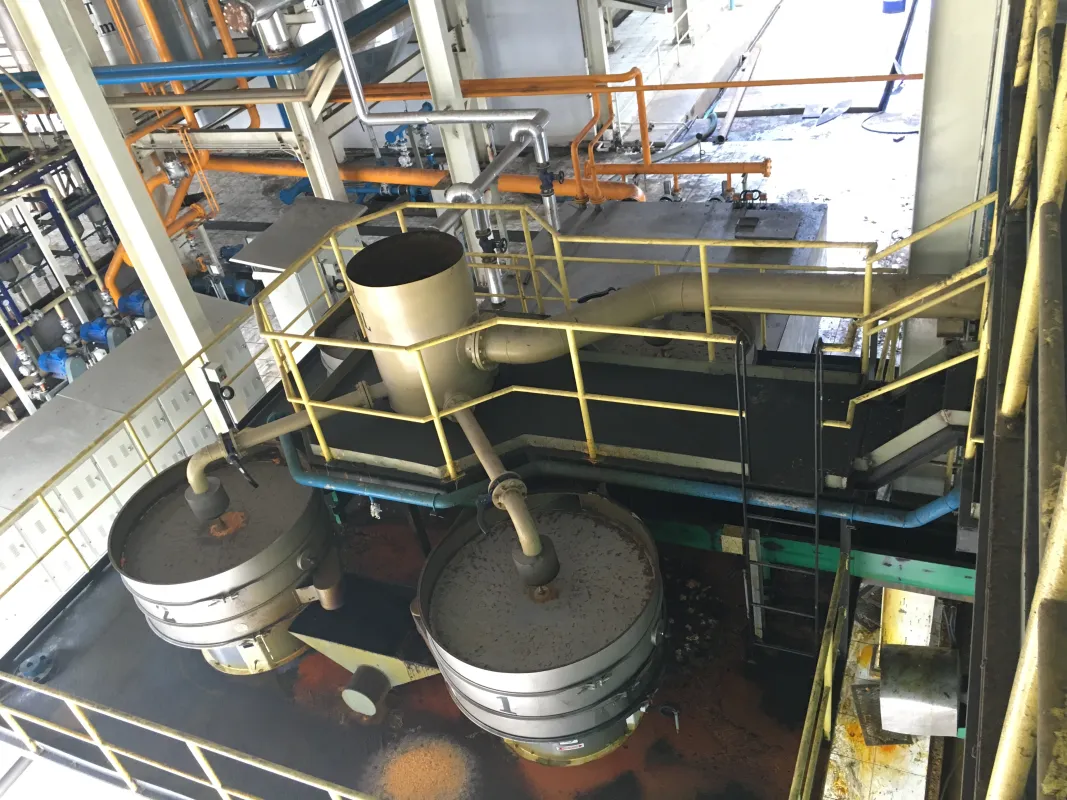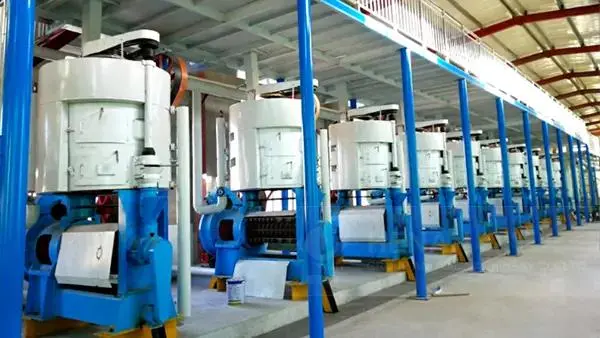
In an era where operational efficiency directly translates to market competitiveness, the oilseed processing industry faces increasing pressure to optimize production while maintaining product quality. Sunflower seed processing, in particular, has long struggled with bottlenecks in the cleaning and dehulling stages—until now.
Traditional sunflower seed processing lines typically operate with an average impurity removal rate of 85-90%, leaving significant room for improvement. Modern automated systems have redefined industry standards, achieving impurity reduction rates exceeding 99.5% while simultaneously increasing throughput by 30-40% compared to semi-automatic alternatives.
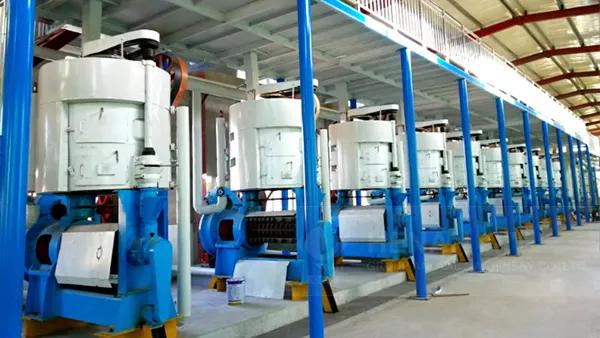
The sophisticated integration of optical sorting technology and precision mechanical separation has revolutionized seed processing. These systems employ advanced sensors capable of identifying and removing even minute foreign particles—down to 0.1mm in size—while distinguishing between viable seeds and hull material with remarkable accuracy.
"Our transition to automated cleaning and dehulling reduced manual labor requirements by 67% while improving our oil extraction yield by 4.2%. The consistency in raw material quality has eliminated production variability issues we struggled with for years."
— Technical Director, Eastern European Vegetable Oil Producer
When evaluating processing technologies, three critical performance indicators stand out:
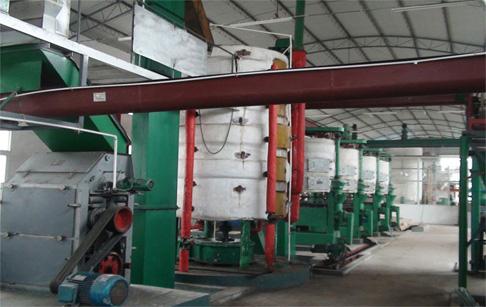
Modern processing lines incorporate AI-powered control systems that continuously monitor and adjust operational parameters in real-time. These smart systems automatically adapt to variations in seed quality, moisture content, and throughput demands, maintaining optimal performance across changing conditions.
Key control features include:
Machine learning models that improve accuracy over time, adapting to different seed varieties and quality grades
Continuous analysis of output quality with automatic adjustments to maintain specifications
Early detection of potential equipment issues, reducing unplanned downtime by up to 40%
A mid-sized oil processing facility in Ukraine recently implemented a complete automated cleaning and dehulling line, resulting in impressive operational improvements:
37%
Increase in throughput
58%
Reduction in labor costs
3.8%
Improvement in oil yield
12 Months
Investment payback period
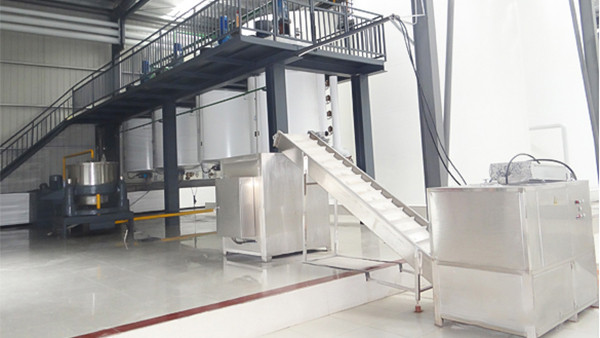
Implementing new processing technology represents a significant investment that extends beyond the initial equipment purchase. Forward-thinking providers understand that long-term success requires comprehensive support throughout the entire lifecycle of the equipment.
From initial site assessment and custom system design to installation, operator training, and ongoing technical support, the right partner ensures seamless integration and maximum return on investment. This holistic approach minimizes disruption during implementation and ensures that your team has the knowledge and resources to optimize system performance from day one.
Discover how integrated automation can elevate your production efficiency, product quality, and bottom-line results.
Schedule a Personalized Technology ConsultationAs the global demand for high-quality vegetable oils continues to rise, processors face increasing pressure to optimize every stage of production. The cleaning and dehulling process, once considered a necessary bottleneck, has emerged as a critical opportunity for efficiency gains and quality improvement through automation. By implementing these advanced systems, forward-thinking operations are positioning themselves for sustainable success in an increasingly competitive marketplace.
 PLC automatic control system
edible oil production line
energy consumption reduction
fault troubleshooting
intelligent manufacturing
PLC remote monitoring
Unplanned downtime
Edible oil production line
Automation control system
Equipment fault diagnosis
Rice bran oil refining equipment international certification
Export - oriented enterprise equipment selection
Food safety management equipment specifications
ISO9001 Quality Management System
HACCP Food Safety Management System
Fully automated rice bran oil production line
Energy-saving and environment-friendly oil equipment
Edible oil refining technology
Industrial automated processing system
Export-oriented grain and oil production
Fully automatic sesame oil production line
Automation of grain and oil machinery
Sesame oil production efficiency improvement
Fully enclosed production system
Customized services for grain and oil processing
PLC automatic control system
edible oil production line
energy consumption reduction
fault troubleshooting
intelligent manufacturing
PLC remote monitoring
Unplanned downtime
Edible oil production line
Automation control system
Equipment fault diagnosis
Rice bran oil refining equipment international certification
Export - oriented enterprise equipment selection
Food safety management equipment specifications
ISO9001 Quality Management System
HACCP Food Safety Management System
Fully automated rice bran oil production line
Energy-saving and environment-friendly oil equipment
Edible oil refining technology
Industrial automated processing system
Export-oriented grain and oil production
Fully automatic sesame oil production line
Automation of grain and oil machinery
Sesame oil production efficiency improvement
Fully enclosed production system
Customized services for grain and oil processing


.png?x-oss-process=image/resize,h_100,m_lfit/format,webp)
.png?x-oss-process=image/resize,h_100,m_lfit/format,webp)
.png?x-oss-process=image/resize,h_100,m_lfit/format,webp)